2003 · Bam, Iran
A 6.6 magnitude earthquake struck the city of Bam in southeastern Iran, causing widespread destruction and resulting in the deaths of over 26,000 people.
May 21, 2003
An earthquake measuring 6.8 on the Richter scale struck northern Algeria, causing significant damage and resulting in the deaths of over 2,200 people.
Boumerdès, Algeria | Algerian government
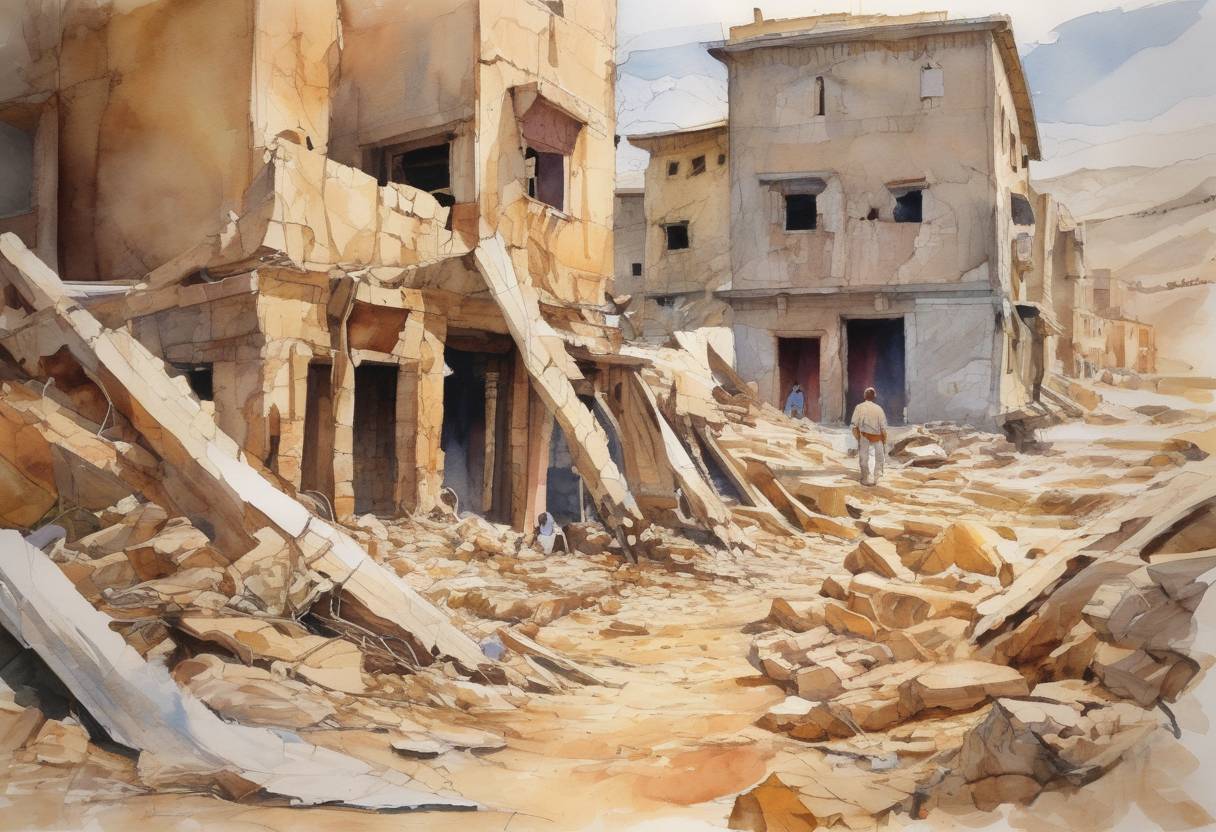
On May 21, 2003, a devastating earthquake struck northern Algeria, specifically affecting the region around Boumerdès and the capital city, Algiers. This seismic event, measuring 6.8 on the Richter scale, resulted in significant destruction and loss of life, marking it as one of the most catastrophic natural disasters in Algeria’s recent history.
Algeria is located in a seismically active region due to the convergence of the African and Eurasian tectonic plates. This tectonic activity has historically made the region susceptible to earthquakes. Prior to the 2003 earthquake, Algeria had experienced several significant seismic events, including the 1980 El Asnam earthquake, which also caused substantial damage and fatalities.
The 2003 Boumerdès earthquake underscored the vulnerability of the region to seismic activity and the importance of disaster preparedness. It served as a catalyst for changes in building regulations and increased awareness of earthquake risks in Algeria and the broader Mediterranean region.
In summary, the 2003 earthquake was a tragic event that had a profound impact on Algeria, prompting both immediate humanitarian responses and long-term changes in how the country addresses seismic risks.
Source: en.wikipedia.org