SpaceX Crew Dragon Demo-2 Mission Completion
2020 · Cape Canaveral, United States
SpaceX successfully completed its Crew Dragon Demo-2 mission, marking the first commercial crewed mission to the International Space Station.
May 30, 2020
SpaceX's Crew Dragon spacecraft, carrying NASA astronauts Doug Hurley and Bob Behnken, launched from Kennedy Space Center, marking the first crewed orbital spaceflight launched from the United States since 2011.
Cape Canaveral, United States | SpaceX
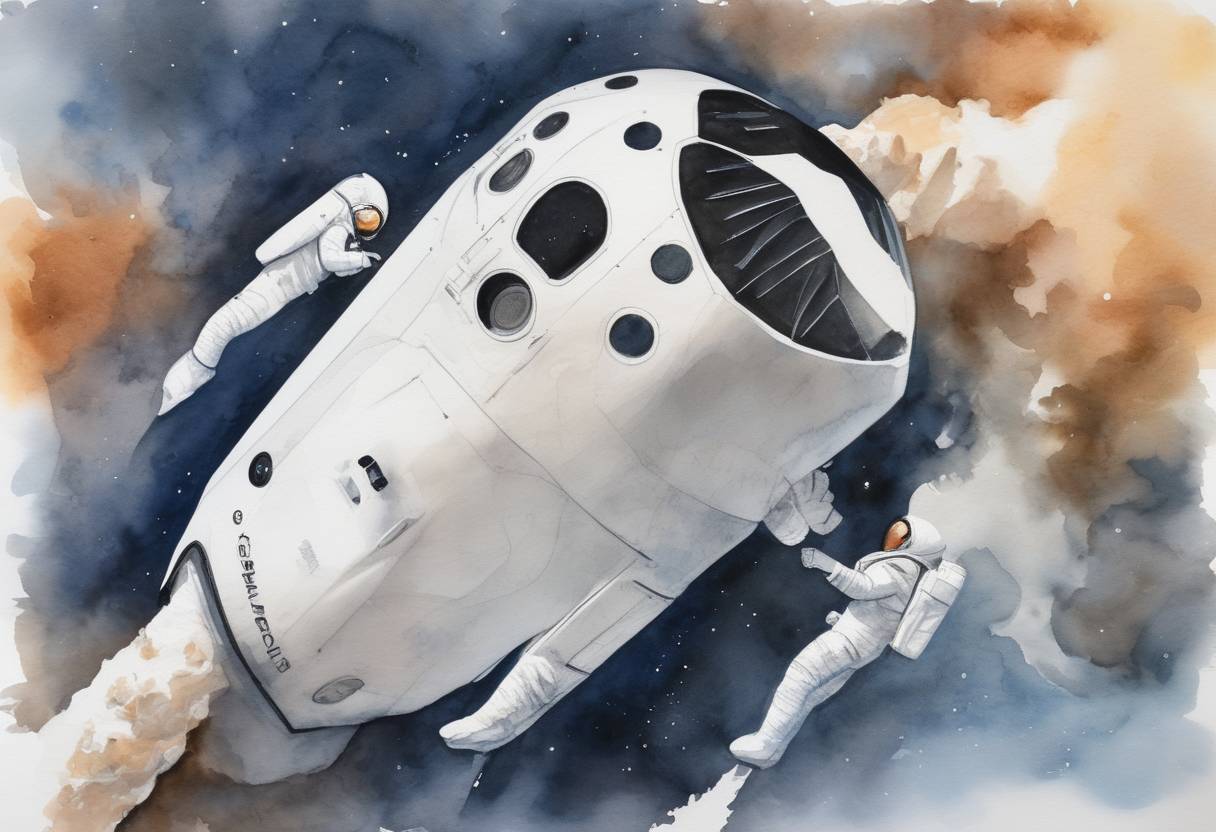
On May 30, 2020, SpaceX’s Crew Dragon spacecraft, carrying NASA astronauts Doug Hurley and Bob Behnken, launched from Kennedy Space Center in Florida. This mission, known as Demo-2, marked a significant milestone in space exploration and the history of American spaceflight.
End of the Space Shuttle Program: The last crewed orbital spaceflight from the United States prior to this mission was the Space Shuttle Atlantis on July 8, 2011. The conclusion of the Space Shuttle program left NASA reliant on Russian Soyuz spacecraft for transporting astronauts to the International Space Station (ISS).
Commercial Crew Program: In response, NASA initiated the Commercial Crew Program to partner with private companies to develop new spacecraft capable of carrying astronauts to the ISS. SpaceX and Boeing were selected to develop these capabilities, with SpaceX’s Crew Dragon being the first to achieve a successful crewed launch.
Date and Time: The launch occurred on May 30, 2020, at 3:22 PM EDT.
Launch Vehicle: The spacecraft was launched atop a Falcon 9 rocket, also developed by SpaceX.
Launch Site: Kennedy Space Center, Launch Complex 39A, a historic site used for Apollo and Space Shuttle missions.
Astronauts:
Test Flight: Demo-2 was a demonstration mission to validate the Crew Dragon’s capabilities, including its launch, docking, and re-entry systems.
Docking with the ISS: The spacecraft successfully docked with the ISS approximately 19 hours after launch, marking a critical test of its autonomous docking capabilities.
Duration: Although initially planned for a short stay, the mission extended to 64 days, allowing the astronauts to conduct scientific research and maintenance aboard the ISS.
Resumption of U.S. Crewed Launches: This mission ended a nearly nine-year gap in U.S. crewed spaceflights, restoring the nation’s ability to launch astronauts from its own soil.
Public-Private Partnership: The success of Demo-2 demonstrated the viability of NASA’s Commercial Crew Program, paving the way for future collaborations between government and private industry in space exploration.
Inspiration and Innovation: The mission captured public imagination and highlighted the potential for innovation in space travel, setting the stage for future missions, including those aimed at the Moon and Mars.
Safe Return: Doug Hurley and Bob Behnken safely returned to Earth on August 2, 2020, splashing down in the Gulf of Mexico, marking the first water landing for U.S. astronauts since 1975.
Operational Missions: Following the success of Demo-2, SpaceX began regular crewed missions to the ISS, starting with Crew-1 in November 2020.
The Crew Dragon launch on May 30, 2020, was a pivotal moment in space exploration, symbolizing a new era of American spaceflight and the potential for future advancements in human space travel.
Source: www.nasa.gov