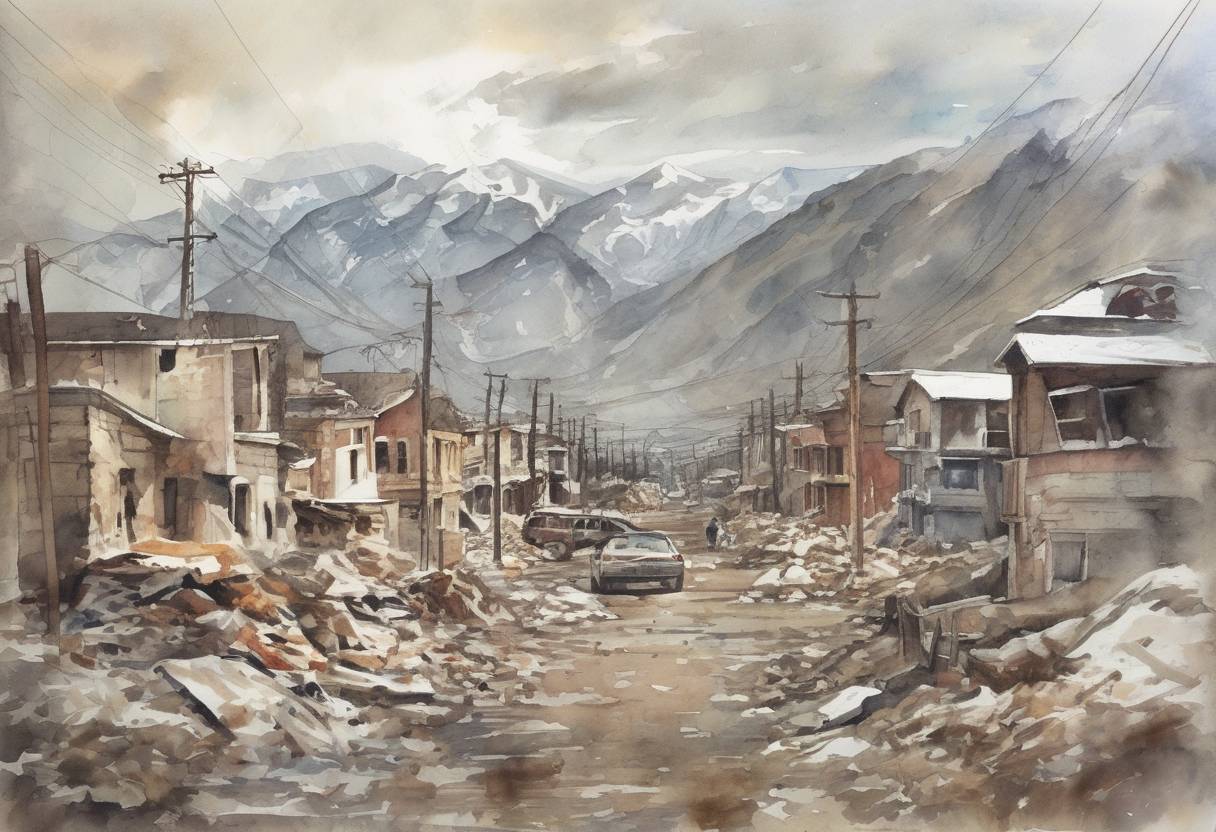
The Spitak Earthquake: December 7, 1988
On December 7, 1988, a devastating earthquake struck the northern region of Armenia, then part of the Soviet Union. The earthquake, with a magnitude of 6.8, centered near the town of Spitak, resulted in catastrophic destruction and a significant loss of life.
Context and Background
- Geographical Setting: Armenia is located in a seismically active region, part of the Alpine-Himalayan seismic belt. The area has a history of earthquakes, but the 1988 event was particularly severe.
- Political Climate: At the time, Armenia was a Soviet republic. The Soviet Union’s centralized government controlled disaster response efforts, which were criticized for their inefficiency and lack of preparedness.
Key Events of December 7, 1988
- Time and Magnitude: The earthquake struck at 11:41 AM local time. It registered a magnitude of 6.8 on the Richter scale, with a depth of approximately 5 kilometers, which contributed to the severe surface damage.
- Epicenter and Affected Areas: The epicenter was near Spitak, but the cities of Leninakan (now Gyumri) and Kirovakan (now Vanadzor) were also heavily affected. The tremors were felt across a wide area, including parts of neighboring Turkey and Georgia.
- Casualties and Damage: Estimates suggest that between 25,000 and 50,000 people lost their lives. Hundreds of thousands were injured, and many more were left homeless. The earthquake destroyed or severely damaged numerous buildings, including homes, schools, and hospitals.
- Rescue and Relief Efforts: The Soviet government, along with international aid organizations, launched rescue operations. However, the response was hampered by harsh winter conditions, logistical challenges, and inadequate infrastructure.
- International Aid: The disaster prompted a significant international response, with aid coming from over 100 countries. This included medical supplies, food, and rescue teams.
Long-term Consequences
- Reconstruction and Recovery: The rebuilding process was slow and fraught with difficulties. Many survivors lived in temporary shelters for years.
- Political and Social Impact: The earthquake exposed weaknesses in the Soviet Union’s disaster preparedness and response capabilities. It also highlighted the need for improved construction standards and emergency planning.
- Legacy: The Spitak earthquake remains a poignant reminder of the region’s vulnerability to seismic activity. It has led to increased focus on earthquake preparedness and building resilience in Armenia and surrounding areas.
Broader Historical Significance
- End of the Cold War Era: The international cooperation in response to the earthquake occurred during a period of easing tensions between the Soviet Union and the West, symbolizing a shift towards more collaborative global relations.
- Impact on Soviet Policies: The disaster contributed to the growing dissatisfaction with the Soviet government’s inefficiencies, which were factors in the eventual dissolution of the Soviet Union in 1991.
The Spitak earthquake is remembered not only for its tragic human toll but also for its role in shaping regional and international policies on disaster management and cooperation.