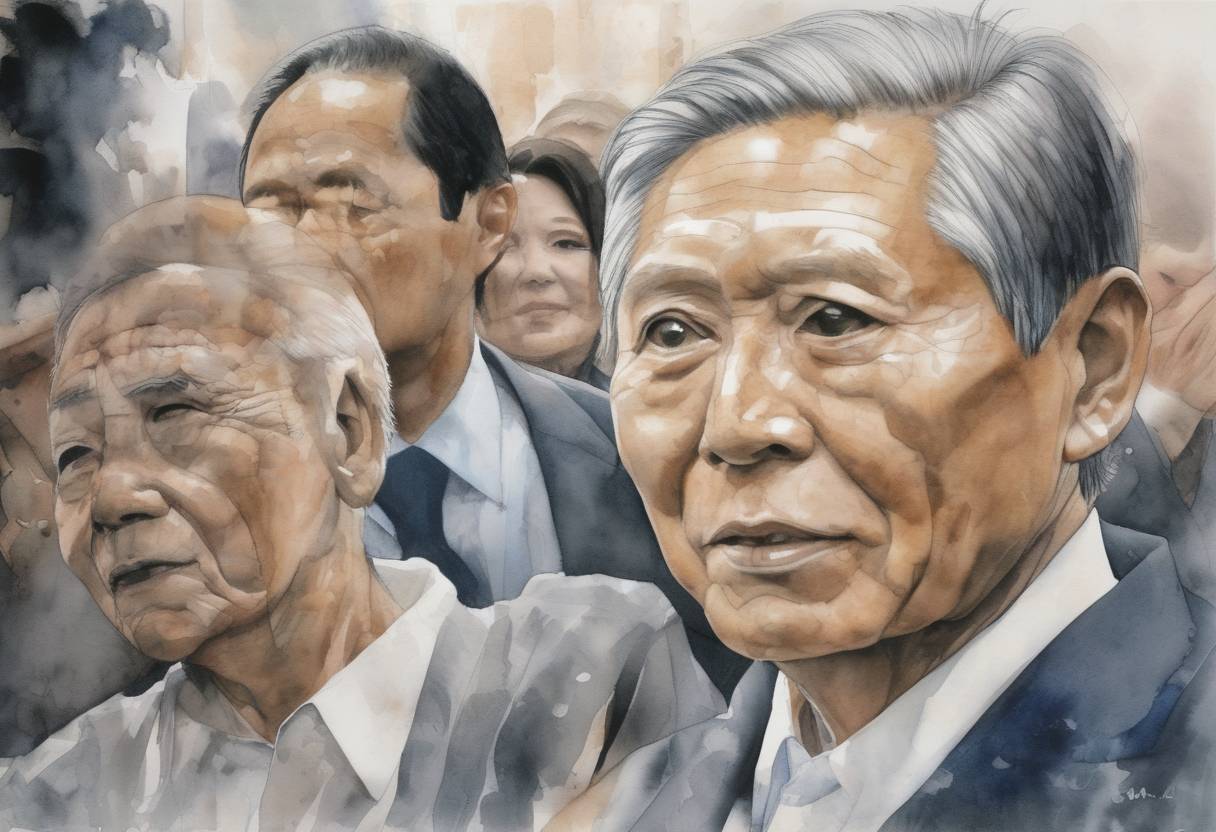
Alberto Fujimori Charged with Murder and Forced Disappearance
On June 20, 2001, former Peruvian President Alberto Fujimori was formally charged with murder and forced disappearance. These charges were part of a broader investigation into human rights abuses that occurred during his presidency from 1990 to 2000. The charges were a significant development in Peru’s efforts to address the legacy of violence and authoritarianism that marked Fujimori’s time in office.
Background
Alberto Fujimori came to power in 1990, a period when Peru was grappling with severe economic issues and a violent insurgency led by the Shining Path, a Maoist guerrilla group. Fujimori’s presidency is noted for its controversial “Fujishock” economic reforms and a hardline approach to counterinsurgency, which included the use of military tribunals and secretive death squads.
Key Events Leading to the Charges
La Cantuta Massacre (1992): One of the most infamous incidents linked to Fujimori’s regime was the La Cantuta massacre, where nine students and a professor from La Cantuta University were abducted and killed by the Grupo Colina, a death squad allegedly operating under Fujimori’s orders.
Barrios Altos Massacre (1991): Another significant event was the Barrios Altos massacre, where 15 people, including an eight-year-old child, were killed during a raid by the same death squad.
Fujimori’s Downfall: Fujimori’s downfall began in 2000 when a corruption scandal involving his close advisor, Vladimiro Montesinos, came to light. Fujimori fled to Japan amid growing unrest and submitted his resignation via fax.
Charges and Legal Proceedings
The charges against Fujimori were part of a broader effort by the Peruvian government to hold him accountable for human rights violations. The legal proceedings were initiated after Fujimori’s self-imposed exile in Japan, which complicated extradition efforts due to his Japanese citizenship.
- Murder and Forced Disappearance: The charges specifically related to the extrajudicial killings and disappearances carried out by the Grupo Colina death squad.
- International Pressure: Human rights organizations and international bodies pressured Peru to pursue justice for the victims of Fujimori’s regime.
Aftermath and Historical Significance
- Extradition and Trial: Fujimori was eventually extradited from Chile to Peru in 2007 after being arrested during a visit to the country. He was tried and convicted in 2009 for human rights abuses, receiving a 25-year prison sentence.
- Legacy: Fujimori’s presidency remains a contentious topic in Peru. While some credit him with stabilizing the economy and defeating the Shining Path, others condemn his authoritarian tactics and human rights abuses.
- Impact on Peru: The charges and subsequent conviction of Fujimori marked a significant moment in Peru’s history, highlighting the country’s commitment to addressing past injustices and strengthening its democratic institutions.
The events surrounding Fujimori’s charges underscore the complex interplay between governance, human rights, and justice in post-conflict societies.