The First Execution by Gas Chamber in the United States
1924 · Carson City, United States
The first execution by gas chamber in the United States took place in Nevada, with Gee Jon as the first person executed by this method.
March 19, 1931
The state of Nevada legalized gambling, paving the way for the growth of Las Vegas as a major gambling center.
Carson City, United States | Nevada Legislature
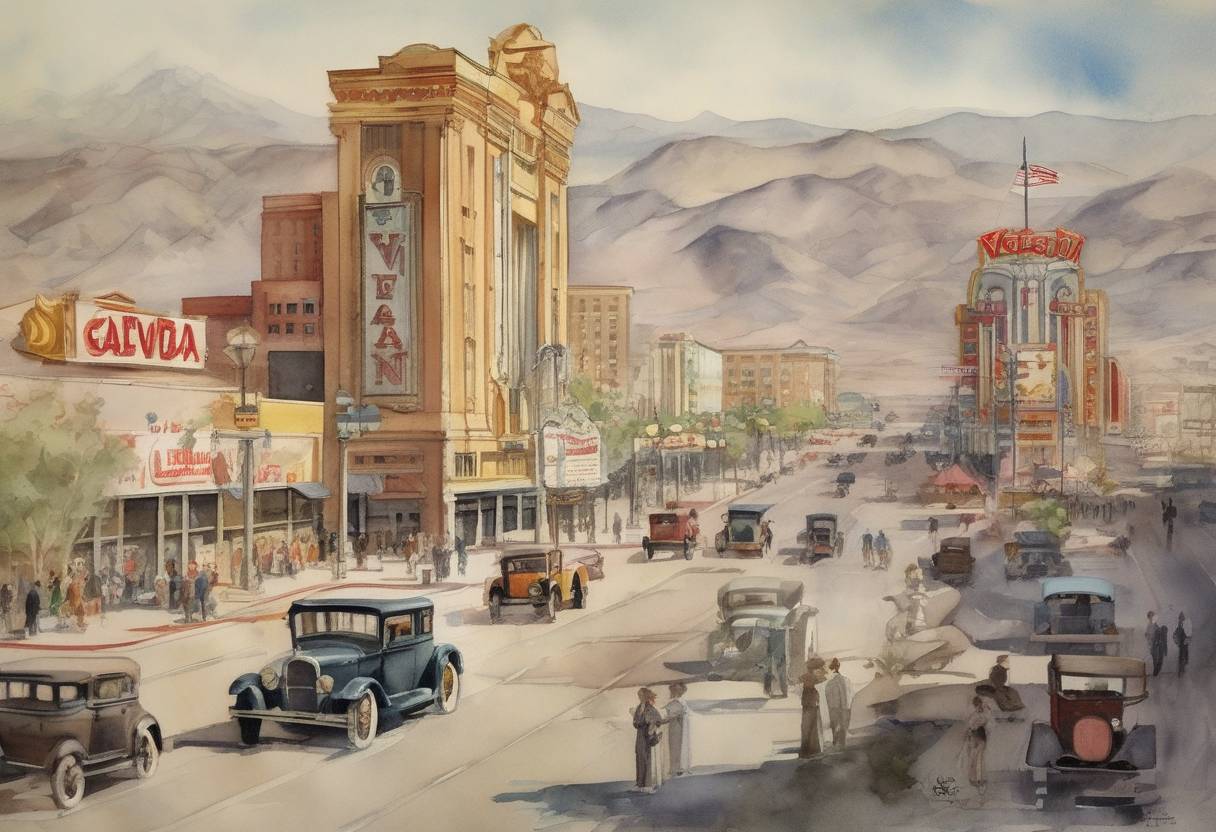
On March 19, 1931, the state of Nevada took a pivotal step that would transform its economic landscape and cultural identity by legalizing gambling. This decision laid the groundwork for the development of Las Vegas as a major gambling and entertainment hub, a status it maintains to this day.
The early 20th century was a challenging period for Nevada. The state was grappling with economic difficulties, exacerbated by the Great Depression. Nevada’s population was sparse, and its economy heavily relied on mining, which was in decline. In search of new revenue streams, state legislators considered the legalization of gambling as a potential solution.
The decision to legalize gambling in Nevada had far-reaching implications beyond the state’s borders. It set a precedent for other regions considering similar measures and highlighted the potential economic benefits of regulated gambling. The growth of Las Vegas as a gambling center also contributed to the broader cultural phenomenon of casino tourism, influencing entertainment and hospitality industries worldwide.
In summary, the legalization of gambling in Nevada on March 19, 1931, was a transformative event that reshaped the state’s economic and cultural landscape, with Las Vegas emerging as a global symbol of entertainment and leisure.
Source: en.wikipedia.org