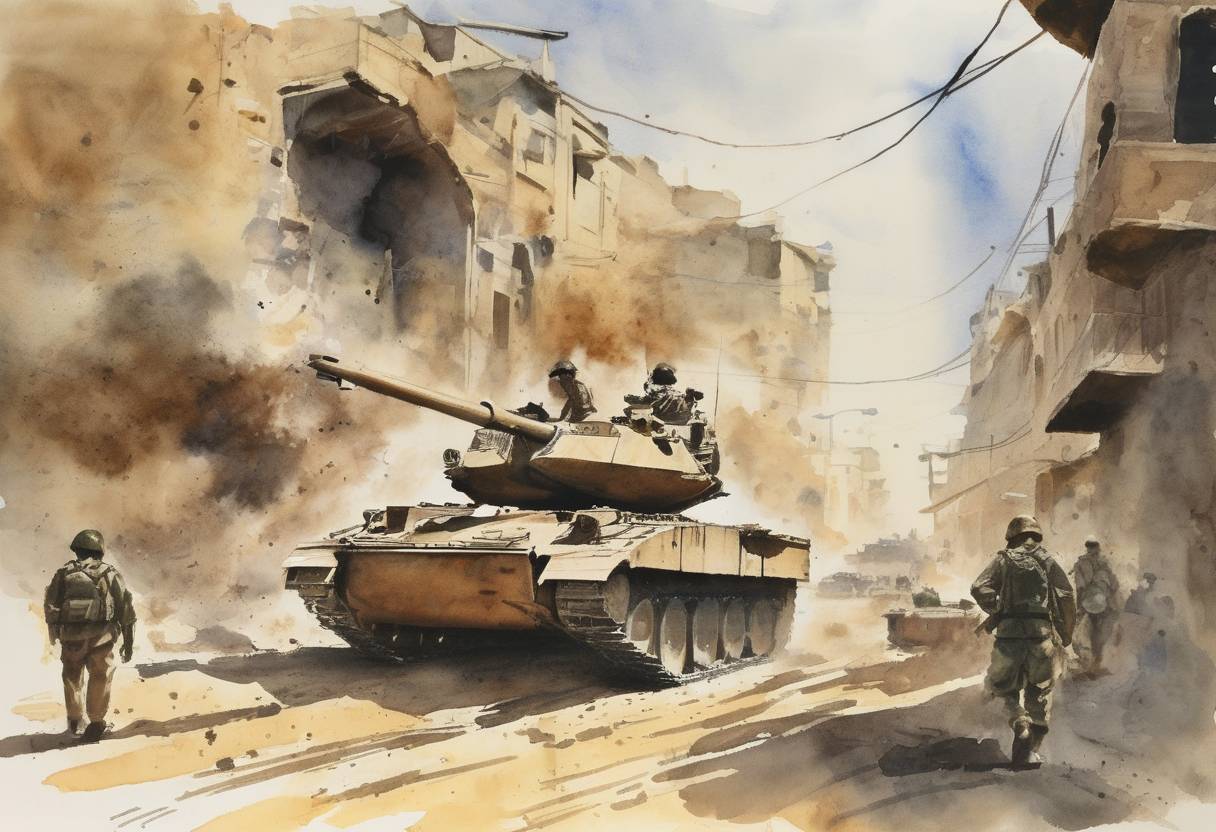
The Six-Day War Ceasefire: June 10, 1967
The Six-Day War, a pivotal conflict in Middle Eastern history, concluded on June 10, 1967, with a ceasefire agreement between Israel and its neighboring states. This brief yet intense war had significant and lasting impacts on the region’s geopolitical landscape.
Background
The Six-Day War was fought between Israel and the neighboring states of Egypt, Jordan, and Syria. Tensions had been escalating due to a combination of factors, including:
- Territorial Disputes: Long-standing territorial disputes and border skirmishes had heightened tensions.
- Military Buildup: Egypt’s President Gamal Abdel Nasser had mobilized forces in the Sinai Peninsula and closed the Straits of Tiran, a crucial maritime route for Israel.
- Regional Alliances: Arab nations, including Jordan and Syria, had formed military alliances, further increasing the threat to Israel.
Key Events Leading to the Ceasefire
- June 5, 1967: Israel launched a preemptive strike against Egypt, destroying much of the Egyptian Air Force on the ground. This marked the beginning of the war.
- Rapid Israeli Advances: Over the next few days, Israel achieved significant military victories, capturing the Gaza Strip and the Sinai Peninsula from Egypt, the West Bank (including East Jerusalem) from Jordan, and the Golan Heights from Syria.
- International Pressure: As the war progressed, international pressure mounted for a ceasefire. The United Nations Security Council called for an immediate cessation of hostilities.
The Ceasefire
On June 10, 1967, a ceasefire was agreed upon, effectively ending the Six-Day War. The ceasefire was brokered under the auspices of the United Nations, following intense diplomatic efforts.
Aftermath and Consequences
- Territorial Changes: Israel’s territorial gains dramatically altered the map of the Middle East. The occupation of the West Bank, Gaza Strip, Sinai Peninsula, and Golan Heights had profound implications for regional politics and the Israeli-Palestinian conflict.
- Refugee Crisis: The war exacerbated the Palestinian refugee crisis, with many Palestinians displaced from their homes.
- UN Resolution 242: In November 1967, the UN Security Council adopted Resolution 242, calling for the withdrawal of Israeli forces from occupied territories and the recognition of every state’s right to live in peace within secure and recognized boundaries.
- Long-term Impact: The war set the stage for future conflicts and peace negotiations, influencing the dynamics of the Arab-Israeli conflict for decades.
The Six-Day War and its aftermath remain a critical chapter in Middle Eastern history, shaping the political and social landscape of the region to this day.