Vladimir Putin's Third Term as President of Russia
2012 · Moscow, Russia
Vladimir Putin won the Russian presidential election, securing his third term as President of Russia.
March 2, 2008
Dmitry Medvedev was elected as the President of Russia, succeeding Vladimir Putin, who became the Prime Minister.
Moscow, Russia | Russian Government
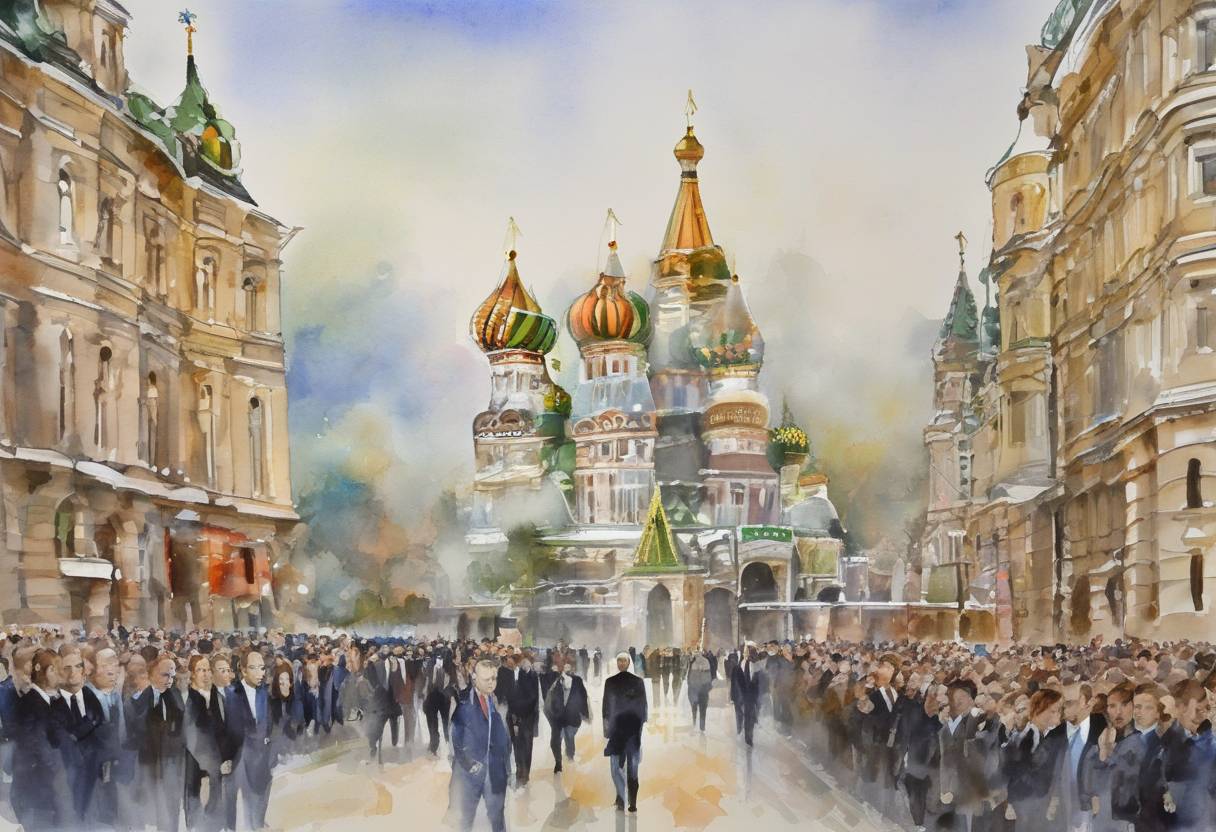
On March 2, 2008, Dmitry Medvedev was elected as the President of Russia, succeeding Vladimir Putin, who transitioned to the role of Prime Minister. This event marked a significant moment in Russian politics, characterized by a strategic power transition within the ruling political elite.
Vladimir Putin’s Presidency: Vladimir Putin served as President of Russia from 2000 to 2008. During his tenure, he was credited with stabilizing the Russian economy and reasserting Russia’s influence on the global stage. However, his presidency was also marked by concerns over democratic backsliding and increased centralization of power.
Constitutional Term Limits: The Russian Constitution limits the presidency to two consecutive terms. As Putin’s second term was coming to an end, he could not run for a third consecutive term in 2008.
Selection of Medvedev: Dmitry Medvedev, a close ally of Putin and a member of his inner circle, was chosen as the candidate for the presidency by the ruling party, United Russia. Medvedev had served in various governmental roles, including as the First Deputy Prime Minister, and was seen as a continuation of Putin’s policies.
Campaign and Platform: Medvedev’s campaign focused on economic modernization, legal reform, and improving social welfare. He was widely perceived as a moderate and a technocrat, promising continuity with Putin’s policies while also advocating for some liberal reforms.
Election Results: Medvedev won the presidential election with approximately 70% of the vote, a decisive victory that underscored his popularity and the support of the political establishment.
Putin as Prime Minister: Following Medvedev’s election, Vladimir Putin assumed the role of Prime Minister. This move was seen as a way for Putin to maintain significant influence over Russian politics and governance, despite stepping down from the presidency.
Tandemocracy: The Medvedev-Putin leadership arrangement was often referred to as a “tandemocracy,” where both leaders worked closely together, with Putin retaining substantial power and influence.
Medvedev’s Presidency (2008-2012): During his presidency, Medvedev focused on modernization and innovation, particularly in the technology sector. He also attempted to improve Russia’s relations with the West, although tensions remained.
Return of Putin to Presidency: In 2012, Vladimir Putin returned to the presidency, with Medvedev becoming the Prime Minister. This switch further solidified the perception of a carefully managed power-sharing arrangement between the two leaders.
Impact on Russian Politics: The Medvedev-Putin transition highlighted the adaptability of Russia’s political system to maintain continuity of leadership. It also underscored the centralization of power within the ruling elite, raising questions about the state of democracy in Russia.
In summary, the election of Dmitry Medvedev as President of Russia on March 2, 2008, was a pivotal moment that demonstrated the strategic maneuvering within Russian politics, ensuring the continuation of Vladimir Putin’s influence while adhering to constitutional constraints.
Source: www.britannica.com