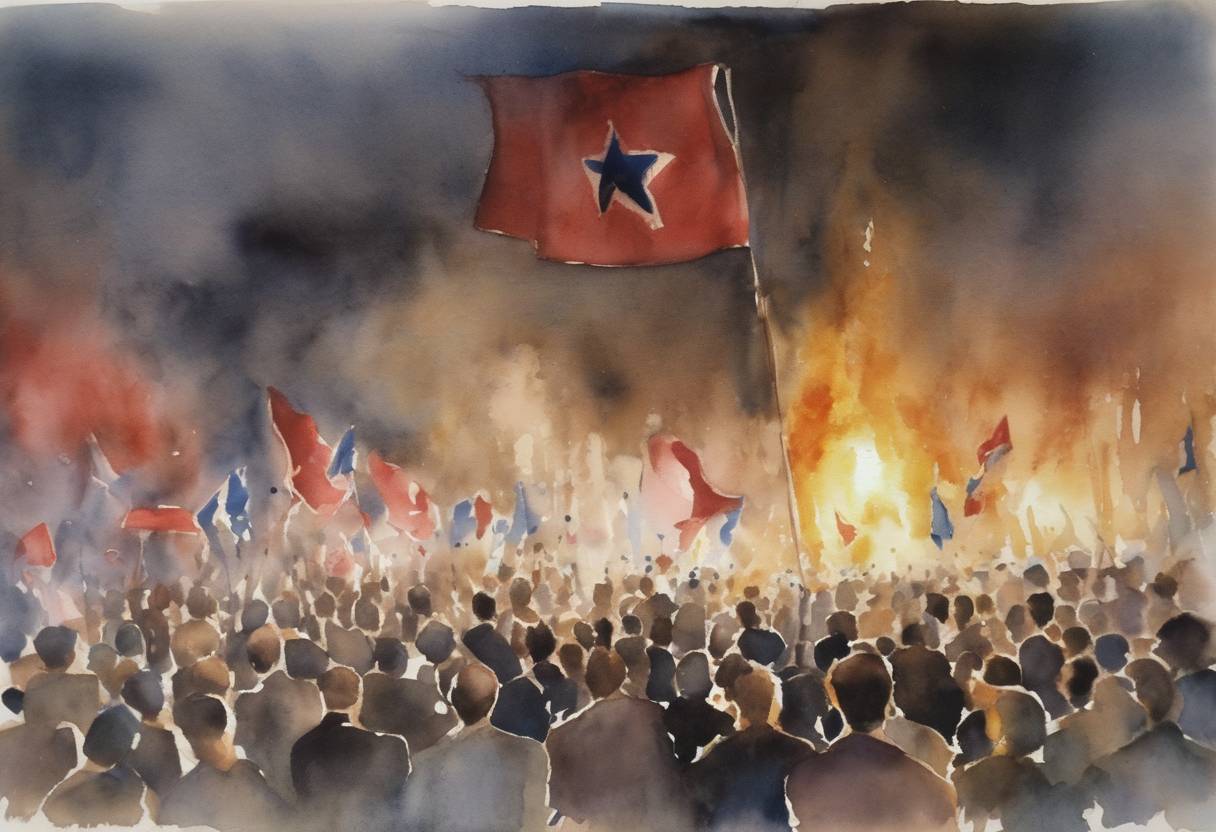
Serbian Opposition Victory and Resignation of Slobodan Milošević - October 5, 2000
On October 5, 2000, the opposition party in Serbia declared victory in the Yugoslav presidential election, marking the culmination of weeks of protest and political upheaval. This historic moment led to the resignation of Slobodan Milošević, bringing an end to his 13-year rule.
Background
- Yugoslav Presidential Election: The elections were held on September 24, 2000. The opposition, led by Vojislav Koštunica and the Democratic Opposition of Serbia (DOS), claimed victory, although the results were initially contested by Milošević.
- Setting the Stage: Tensions had been building in Yugoslavia due to economic decline, international sanctions, and widespread corruption under Milošević’s regime. There was also mounting frustration over the handling of conflicts in Croatia, Bosnia, and Kosovo.
Mass Protests
- Public Demonstrations: In response to the alleged election fraud by Milošević, massive public demonstrations erupted across Serbia. The largest rally took place in Belgrade, drawing hundreds of thousands of protesters.
- Role of Opposition: The Democratic Opposition of Serbia played a crucial role in organizing the protests, unifying diverse opposition groups and garnering international support.
Key Events on October 5, 2000
- Storming of Government Buildings: Protesters stormed key government buildings, including the national parliament and the state television building in Belgrade, which were symbols of Milošević’s power.
- Police and Military: Many military and police forces defected or refused to act against the protesters, further weakening Milošević’s hold on power.
Aftermath
- Milošević’s Resignation: Faced with overwhelming opposition, Slobodan Milošević conceded defeat and stepped down on October 7, 2000.
- Impact: This marked a significant shift towards democratic governance in Serbia and paved the way for greater integration of the country into Europe. Vojislav Koštunica was inaugurated as the President of Yugoslavia.
Significance
- End of an Era: The event ended over a decade of authoritarian rule under Milošević, known for his nationalist policies and involvement in the Balkan conflicts.
- Democratic Transition: It initiated a new phase of democratic reforms and international relations for Serbia and the former Yugoslav republics.
- International Reaction: The international community, including the European Union and the United States, welcomed the change and pledged support for democratic development in Serbia.
The victory of the opposition and subsequent resignation of Milošević on October 5, 2000, remains a watershed moment in the region’s history, symbolizing a successful peaceful protest against authoritarianism.