Nelson Mandela and F.W. de Klerk Awarded the Nobel Peace Prize
1993 · Oslo, Norway
Nelson Mandela and F.W. de Klerk are awarded the Nobel Peace Prize for their efforts in ending apartheid in South Africa.
October 14, 1994
Naguib Mahfouz, an Egyptian writer regarded as one of the first contemporary writers of Arabic literature, was awarded the Nobel Prize in Literature.
Oslo, Norway | Nobel Committee
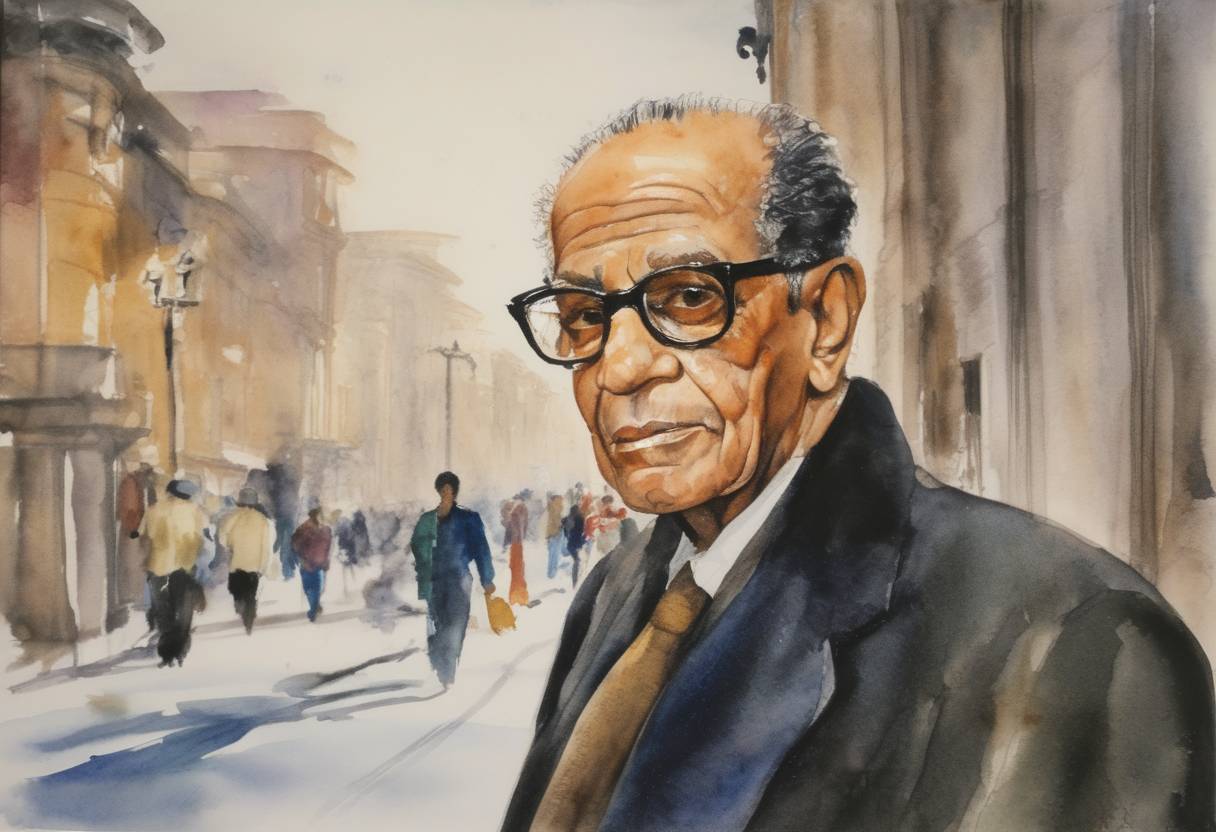
Naguib Mahfouz, an eminent Egyptian author, was awarded the Nobel Prize in Literature on October 14, 1994. This significant acknowledgment positioned Mahfouz as the first Arabic-language writer to be honored with the prestigious award, marking a milestone in the international recognition of Arabic literature.
Mahfouz’s literary career spans over seven decades and includes a prolific output of novels, short stories, screenplays, and essays. His work is celebrated for its in-depth portrayal of Egyptian society and its insightful commentary on cultural, social, and religious issues. Among his most renowned works is the “Cairo Trilogy,” comprising the novels “Palace Walk,” “Palace of Desire,” and “Sugar Street,” which present a detailed narrative of Egyptian life in the early 20th century.
Mahfouz is credited as a pioneering figure in modern Arabic literature, primarily for introducing a contemporary style that blends traditional storytelling with modern existential themes. His works often explore the complexities of individual identity and societal change, offering nuanced perspectives on the tension between tradition and modernity.
The Nobel Prize citation praised Mahfouz for creating works “rich in nuance” that bring “insight into universal problems of human experience.” The accolade served not only as a recognition of Mahfouz’s individual achievements but also highlighted the rich literary traditions of the Arab world on a global stage. It spurred a renewed interest in Arabic literature and inspired translations of Mahfouz’s works into numerous languages, broadening their accessibility and impact.
Naguib Mahfouz’s receipt of the Nobel Prize in Literature was a defining moment in his career and elevated his status as a polymath writer whose works transcended cultural and linguistic barriers. His legacy continues to influence writers worldwide, echoing the timeless relevance of his explorations of human conditions and societal evolution.
Source: www.nobelprize.org