Caroline Mikkelsen: First Woman to Set Foot on Antarctica
1935 · Antarctica, Antarctica
Caroline Mikkelsen became the first woman to set foot on Antarctica.
July 21, 1983
The lowest temperature on Earth was recorded at Vostok Station, Antarctica, at −89.2°C (−128.6°F).
Vostok Station, Antarctica | Soviet Antarctic Expedition
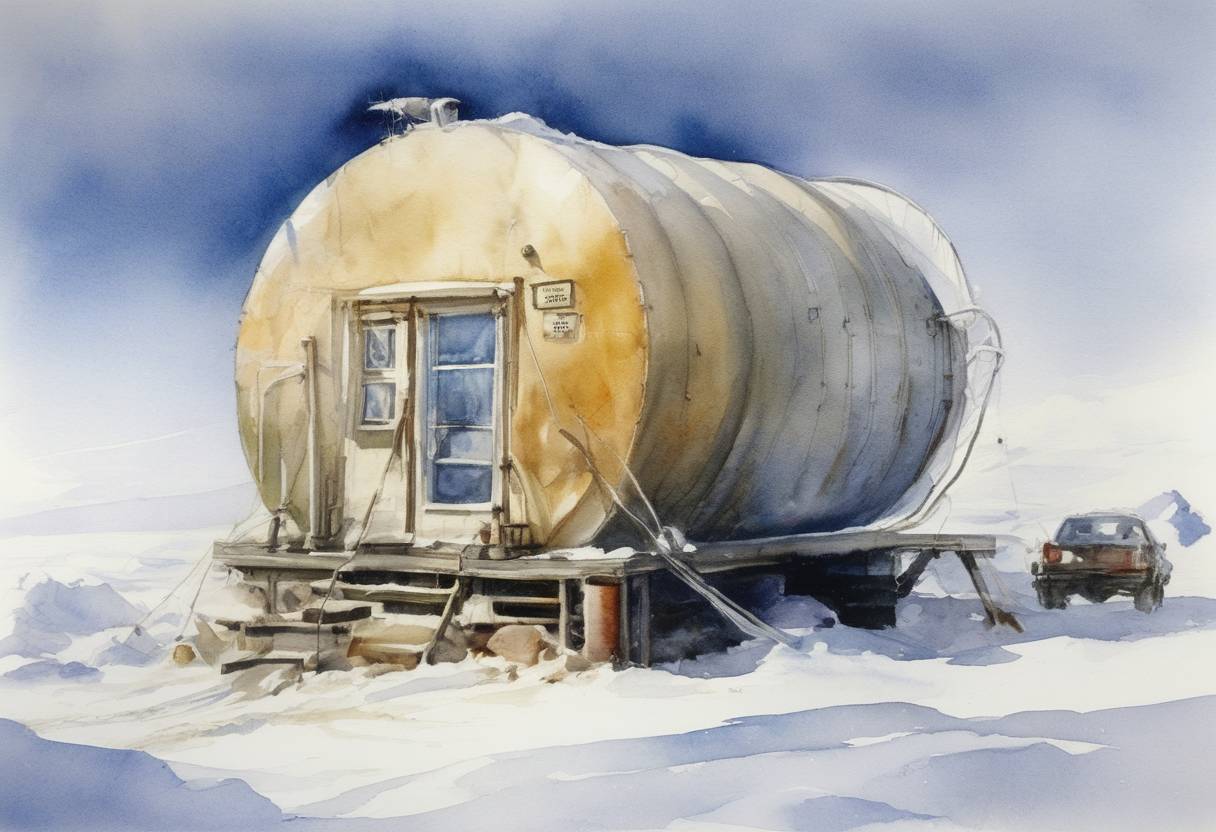
On July 21, 1983, the Vostok Station in Antarctica recorded the coldest natural temperature ever measured on Earth, at −89.2°C (−128.6°F). This record was set in the harsh and isolated environment of the Antarctic ice sheet, specifically a Soviet research station situated near the Southern Pole of Inaccessibility, one of the most remote parts of the continent.
Vostok Station, established by the Soviet Union in 1957, is located at an elevation of 3,488 meters (11,444 feet) above sea level. The station’s inland position contributes to its famously extreme climate, characterized by cold, dry, and windy conditions. Being situated at a high altitude, the station is one of the coldest places on Earth, where winter temperatures frequently drop below −60°C (−76°F).
The temperature of −89.2°C (−128.6°F) measured at Vostok is notable not only for its record-breaking nature but also for what it demonstrates about the possibility for extremes under natural conditions on our planet. This record highlight how the polar ice caps influence global weather patterns and climate dynamics. It also underscores the challenges involved in conducting research in such forbidding environments.
This record has stood for decades, offering scientists valuable data for understanding Earth’s climatic extremes. The conditions at Vostok Station have provided insights into paleoclimate through ice core studies, which contain information about Earth’s atmosphere stretching back hundreds of thousands of years.
The record-setting temperature at Vostok Station remains a milestone in climatology, emphasizing the extremes of our planet’s weather systems. Such records are crucial for expanding our comprehension of Earth’s environmental limits, assisting researchers in predicting the potential impacts of climate change in other parts of the world.
Source: www.ncdc.noaa.gov