Admission of Alabama as the 22nd State of the United States
1819 · N/A, United States
Alabama was admitted as the 22nd state of the United States of America.
April 30, 1812
Louisiana was admitted as the 18th state of the United States, marking the first state to be created from the territory acquired through the Louisiana Purchase.
Washington D.C., United States | United States Congress
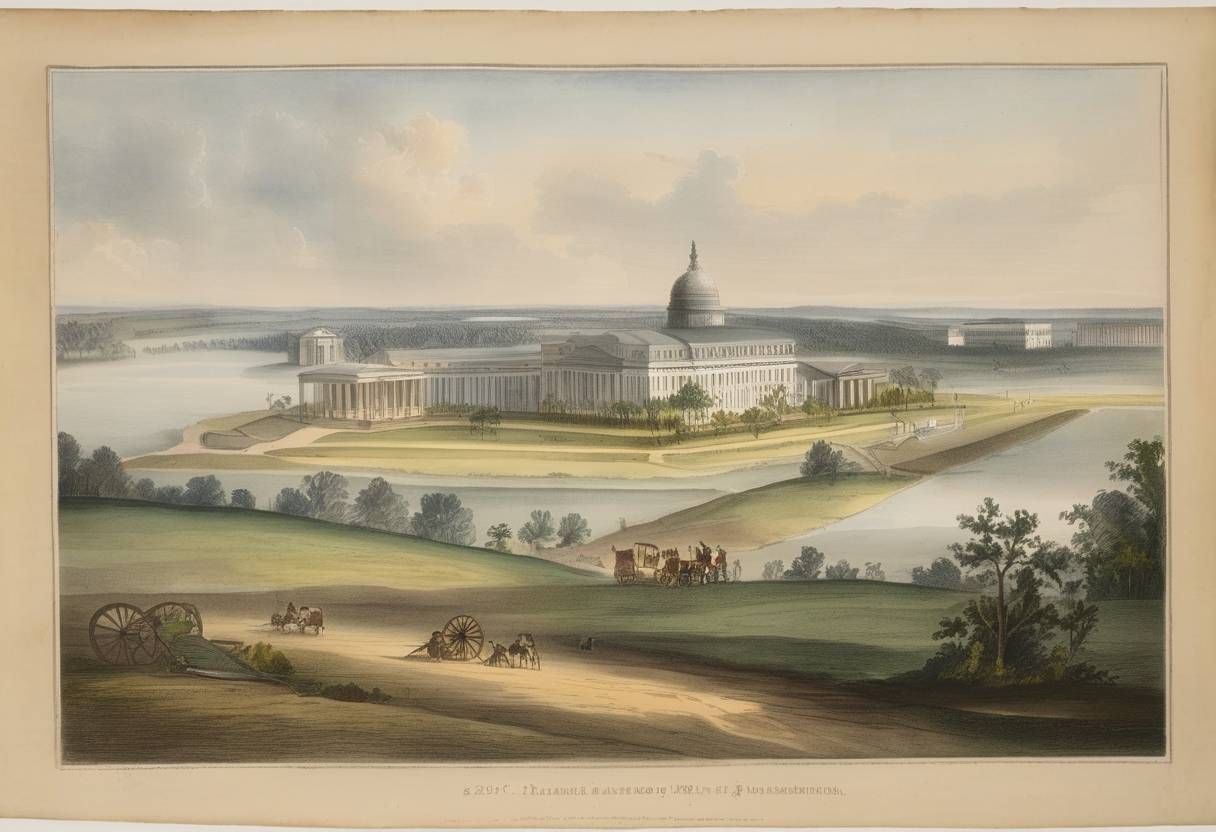
On April 30, 1812, Louisiana was admitted to the United States as the 18th state. This event marked a significant milestone in the nation’s expansion, as Louisiana was the first state to be carved out from the territory acquired in the Louisiana Purchase of 1803.
The Louisiana Purchase (1803): The transaction between the United States and France, in which the U.S. acquired approximately 828,000 square miles of land west of the Mississippi River for $15 million. Spearheaded by President Thomas Jefferson, this acquisition doubled the size of the United States, providing more land for agriculture and westward expansion.
Orleans Territory: After the land acquisition, the region that would become Louisiana was initially organized as the Territory of Orleans. This designation helped the territorial government manage the area until it was ready for statehood.
Petition for Statehood: Residents of the Territory of Orleans, predominantly French-speaking and diverse in cultural make-up, began lobbying for statehood to gain greater political representation and economic benefits that state status could provide.
Congressional Approval: The U.S. Congress approved the bill for Louisiana’s statehood on April 8, 1812, which President James Madison subsequently signed into law, paving the way for formal admission on April 30, 1812.
First State from the Purchase: As the first state formed from the Louisiana Purchase, Louisiana’s statehood represented a practical step in understanding the United States’ ability to integrate vast new territories and diverse populations into the federal system.
Impact on Federal Policies: The admission influenced U.S. policies on governance, land allotment, and civil rights issues. It highlighted the need to address questions of citizenship and law among the newly integrated populations, including French and Spanish Creoles, Native American tribes, and Africans.
Economic Growth: The incorporation of Louisiana into the Union fostered economic growth within the state due to its key location at the mouth of the Mississippi River, making it a vital hub for trade and commerce.
Cultural Impact: The state’s admission highlighted a broader trend of cultural amalgamation, as Louisiana’s unique culture reflected a mix of colonial French, Spanish, and Creole influences, enriching the American cultural landscape.
The admission of Louisiana set a precedent for the future integration of territories and paved the way for continued westward expansion, fundamentally altering the trajectory of the United States.
Source: www.sos.la.gov