Easter Sunday Bombings in Sri Lanka - April 21, 2019
2019 · Colombo, Sri Lanka
A series of coordinated terrorist bombings occurred in Sri Lanka on Easter Sunday, targeting churches and hotels, resulting in over 250 deaths.
March 6, 2009
The Sri Lankan cricket team returns home from Pakistan after surviving a terrorist attack on their team bus in Lahore three days earlier on March 3, 2009, during the test match series.
Colombo, Sri Lanka | Sri Lanka national cricket team
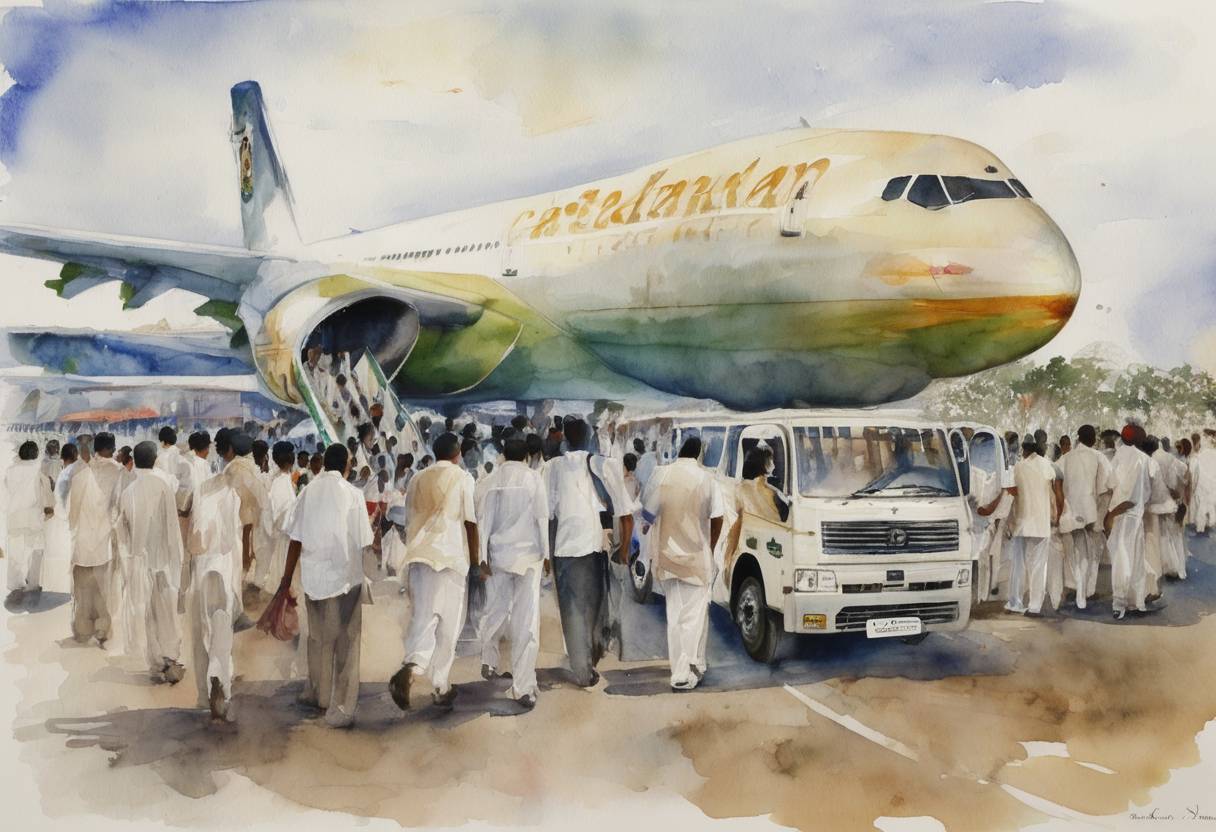
On March 6, 2009, the Sri Lankan cricket team returned home to Colombo after surviving a terrorist attack in Lahore, Pakistan. The incident occurred three days prior, on March 3, when the team bus was targeted by gunmen while en route to Gaddafi Stadium for the third day of the second Test match against Pakistan.
The Sri Lankan cricket team had traveled to Pakistan to participate in a bilateral Test series, stepping in after India’s cricket team withdrew following the Mumbai attacks in November 2008. The series was viewed as an opportunity to revive international cricket in Pakistan after years of security concerns.
On March 3, 2009, 12 militants armed with guns, grenades, and rocket launchers ambushed the team convoy at Liberty Square. The attack lasted for approximately 15 minutes. Six Pakistani police officers and two civilians were killed, while several players and the team’s staff sustained injuries. The timely bravery of the bus driver, Meher Muhammad Khalil, prevented further casualties by driving the team to safety at the stadium.
In response to the attack, the Test series was immediately canceled, and the team was airlifted back to Sri Lanka. The incident led to widespread international condemnation and prompted a reevaluation of security protocols regarding sporting events worldwide.
The attack had massive repercussions on cricket in Pakistan. It led to an indefinite suspension of international cricket tours to the country, significantly affecting Pakistan’s ability to host international matches. Consequently, the Pakistan Cricket Board organized matches at neutral venues, particularly in the United Arab Emirates.
The Sri Lankan cricket team’s return to Colombo was met with relief and support. While no lives of the players were lost, the traumatic event left a lasting impact on those involved and on international cricket dynamics. The incident underscored the ongoing challenges of ensuring player safety and securing international sporting events against potential terrorist threats.
Source: www.espncricinfo.com