Brumadinho Dam Collapse - January 25, 2019
2019 · Brumadinho, Brazil
A dam at an iron ore mine in Brumadinho, Brazil, collapses, causing a massive mudslide that results in the deaths of at least 270 people.
July 19, 1985
The Val di Stava dam collapse occurred in Italy, resulting in the deaths of 268 people and causing significant destruction in the surrounding area.
Stava, Italy | Val di Stava dam
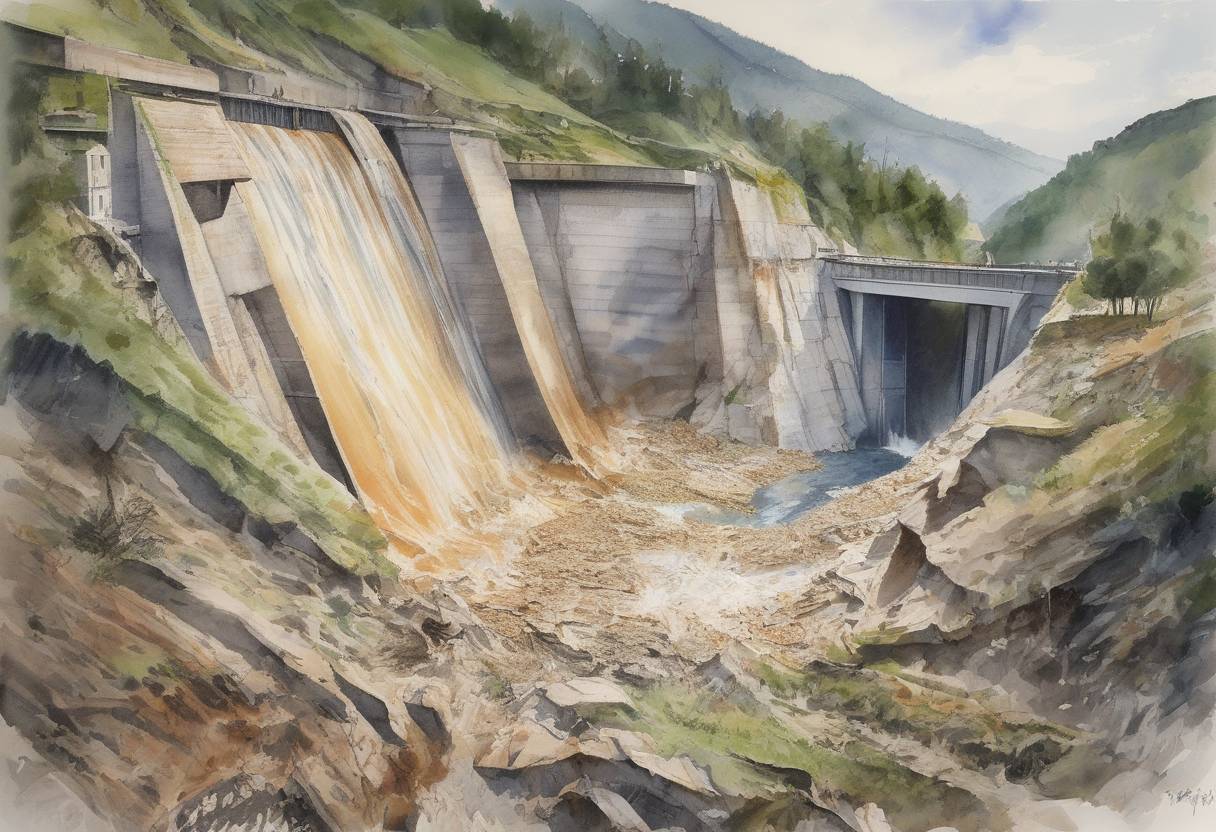
On July 19, 1985, a catastrophic dam collapse occurred in the Val di Stava, a valley in the Trentino-Alto Adige region of northern Italy. This disaster resulted in the tragic loss of 268 lives and caused extensive destruction in the surrounding area. The event is one of the deadliest dam failures in history and had significant repercussions for dam safety regulations in Italy and beyond.
The disaster involved two tailings dams located above the village of Stava, which were used to contain the waste material from the nearby Prestavel fluorite mine. These dams were constructed in the 1960s and 1970s to store the byproducts of mining operations. The upper dam was built on top of the lower dam, creating a precarious situation that was exacerbated by inadequate maintenance and oversight.
On the afternoon of July 19, 1985, the upper dam failed, releasing approximately 180,000 cubic meters of mud and water. This massive flow of debris cascaded down the valley at high speed, engulfing the village of Stava and continuing to the town of Tesero. The force of the mudslide destroyed buildings, roads, and bridges, leaving a trail of devastation in its wake.
Investigations into the collapse revealed several contributing factors:
The Val di Stava disaster prompted significant changes in Italian dam safety regulations. It highlighted the need for rigorous inspection and maintenance protocols, as well as the importance of enforcing strict safety standards for industrial operations.
The Val di Stava dam collapse serves as a stark reminder of the potential dangers associated with industrial negligence and the critical importance of adhering to safety standards. It underscores the need for continuous vigilance and accountability in the management of industrial infrastructure to protect communities and the environment.
The disaster remains a poignant chapter in Italy’s history, commemorated by memorials and ongoing efforts to ensure that such a tragedy is never repeated.
Source: en.wikipedia.org