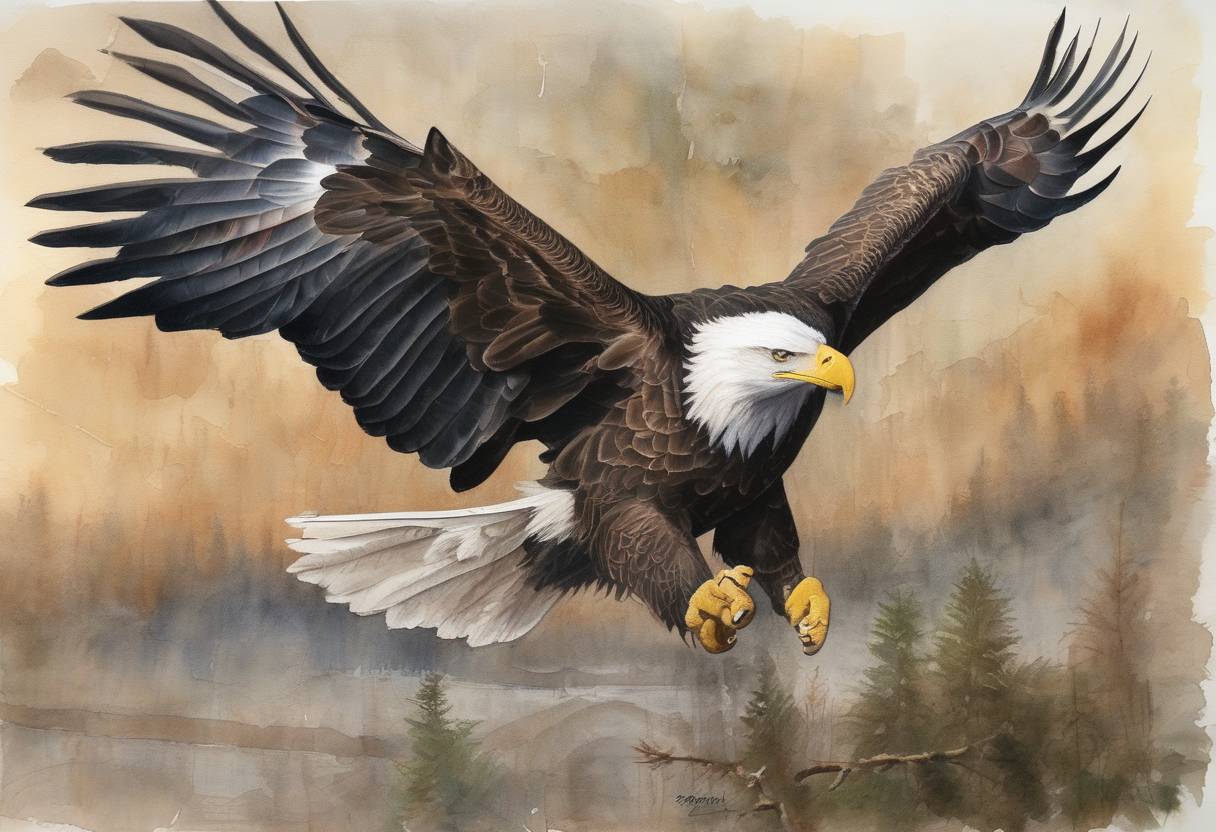
The Bald Eagle’s Removal from the Endangered Species List: June 28, 2007
On June 28, 2007, the bald eagle, a symbol of American freedom and resilience, was officially removed from the U.S. list of endangered and threatened species. This event marked a significant milestone in conservation efforts and highlighted the successful recovery of a species once on the brink of extinction.
Background
The bald eagle, scientifically known as Haliaeetus leucocephalus, is native to North America and has long been an emblem of the United States, appearing on the Great Seal since 1782. However, by the mid-20th century, the population of bald eagles had plummeted due to several factors, including:
- Habitat Destruction: Expansion and development led to the loss of nesting sites.
- Hunting and Poaching: Eagles were often shot by hunters and farmers who viewed them as threats to livestock.
- Pesticide Use: The widespread use of DDT, a pesticide, caused eggshell thinning, leading to reproductive failures.
Conservation Efforts
In response to the alarming decline, the bald eagle was listed under the Endangered Species Preservation Act in 1967, a precursor to the Endangered Species Act of 1973. This listing provided legal protection and facilitated conservation measures, including:
- Banning DDT: In 1972, the U.S. Environmental Protection Agency banned DDT, which played a crucial role in the recovery of the bald eagle population.
- Habitat Protection: Efforts were made to preserve and restore habitats critical for nesting and foraging.
- Captive Breeding and Reintroduction: Programs were established to breed eagles in captivity and release them into the wild.
Recovery and Delisting
By the early 2000s, these conservation efforts had yielded remarkable results. The bald eagle population had rebounded from a low of about 417 nesting pairs in the contiguous United States in 1963 to nearly 10,000 pairs by 2007. This recovery led to the decision to remove the bald eagle from the endangered and threatened species list.
Significance
The delisting of the bald eagle is considered one of the most successful conservation stories in U.S. history. It demonstrated the effectiveness of coordinated conservation efforts and the impact of environmental legislation. The recovery of the bald eagle serves as an inspiring example of how human intervention can reverse the decline of a species and restore ecological balance.
Aftermath
Following its delisting, the bald eagle continues to be protected under the Bald and Golden Eagle Protection Act and the Migratory Bird Treaty Act, ensuring ongoing conservation and management efforts. The success story of the bald eagle remains a testament to the power of environmental stewardship and the resilience of nature when given a chance to recover.