Eradication of Smallpox: WHO Announcement on May 8, 1980
1980 · Geneva, Switzerland
The World Health Organization announces the eradication of smallpox.
May 17, 1990
The World Health Organization removed homosexuality from its list of mental illnesses, marking a significant step in LGBTQ+ rights.
Geneva, Switzerland | World Health Organization
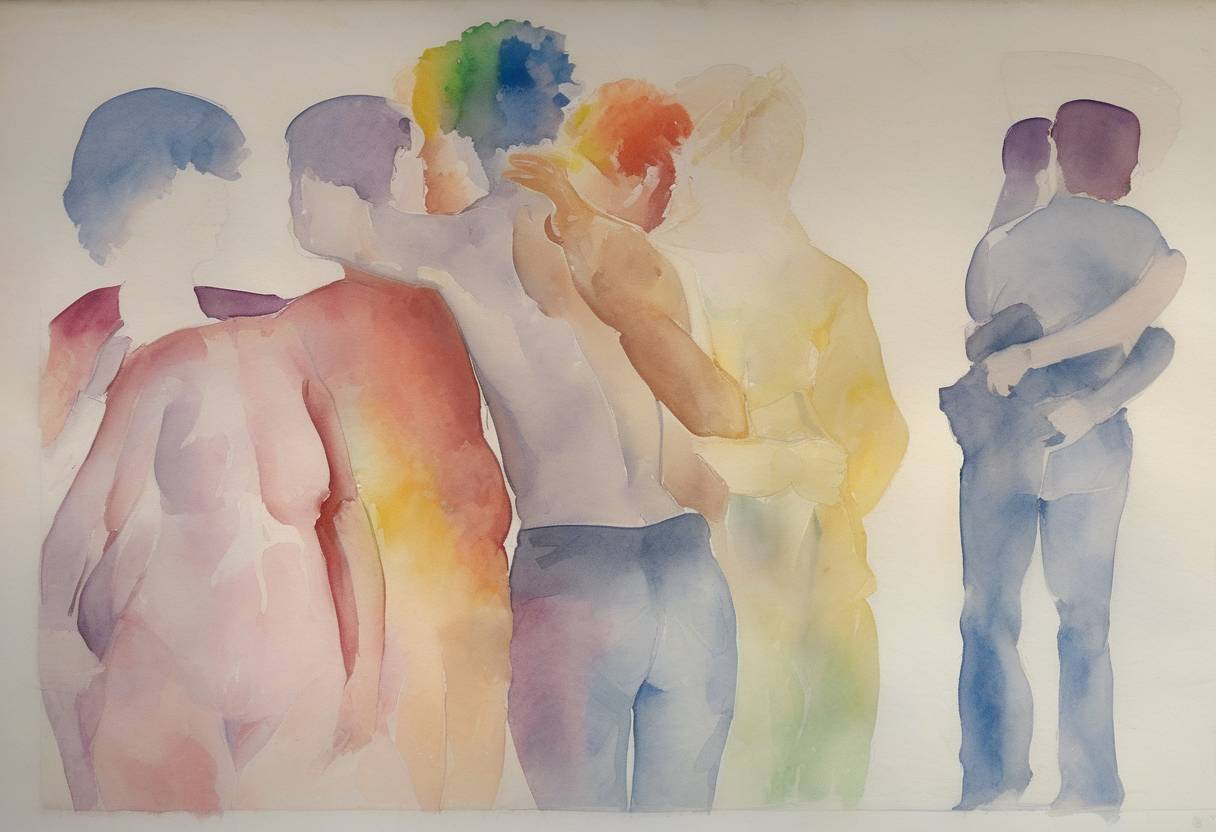
On May 17, 1990, the World Health Organization (WHO) made a landmark decision to declassify homosexuality as a mental disorder. This pivotal move marked a significant step forward in the global recognition of LGBTQ+ rights and contributed to the ongoing efforts to combat stigma and discrimination against the LGBTQ+ community.
Historical Classification: Prior to this decision, homosexuality had been classified as a mental illness by various medical and psychological institutions worldwide. This classification was rooted in historical biases and misconceptions about sexual orientation.
American Psychiatric Association (APA): The APA had already removed homosexuality from its Diagnostic and Statistical Manual of Mental Disorders (DSM) in 1973, following years of advocacy and research demonstrating that homosexuality is not a mental disorder.
Global Impact: Despite the APA’s decision, many countries and international bodies continued to pathologize homosexuality, leading to widespread discrimination and human rights abuses.
Scientific Research: By the late 20th century, a growing body of scientific research and expert opinion supported the understanding that homosexuality is a natural variation of human sexuality.
Advocacy and Activism: LGBTQ+ activists and human rights organizations played a crucial role in challenging the pathologization of homosexuality, advocating for its removal from medical classifications.
International Pressure: The global movement for LGBTQ+ rights gained momentum, putting pressure on international organizations like the WHO to align their classifications with contemporary scientific understanding and human rights standards.
May 17, 1990: The WHO officially removed homosexuality from the International Classification of Diseases (ICD-10), a critical step in de-stigmatizing same-sex attraction and relationships.
Significance of the Date: May 17 is now celebrated annually as the International Day Against Homophobia, Transphobia, and Biphobia (IDAHOTB), commemorating this historic decision and promoting awareness of LGBTQ+ issues worldwide.
Global Influence: The WHO’s decision had a profound impact on global health policies and the treatment of LGBTQ+ individuals, encouraging countries to revise their own medical classifications and legal frameworks.
Continued Challenges: Despite this progress, many regions still face significant challenges in achieving full equality and acceptance for LGBTQ+ individuals. Discrimination, violence, and legal barriers persist in various parts of the world.
Ongoing Advocacy: The declassification of homosexuality as a mental disorder remains a foundational achievement in the broader struggle for LGBTQ+ rights, inspiring continued advocacy for equality and justice.
The WHO’s decision in 1990 represents a critical juncture in the history of LGBTQ+ rights, underscoring the importance of scientific integrity and human rights in shaping public health policies. It highlights the power of advocacy and the ongoing need for vigilance in the fight against discrimination and stigma.
Source: en.wikipedia.org