The Reinheitsgebot: The German Beer Purity Law of 1516
1516 · Ingolstadt, Holy Roman Empire
The Reinheitsgebot, also known as the German Beer Purity Law, was adopted in Bavaria, stipulating that beer could only be made from water, barley, and hops.
April 23, 1516
The Reinheitsgebot, Germany's Beer Purity Law, was adopted in Bavaria, stipulating that beer could only be brewed from barley, hops, and water.
Ingolstadt, Holy Roman Empire (modern-day Germany) | Bavarian State Authorities
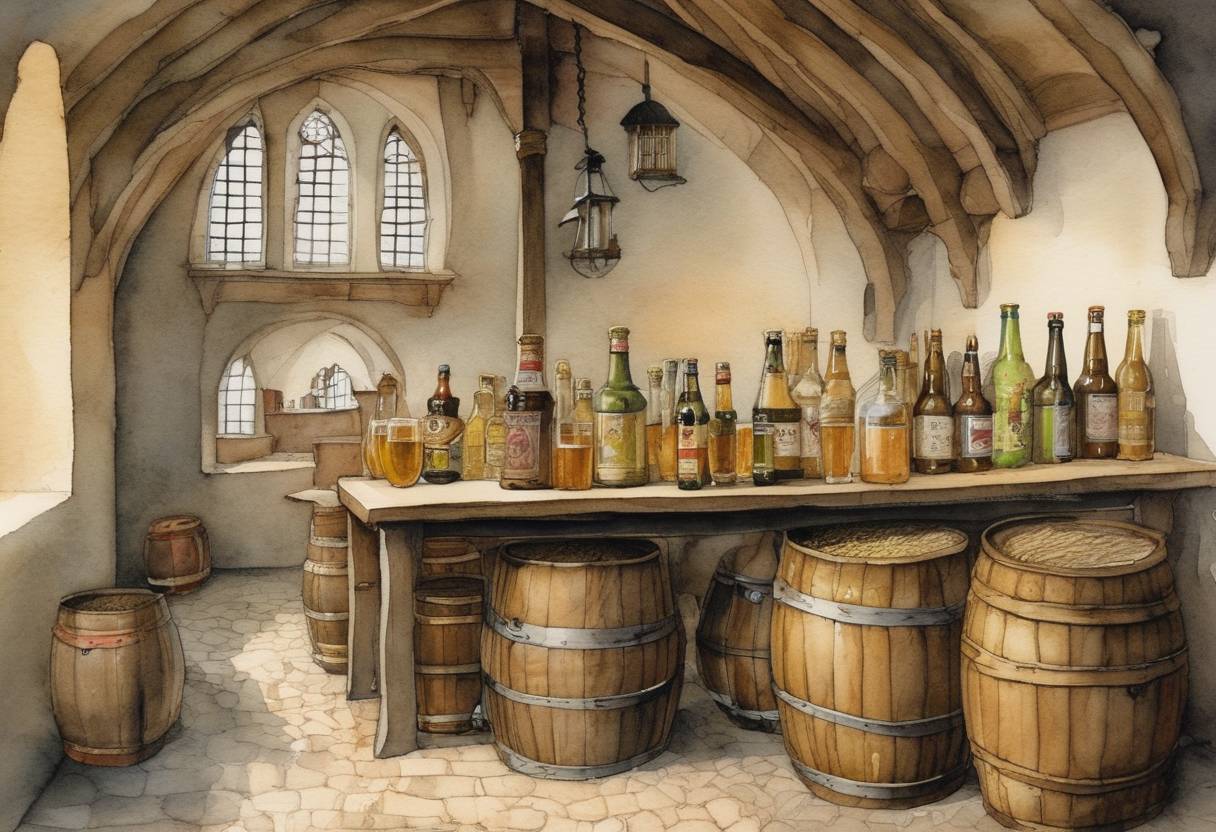
On April 23, 1516, the Reinheitsgebot, or the “Beer Purity Law,” was adopted in the Duchy of Bavaria. This landmark regulation was enacted during a meeting of the Bavarian State Assembly in Ingolstadt under the rule of Duke Wilhelm IV and Duke Ludwig X. The law stipulated that the only ingredients permissible in the production of beer were barley, hops, and water.
During the late medieval period, beer was a staple in the diets of Germans and other Europeans. However, the quality of beer varied drastically, with brewers often using a wide range of questionable ingredients, including sawdust and soot, leading to public health concerns. The Reinheitsgebot was introduced to standardize and ensure the purity and quality of the beer being consumed.
The law specifically aimed to prevent price competition with bakers for wheat and rye, ensuring these grains remained available for bread production. The use of barley was mandated to protect food supplies and ensure affordable bread for the populace.
The Reinheitsgebot is one of the oldest food safety laws still in use today, although it has undergone changes and expansions. Its principles have influenced beer laws both within and outside Germany for centuries. The law was absorbed into German Imperial Law in 1906, further solidifying its place in national legislation.
In modern times, the purity law has contributed significantly to the reputation of German beer worldwide, embodying a tradition of quality and simplicity that is held in high regard by brewers and beer aficionados alike.
While celebrated for its focus on quality, the Reinheitsgebot has faced criticism for potentially stifling innovation in brewing by strictly limiting ingredients. In recent years, allowances were made for additional ingredients, particularly in response to European Union regulations, to accommodate more diverse brewing traditions and modern techniques.
The legacy of the Reinheitsgebot endures, celebrated annually by German brewers and beyond, as a testament to the enduring appreciation and cultural importance of beer purity and quality.
Source: www.german-way.com