Death of Otto III, Holy Roman Emperor
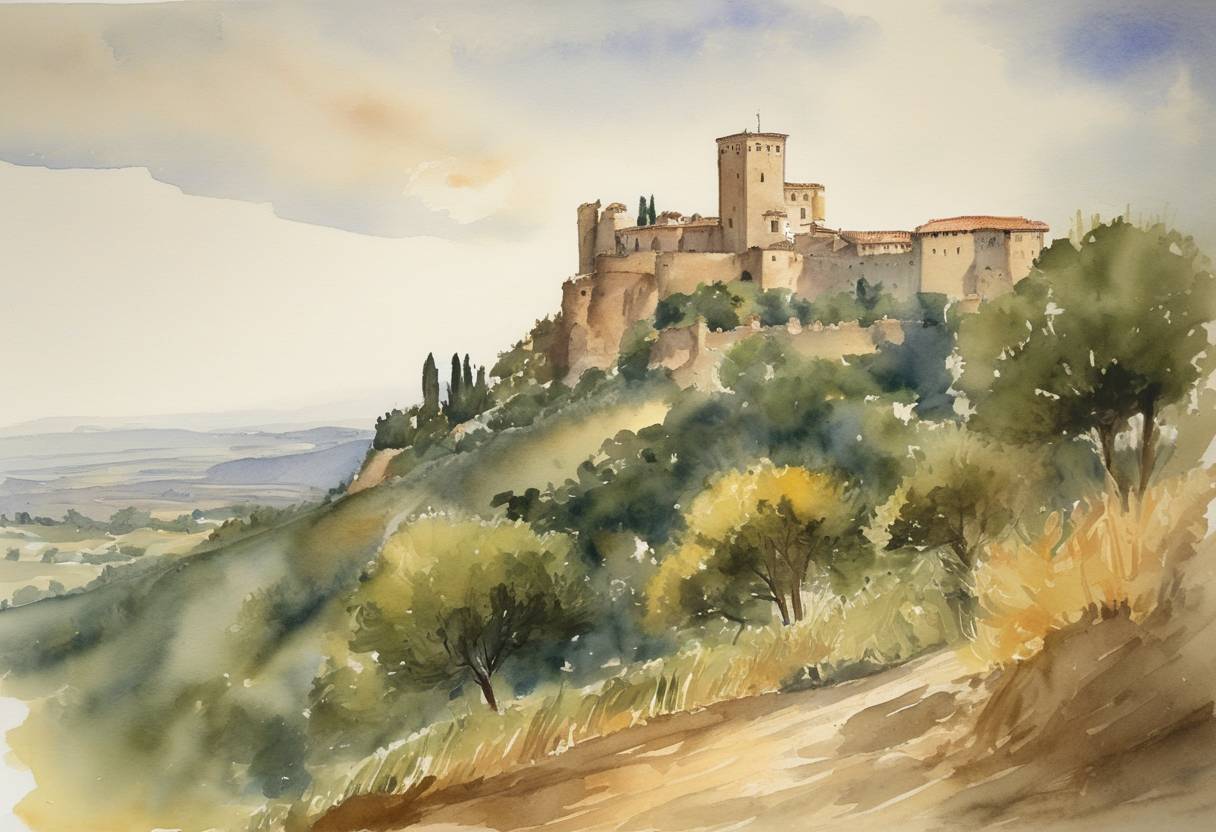
On January 19, 1002, Otto III, Holy Roman Emperor, died at the young age of 21 at the castle of Paterno near Civita Castellana, Italy. His death marked a sudden and pivotal moment in the history of the Holy Roman Empire. It is widely recorded that the cause of death was likely malaria, an illness that was endemic in the marshy areas around Rome during this period.
Otto III’s Reign
Otto III’s ascent to power began very early; he was elected King of Germany in 983, at just three years old, following the death of his father, Emperor Otto II. Due to his age at the time, his reign initially involved regency under his mother, Theophanu, and grandmother, Adelaide of Italy, until he assumed personal rule in 994.
During his reign, Otto III sought to revive the glory of the Roman Empire and considered himself a ruler of both the Eastern and Western parts of the former Roman Empire. This vision was characterized by his policies, which often emphasized the fusion of Roman and Germanic elements, including his decision to move the imperial court to Rome, attempting to reincarnate the ancient Roman Empire’s legacy.
Historical Context and Impact
Otto III’s ambitions extended across Europe, involving interventions in the political affairs of Italy and a focus on consolidating imperial authority over the vast and diverse territory of the Holy Roman Empire. His reign also stood out for his close relationships with the church, notably through his promotion of the Christianization efforts in Eastern Europe.
His unexpected death left the empire in a precarious position, igniting crises over succession and stalling his unfulfilled ambitions to unify Christendom under a renewed Roman Empire. His cousin, Henry II, succeeded him, adjusting the empire’s course to more pragmatic and regionally focused policies.
Aftermath
Otto III’s death represented a significant blow to the imperial aspirations of a unified Europe under a Roman-like empire. His burial beside Charlemagne at Aachen reflected his aspirations towards achieving a legacy akin to the revered Carolingian Emperor. Despite the setbacks following his demise, his influence endured in the continued Ottonian Dynasty’s strategic engagements and religious policies.
Conclusion
Otto III’s brief yet ambitious reign and untimely passing are emblematic of the volatility and dynamic nature of early medieval European politics. His visions, policies, and the resulting historical shifts underscore the significant impact of individual leaders on the trajectory of empires and nations during this period.