Basiliscus Becomes Byzantine Emperor
475 · Constantinople, Byzantine Empire
Basiliscus becomes Byzantine Emperor after a coup d'état against Emperor Zeno.
November 10, 0474
Emperor Leo II dies, and his father Zeno becomes the sole ruler of the Byzantine Empire.
Constantinople, Byzantine Empire | Byzantine Empire
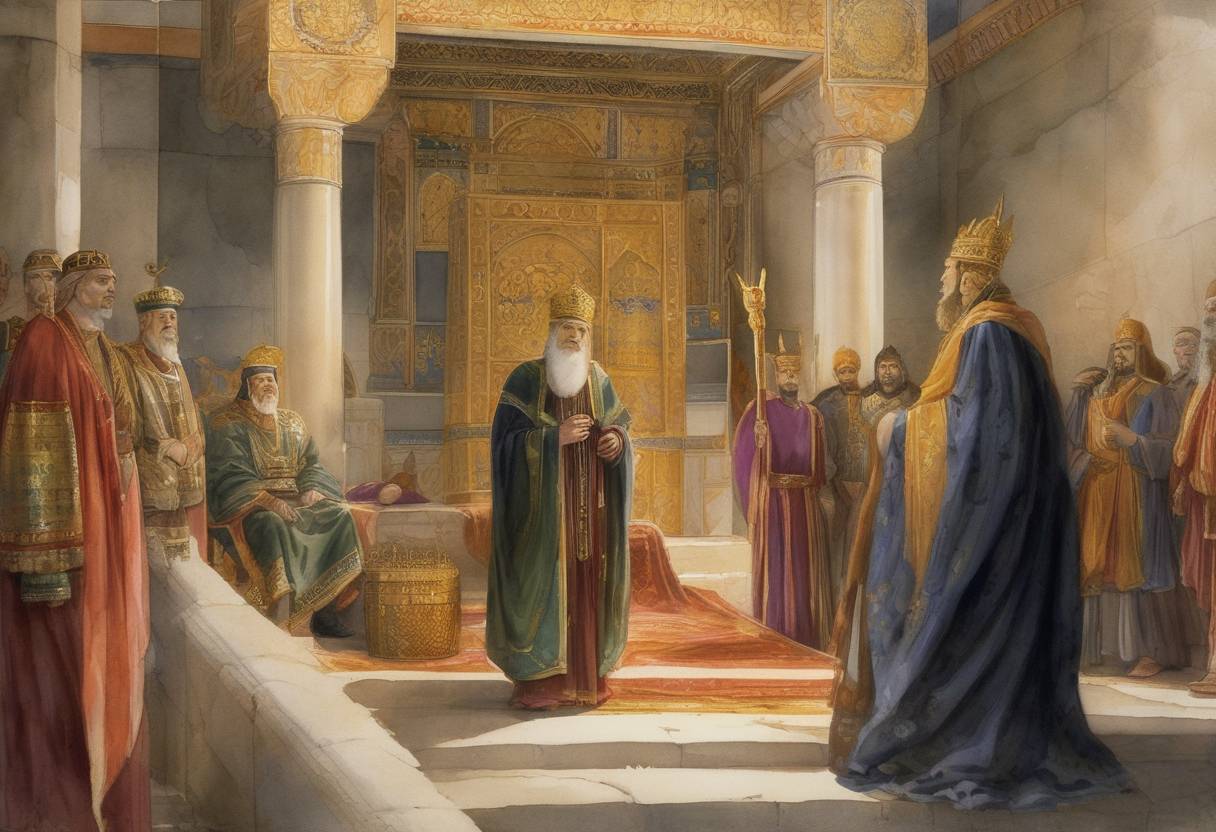
On November 10, 474, the Byzantine Empire witnessed a significant transition of power due to the death of Emperor Leo II. At the tender age of around seven, Leo II was the reigning Byzantine Emperor, having assumed the throne earlier in the year following the death of his grandfather, Emperor Leo I, in January 474. His reign was notably short and marked by profound influence from his father, Zeno, who was initially appointed co-emperor to assist the young emperor in matters of governance.
The Byzantine Empire during this period was characterized by political instability and power struggles. The elevation of Leo II to emperor was initially intended to maintain continuity within the Leonid dynasty, a period when control of the empire required intricate navigation of court politics and military challenges.
Upon assuming office, Leo II, too young to govern independently, relied heavily on his father, Zeno, for decision-making. Zeno, an Isaurian, faced considerable opposition at court due to ethnic tensions and previous power shifts that left factions wary of his influence.
Leo II’s untimely death late in 474 removed the primary barrier to Zeno’s sole rule, as he was already co-emperor. Even during Leo II’s life, significant authority had been vested in Zeno, allowing him to gradually consolidate power. After Leo II’s death, Zeno was able to become the uncontested ruler of the Byzantine Empire, eventually facing revolts and challenges that demanded a deft political strategy.
Zeno’s ascension marked the continuation of the Leonid dynasty but also underscored the deeply entrenched court politics and civil unrest. His reign was marred by revolts and internal dissent, most notably the revolt of Basiliscus, which temporarily saw Zeno ousted in 475. He managed to regain the throne in 476, navigating through a tumultuous period that coincided with the end of the Western Roman Empire.
Zeno’s era was politically complex, involving balancing alliances between various factions, both within the empire and at its borders. The shifting power dynamics signaled more than just a change of emperors; it reflected the broader Byzantine struggle for stability amidst a fractious political landscape that would characterize Byzantine history for centuries to come.
Source: en.wikipedia.org