The Establishment of the United States Air Force: September 18, 1947
1947 · Washington, D.C., United States
The United States Air Force becomes an independent branch of the U.S. military.
August 13, 1948
The first woman completed the US Air Force pilot's training program, marking a significant achievement for women in aviation.
San Antonio, United States | United States Air Force
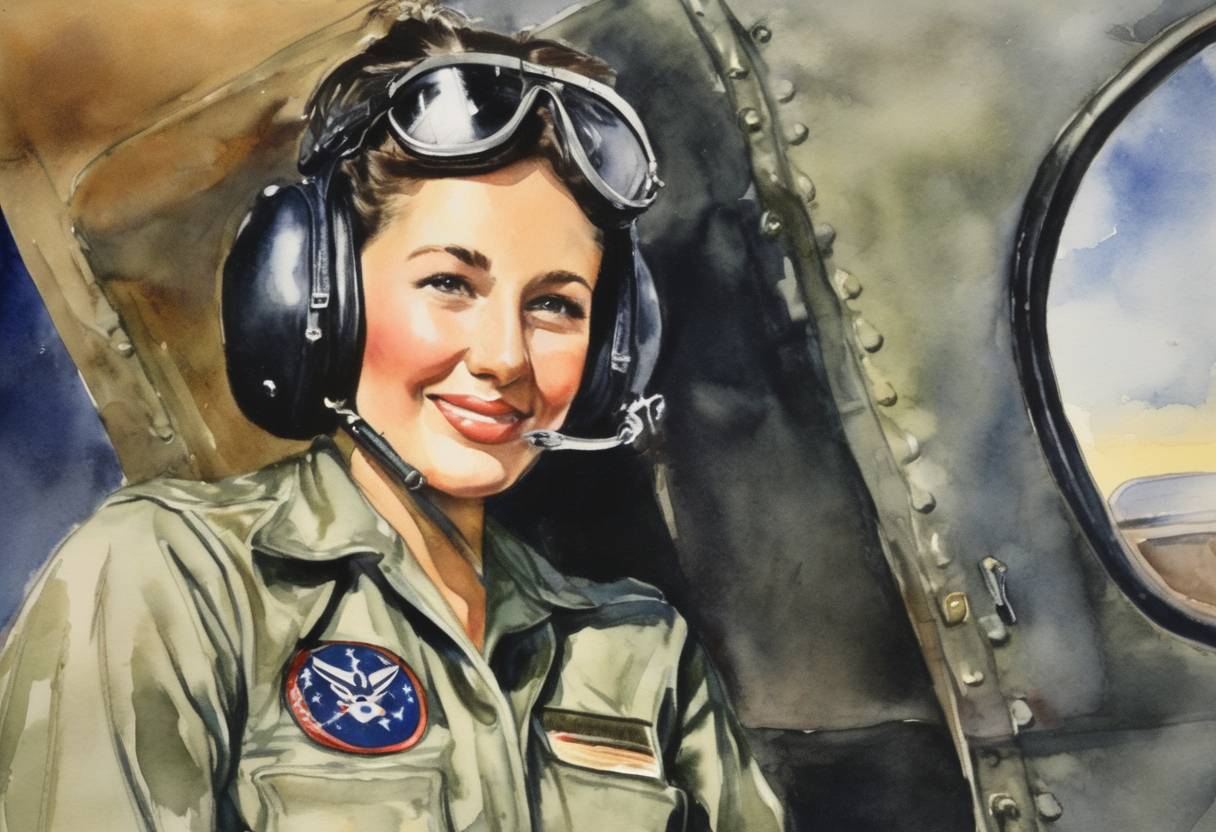
On August 13, 1948, Ann Baumgartner Carl achieved a historic milestone in aviation history by becoming the first woman to complete the United States Air Force pilot’s training program. This accomplishment marked a significant step forward for women’s roles in military aviation.
The involvement of women in the US military aviation began to diversify during World War II, primarily through programs like the Women Airforce Service Pilots (WASP). WASP was a civilian women’s pilot organization, whose members were employed to fly military aircraft under the command of the U.S. Army Air Forces during the conflict, but it was disbanded in December 1944. While WASP helped integrate women into aviation roles, formal military pilot training programs remained closed to women at the time.
Ann Baumgartner Carl, born in 1918 in New Jersey, had a lifelong passion for flying. During World War II, she joined the WASP and became a test pilot, where she notably served as the first American woman to fly a jet aircraft, the Bell YP-59A Airacomet, in 1944. Despite WASP’s disbandment, her dedication and flying skill led her to enter the US Air Force’s training program.
Carl’s achievement in completing the pilot’s training program was more than symbolic; it broke significant gender barriers in the military. This success set a precedent for future generations of women, contributing to the gradual policy changes that would eventually allow women to serve as military pilots in post-war years.
Following her aviation career, Ann Baumgartner Carl authored books recounting her experiences, thereby inspiring many with her pioneering story. Her accomplishments remain a pivotal example of progress in gender equality in military service.
The recognition of her contribution laid groundwork for the eventual policy shift in subsequent decades, as legislation and military policies evolved to integrate women fully into various branches and roles, including combat and piloting, within the armed forces.
Source: www.militaryaviationwomen.org