The Penny Black: The World's First Adhesive Postage Stamp
1840 · London, United Kingdom
The Penny Black, the world's first adhesive postage stamp, was officially issued in the United Kingdom, revolutionizing the postal system.
May 1, 1840
The first official adhesive postage stamp, the Penny Black, became valid for use in the United Kingdom. It featured a portrait of Queen Victoria and revolutionized the postal system by simplifying the process of sending mail.
London, United Kingdom | British Post Office
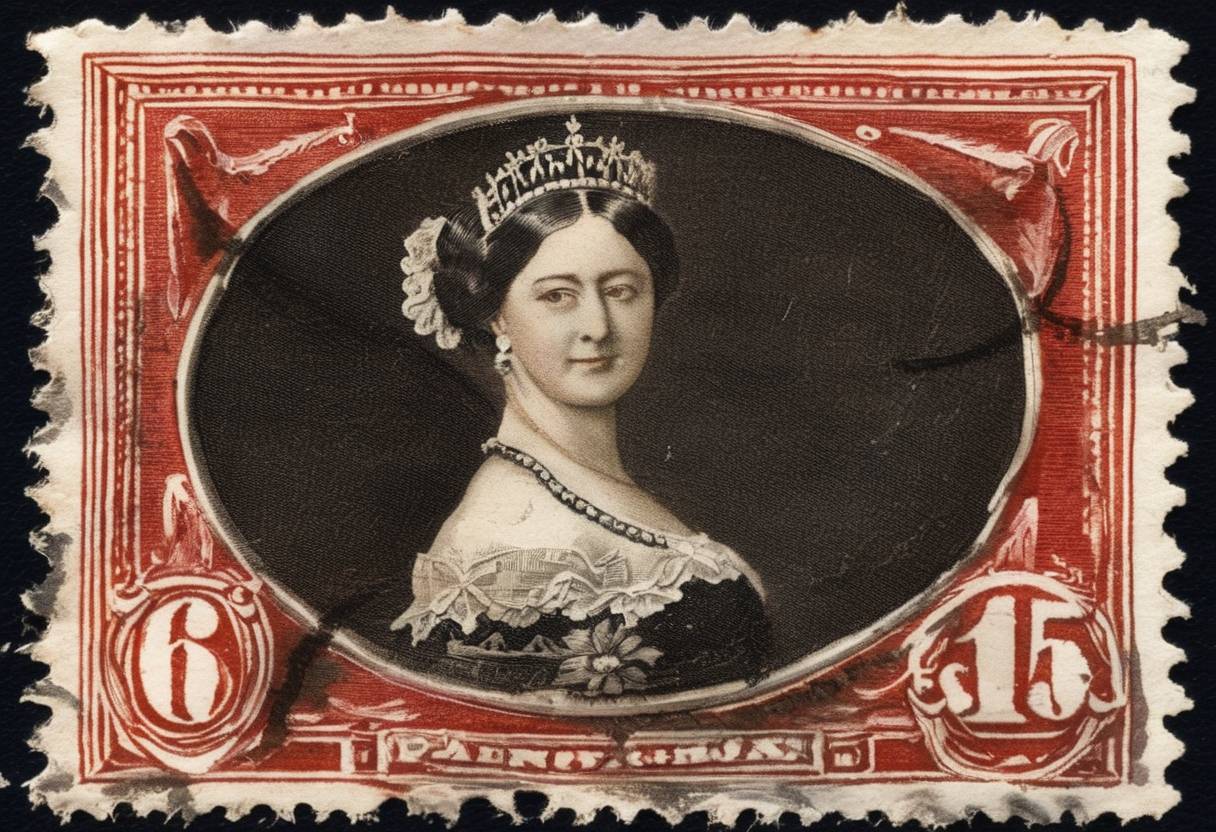
On May 1, 1840, the Penny Black, the world’s first adhesive postage stamp, became valid for use in the United Kingdom. This revolutionary development in the postal system was intended to simplify and streamline the process of sending mail. The Penny Black featured an intricate design showcasing a portrait of Queen Victoria, ensuring it was both functional and a symbol of national pride.
Before the introduction of adhesive postage stamps, the postal system in Britain faced significant inefficiencies. Mail recipients, rather than senders, were charged for the delivery of letters, resulting in a cumbersome and often unreliable service. The Rowland Hill reforms of 1839, which aimed to overhaul this system, eventually paved the way for the creation of the Penny Black stamp.
The Penny Black was designed by Henry Corbould, who engraved the image of Queen Victoria based on a sketch by William Wyon. The stamp was printed in black ink, with the Queen’s profile, inspired by a cameo of the Queen when she was just 15 years old, taking center stage. These stamps were printed on sheets containing 240 examples, each with unique corner letters corresponding to its position on the sheet.
The introduction of the Penny Black marked a significant turning point in both British and global postal history. It allowed prepayment for mail delivery, encouraging more frequent and reliable correspondence while dramatically reducing postal costs. This democratization of communication contributed to increased literacy rates and accelerated economic and social developments.
The Penny Black was followed by the Two Pence Blue soon thereafter and led to the introduction of stamps in many other nations. While the Penny Black itself was only in use for a little over a year, its impact was profound, laying the foundation for modern postal systems worldwide. Today, the Penny Black remains a highly prized collector’s item due to its historical significance and pioneering role in postal history.
Source: en.wikipedia.org