Iranian Presidential Election of June 12, 2009
2009 · Tehran, Iran
The Iranian presidential election was held, leading to widespread protests and allegations of electoral fraud.
June 18, 2021
Iran held its presidential election, resulting in the election of Ebrahim Raisi. Raisi, the head of Iran's judiciary, won by a significant margin in an election marked by low voter turnout and the disqualification of many reformist and moderate candidates.
Tehran, Iran | Iranian government
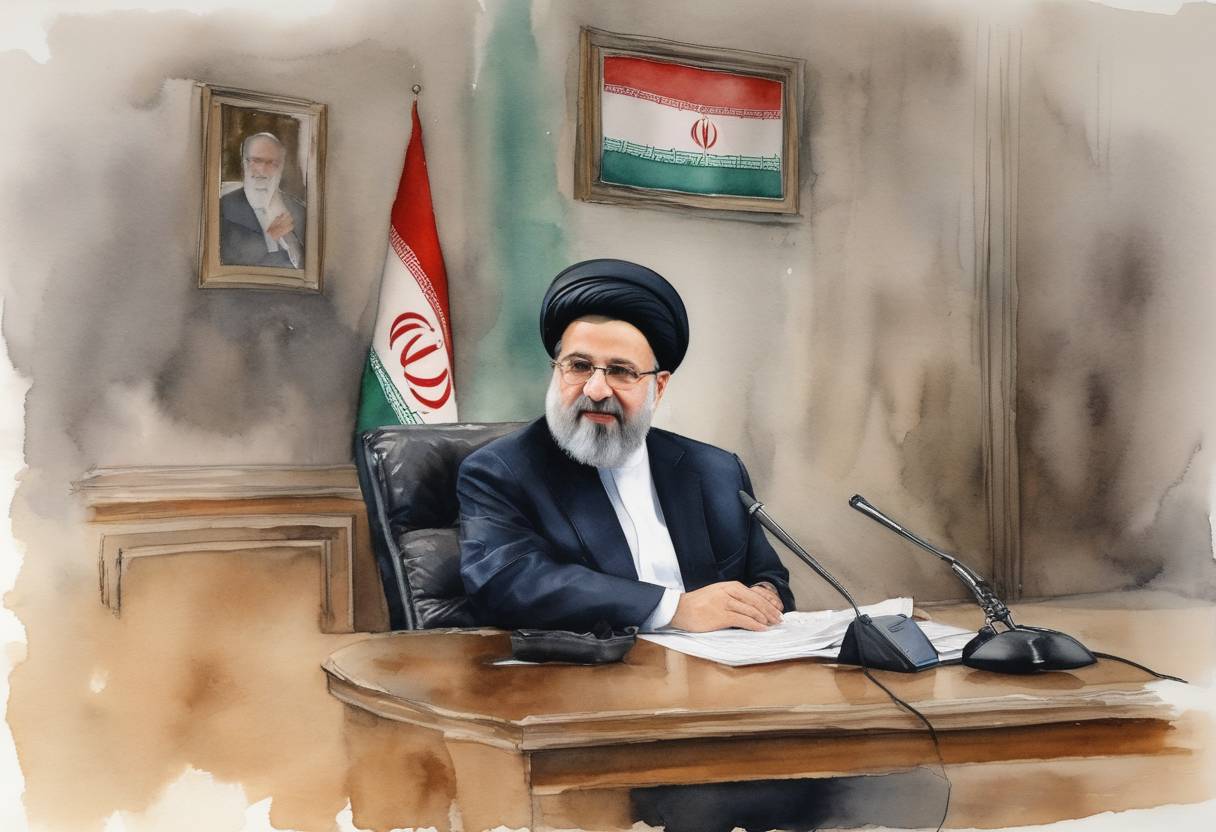
On June 18, 2021, Iran conducted its presidential election, resulting in the victory of Ebrahim Raisi. A significant figure in Iranian politics, Raisi was serving as the head of Iran’s judiciary at the time of the election. His election was notable not only for his longstanding influence within the conservative establishment but also for the political context under which it occurred.
The election was marked by a notably low voter turnout, a reflection of widespread public disillusionment and dissatisfaction with the political process. Official voter turnout was approximately 48.8%, which was the lowest since the 1979 Iranian Revolution. This low turnout was attributed to multiple factors, including economic struggles, the impact of U.S. sanctions, and disillusionment with the political system among the electorate.
One of the most significant controversies surrounding the 2021 election was the disqualification of many reformist and moderate candidates by the Guardian Council, a powerful body responsible for vetting electoral candidates. This council, deeply entrenched in the conservative Islamic leadership and appointed by Supreme Leader Ayatollah Ali Khamenei, either barred or discouraged the participation of potential reformist contenders, effectively narrowing the field to predominantly conservative candidates.
Ebrahim Raisi is a prominent conservative figure with a long history in Iran’s judicial system. He became a well-known public figure after unsuccessfully running for the presidency in 2017 and subsequently being appointed as the chief justice of Iran in 2019. His role in the judicial system, notably during periods of significant political repression, has been subject to international attention and criticism from human rights organizations.
Raisi won the election with about 62% of the vote. His campaign built on promises of fighting corruption, promoting transparency, and easing economic hardships—a message that resonated with many voters despite the controversial electoral environment.
Raisi’s presidency is pivotal as it suggests a potential continuation and reinforcement of conservative policies in Iran, particularly in relations with the West and domestic governance. His administration inherits substantial challenges, including ongoing economic sanctions, regional tensions, and the need for managing the constraints posed by the global COVID-19 pandemic.
In the broader context, Raisi’s election is seen as a consolidation of conservative power in Iran, which poses significant implications for the country’s future direction, both domestically and internationally, especially with the potential impact on the negotiations surrounding the 2015 nuclear deal.
Source: www.bbc.com