Capture of Zawiya: A Turning Point in the First Libyan Civil War
On August 20, 2011, the strategic town of Zawiya was captured by anti-Gaddafi forces during the First Libyan Civil War. This event marked a critical milestone in the rebellion against the rule of Colonel Muammar Gaddafi, as the capture of Zawiya significantly weakened Gaddafi’s hold over the region and paved the way for the advance toward the capital, Tripoli.
Strategic Importance of Zawiya
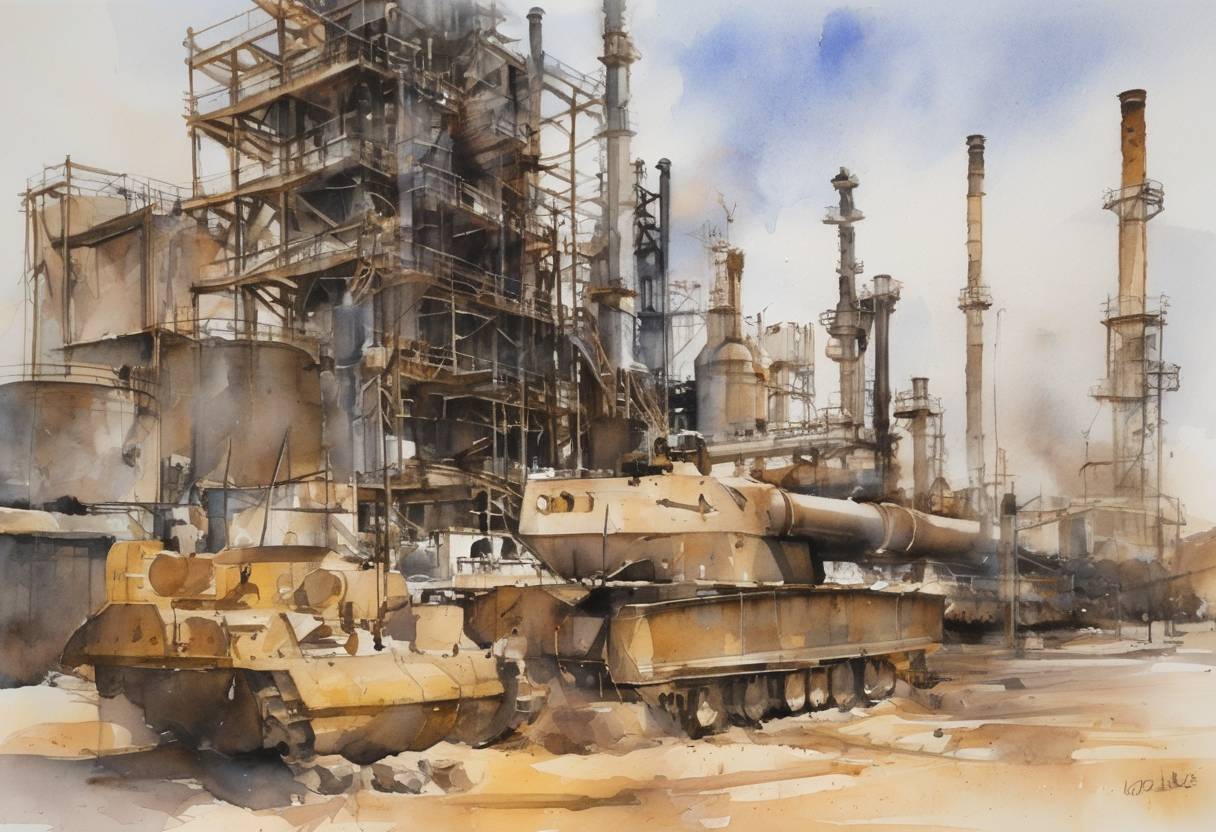
Zawiya is located approximately 48 kilometers (30 miles) west of Tripoli. It was critically important due to its oil refinery, which served as a key source of fuel and revenue for Gaddafi’s forces. The town’s location on the coastal road connecting Tripoli with Tunisia also made it a pivotal logistical hub for the transport of supplies and reinforcements.
Events Leading Up to the Capture
The battle for Zawiya commenced as rebel forces, gaining momentum with widespread support and military assistance from NATO airstrikes, launched an offensive to take control of the city. The fight for Zawiya was intense, with battles characterized by urban warfare and fierce resistance from Gaddafi’s loyalist troops.
In the days leading up to its capture, anti-Gaddafi forces had managed to cut off critical supply routes to Gaddafi’s troops and encircle the town. This siege and the concentrated efforts of the rebels helped force the capitulation of the last pockets of pro-Gaddafi resistance within Zawiya.
Consequences and Aftermath
The fall of Zawiya was more than a tactical victory; it was a major psychological blow to Gaddafi’s regime. It demonstrated the vulnerability of Gaddafi’s forces and emboldened the rebels, bolstering their confidence and international support.
With Zawiya under rebel control, the path to Tripoli was effectively opened. This significant victory accelerated subsequent operations leading to the rebel advance into Tripoli a few days later, which eventually resulted in the collapse of Gaddafi’s government.
Broader Historical Significance
The capture of Zawiya highlighted the shifting balance of power during the Libyan Civil War, emphasizing the capability and resolve of the rebel forces augmented by NATO’s involvement. It underscored the importance of strategic urban centers in dictating the momentum of the civil conflict and served as a critical juncture in the overall liberation process within Libya. The loss of Zawiya thus symbolized a crucial step toward the eventual fall of Gaddafi’s 42-year regime.