The Rwandan Genocide Begins - April 7, 1994
1994 · Kigali, Rwanda
The Rwandan genocide begins, leading to the mass slaughter of Tutsi by Hutu extremists over the next 100 days.
November 22, 2018
Residents of Kigali, Rwanda, started receiving electricity under a new expansion program launched by the government targeting universal access by 2024.
Kigali, Rwanda | Rwandan Government
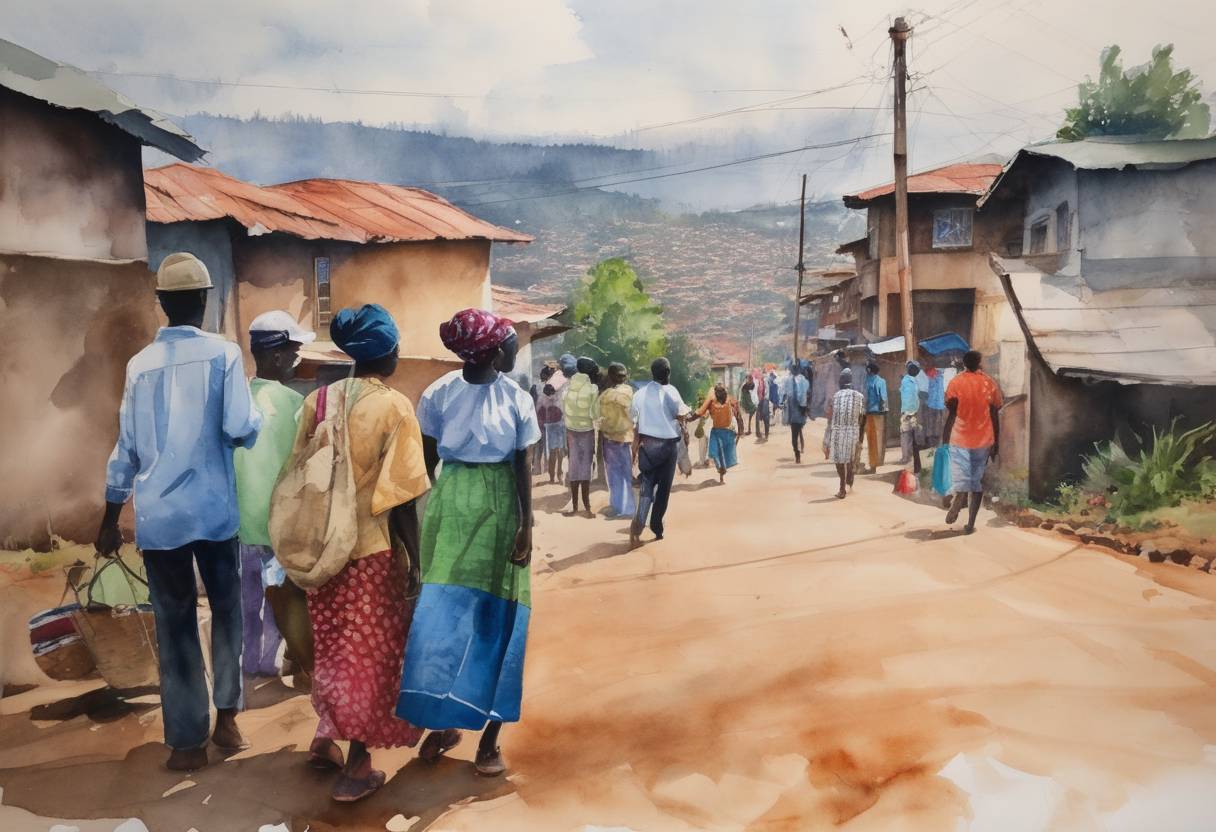
On November 22, 2018, Kigali, the capital city of Rwanda, witnessed a significant milestone in its development journey as residents began receiving electricity as part of a newly launched government expansion program. The initiative aimed to provide universal access to electricity for all Rwandans by the year 2024.
In the wake of the 1994 genocide, Rwanda embarked on numerous development projects to rebuild its infrastructure and economy. By the late 2010s, ensuring universal access to electricity became a crucial part of Rwanda’s national development strategy. This program was designed to foster economic growth, improve quality of life, and facilitate the provision of essential services across the country.
While significant progress was made, challenges such as high cost of infrastructure, maintaining affordability, and extending reach to rural areas persisted. The Rwandan government remained focused on overcoming these hurdles to achieve its goal of universal electricity access by 2024.
The launch of this electricity expansion program not only marked a pivotal moment in Kigali’s history but also underscored Rwanda’s broader aspirations for national development and modernization.
Source: www.reuters.com