Haile Selassie Crowned Emperor of Ethiopia - November 2, 1930
1930 · Addis Ababa, Ethiopia
Haile Selassie was crowned Emperor of Ethiopia.
July 20, 1779
On July 20, 1779, Tekle Giyorgis I was proclaimed Emperor of Ethiopia. His reign, known as the beginning of what would be called the 'Zemene Mesafint' or Era of the Princes, was characterized by the weakening central power and increased regional rule.
Gondar, Ethiopia | Ethiopian Empire
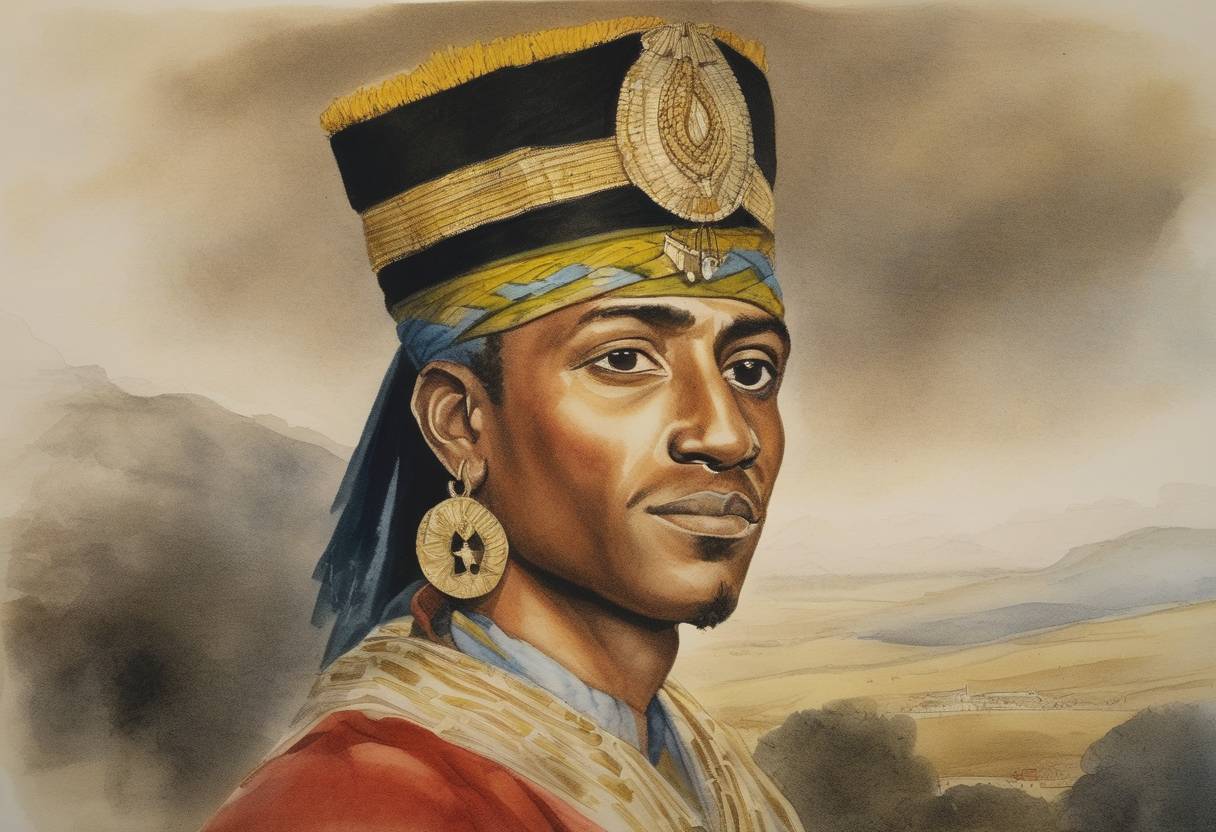
On July 20, 1779, Tekle Giyorgis I was proclaimed Emperor of Ethiopia, marking the onset of a tumultuous period in Ethiopian history known as the Zemene Mesafint, or the “Era of the Princes.” This time was characterized by a significant decentralization of power, with regional warlords, or “Mesafint,” exerting increased influence over the diverse kingdoms that constituted Ethiopia.
The political landscape of Ethiopia prior to Tekle Giyorgis I’s ascension was characterized by fragmentation and diminished central authority. The Solomonic dynasty, which claimed descent from the biblical King Solomon and the Queen of Sheba, had been the ruling dynasty for centuries. However, their hold on power had been weakening. The Ethiopian Empire was rife with internal strife as noble factions and regional rulers contended for power.
Tekle Giyorgis I came to power amidst this backdrop of political instability. His reign was distinctive as the central monarchical authority further eroded. Although he was crowned Emperor, his influence was largely nominal during a time when the power had shifted significantly into the hands of regional rulers. Tekle Giyorgis I was crowned and deposed multiple times throughout his attempts to assert authority, indicative of the volatile nature of Ethiopian politics during this era.
The reign of Tekle Giyorgis I and subsequent emperors during the Zemene Mesafint represented a significant departure from centuries of strong centralized rule. This era concluded in the mid-19th century with the eventual restoration of strong imperial power under Emperor Tewodros II, who began efforts to reunify and modernize Ethiopia.
The proclamation of Tekle Giyorgis I as emperor on July 20, 1779, thus stands as a pivotal moment in Ethiopian history, signaling the shift from centralized monarchy to a loose confederation of regional powers and setting the stage for future reforms. His ascension and the struggles during his reign remain emblematic of the challenges faced by dynastic rule in a period marked by significant societal and political changes.
Source: en.wikipedia.org