The Opening of the Liverpool and Manchester Railway: September 15, 1830
1830 · Liverpool, United Kingdom
The Liverpool and Manchester Railway, the world's first inter-city railway, opened.
October 28, 1848
The first railway in Spain known as the Barcelona-Mataró Railway was inaugurated.
Barcelona, Spain | Barcelona-Mataró Railway
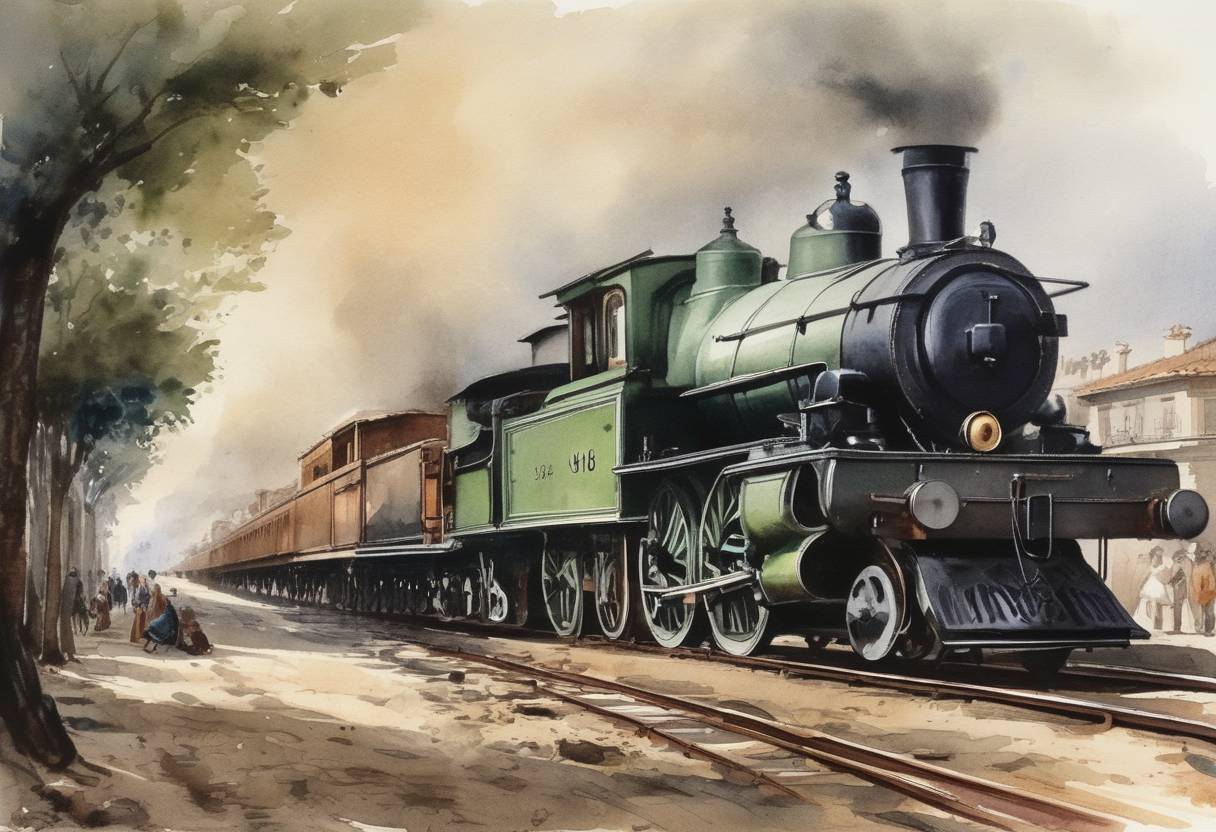
On October 28, 1848, Spain witnessed a landmark event in its industrial history with the inauguration of the Barcelona-Mataró Railway. This railway was notable as the first line in Spain, marking the country’s entry into the railway age.
The project was driven by the efforts of the Catalan entrepreneur Miquel Biada, who, after spending time in Cuba, realized the potential benefits of railways for Spain’s burgeoning industrial economy. Biada, along with other investors, organized a company to facilitate the development of the railway infrastructure necessary to connect Barcelona with Mataró, a coastal city approximately 30 kilometers away. The establishment of this line emerged as a strategic commercial route, crucial for improving the movement of goods and people along the Catalonia coast.
Construction began with significant technical and financial support from British engineers, a common practice during the era, given Britain’s leadership in railway technology. The line stretched approximately 28.4 kilometers and featured a track gauge of six English feet or roughly 1,676 millimeters, known as the Iberian gauge, which remains standard in Spain and broader Iberia today.
The inaugural ceremony was a grand affair, drawing in a large crowd that included local dignitaries, officials, and businessmen who were eager to witness this transformative event. The first train journey took place on the same day of the inauguration, with the journey covering the scenic route between Barcelona and Mataró in approximately 35 minutes—a significant improvement over the travel times by road at the time.
The opening of the Barcelona-Mataró line marked the beginning of Spain’s railway era, acting as a catalyst for rapid industrialization and economic growth in the region. Over the ensuing decades, the railway network expanded substantially, contributing to the integration of regional economies within Spain and fostering greater connectivity across Europe.
The success of the railway also demonstrated the viability and benefits of combining local entrepreneurship with foreign technological expertise, setting a precedent for future industrial projects within the nation. As such, the Barcelona-Mataró Railway is often celebrated as a milestone in the modernization of Spain’s transportation infrastructure.
The lasting legacy of the Barcelona-Mataró Railway lies not only in its immediate effects on transportation but also in its symbolic representation of progress and innovation during a pivotal era of Spain’s history. This event played a crucial role in shaping the trajectory of Spanish economic and industrial development in the 19th century and beyond.
Source: en.wikipedia.org