Trajan Becomes Roman Emperor: January 27, 98 AD
98 · Rome, Roman Empire
Trajan becomes Roman Emperor, succeeding Nerva.
December 17, 0497
The first Saturnalia festival was celebrated, a popular Roman festival dedicated to the Roman god Saturn, characterized by festivities and role reversals between slaves and masters.
Rome, Italy | Roman Empire
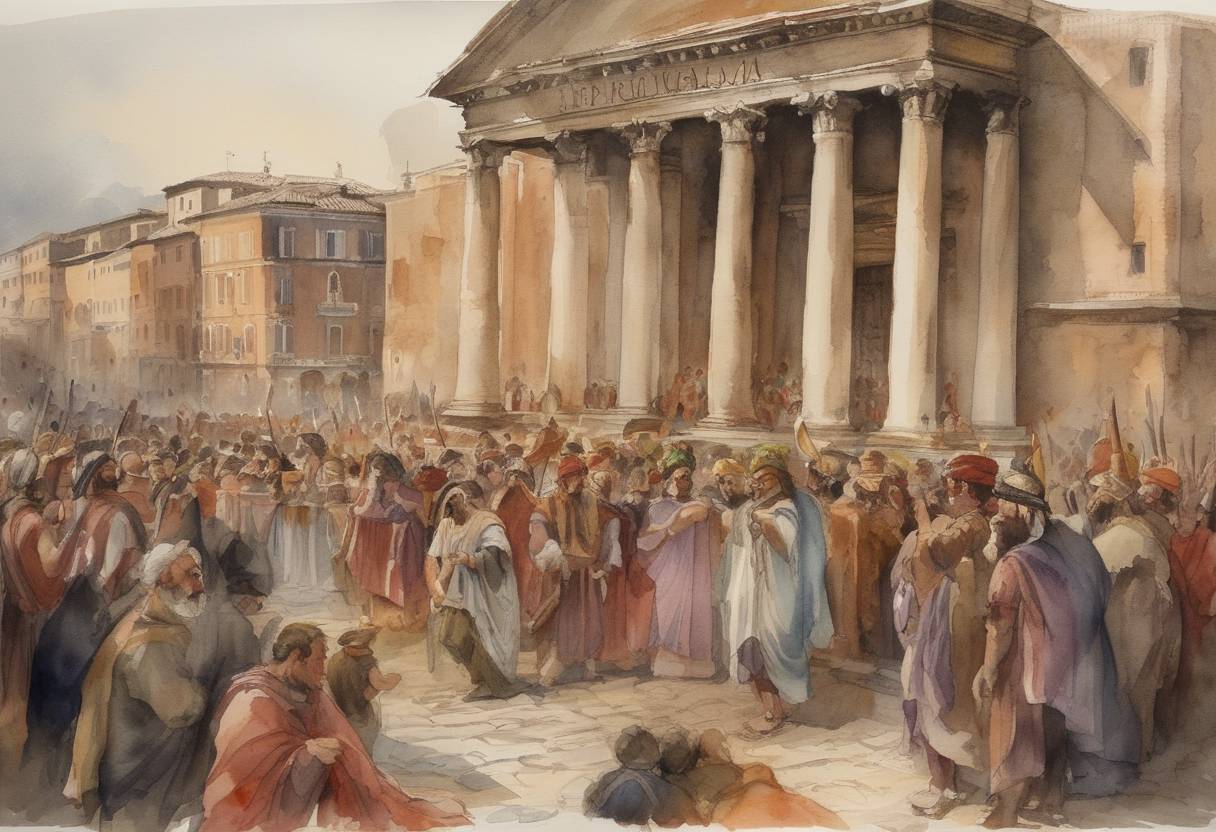
The Saturnalia festival, celebrated for the first time on December 17, 497 BCE, was a significant event in Roman culture dedicated to Saturn, the Roman god of agriculture and time. According to historical records from Macrobius and others, this jubilant festival marked the dedication of the Temple of Saturn in the Roman Forum and was one of the most anticipated times of the year for Romans.
Date and Duration: Initially celebrated on December 17, Saturnalia eventually expanded into a multi-day event, lasting up to seven days, incorporating various social and religious customs.
Religious Practices: Festivities began with a public ritual at the Temple of Saturn. Participants offered sacrifices and engaged in the compitalia, a neighborhood festival that honored the Lares, household deities connected to Saturn.
Social Role Reversals: One of the most distinctive aspects of Saturnalia was the temporary inversion of traditional social roles. During this period, societal norms were relaxed; slaves enjoyed freedoms typically reserved for their masters, and often, they were served by their owners. This role reversal reflected the festival’s thematic embrace of chaos and equality.
Public and Private Celebrations: Saturnalia included public banquets and games, while private families celebrated with feasting, gift-giving (often of small tokens or figurines called sigillaria), and candle lighting. These activities symbolized the return of light and the longer days following the winter solstice.
Carnival Atmosphere: The festival was marked by a carnival-like atmosphere, filled with merriment and revelry. It encouraged indulgence, relaxation of social mores, and the suspension of political disputes. The phrase “Io Saturnalia!” was commonly shouted in greeting, echoing the enjoyment and mutual goodwill.
Saturnalia was a precursor to later traditions, influencing how the Roman calendar evolved and intersecting with other winter holiday practices. Its role-reversing nature and communal festivities highlighted the values of unity and social balance, offering a temporary escape from the rigid structures of Roman society. The festival’s elements can still be seen in modern winter celebrations, reflecting its enduring cultural impact.
Source: en.wikipedia.org