Molucca Sea Earthquake - September 30, 2019
2019 · Ambon, Indonesia
A powerful earthquake struck the Molucca Sea in Indonesia, causing significant damage and resulting in casualties.
September 30, 2009
A 7.6 magnitude earthquake strikes near the city of Padang in Indonesia, causing significant loss of life and widespread damage.
Padang, Indonesia | Government of Indonesia
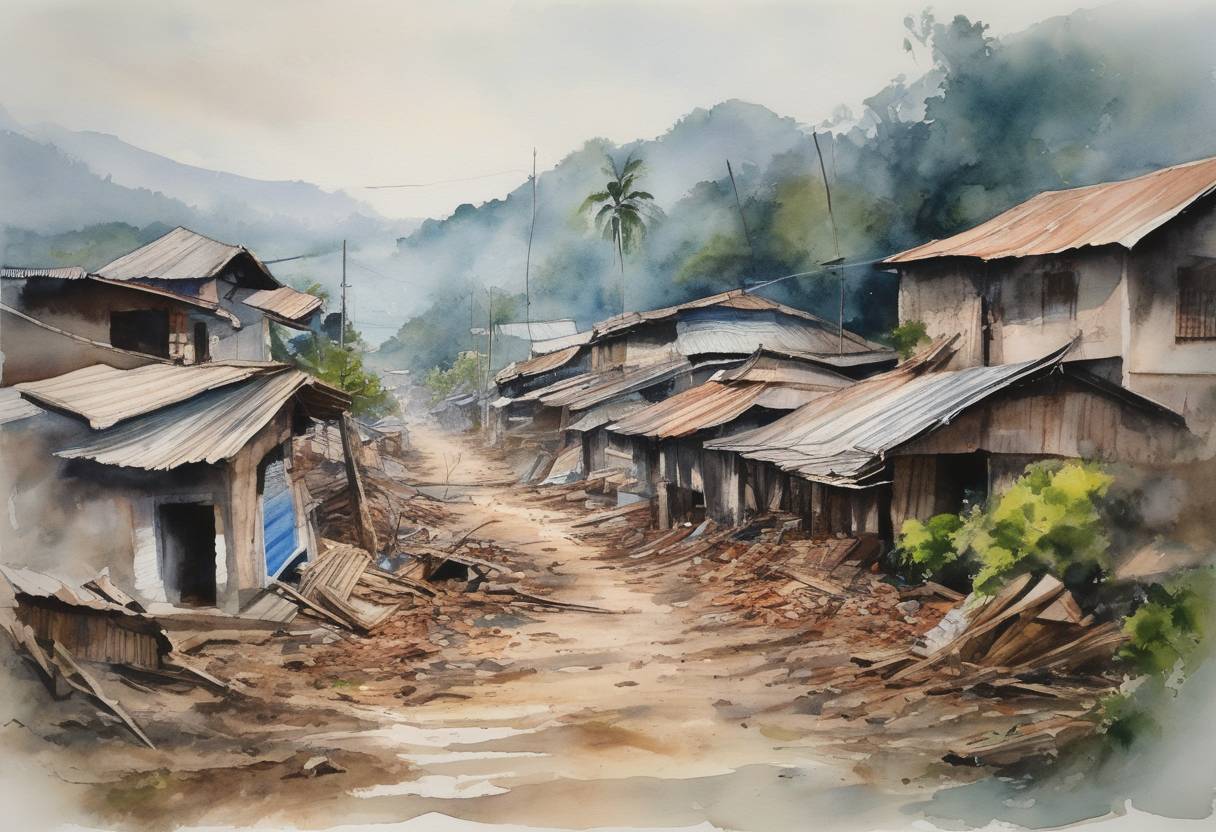
On September 30, 2009, a devastating earthquake with a magnitude of 7.6 struck near the city of Padang, located on the western coast of Sumatra, Indonesia.
The earthquake’s epicenter was approximately 45 kilometers northwest of Padang, at a depth of about 87 kilometers beneath the sea floor. This region is part of the highly seismic Pacific “Ring of Fire,” characterized by active volcanoes and frequent earthquakes due to tectonic plate movements.
In the aftermath, rescue operations were swiftly launched, involving both local and international efforts. Emergency services faced challenges due to debris-blocked roads and damaged infrastructure. The Indonesian government, alongside international aid organizations, coordinated the distribution of essential supplies like food, water, and medical care to affected populations.
Multiple aftershocks followed, including a significant 6.6 magnitude tremor which compounded the anxiety and difficulty for relief operations. This series of geological events underscored the vulnerability of the region to seismic activities.
The 2009 Padang earthquake highlighted the urgent need for improved earthquake preparedness and robust infrastructure in earthquake-prone regions. It led to increased focus on building resilience against natural disasters, both in terms of infrastructure and community readiness.
In the years that followed, Indonesia worked on enhancing its disaster management protocols and strengthening building codes to mitigate future earthquake risks. The events of this day served as a poignant reminder of the destructive potential of natural disasters and the importance of global cooperation in disaster response and preparedness.
This incident remains deeply etched in the memory of those who survived and serves as a critical case study for disaster management worldwide.
Source: en.wikipedia.org