Recapture of Aleppo: December 7, 2016
2016 · Aleppo, Syria
The Syrian Army, backed by Russian forces, recaptures the city of Aleppo from rebel groups, marking a turning point in the Syrian Civil War.
September 30, 2015
Russia begins its military intervention in the Syrian Civil War, conducting its first airstrikes against anti-government forces.
Damascus, Syria | Russian Armed Forces
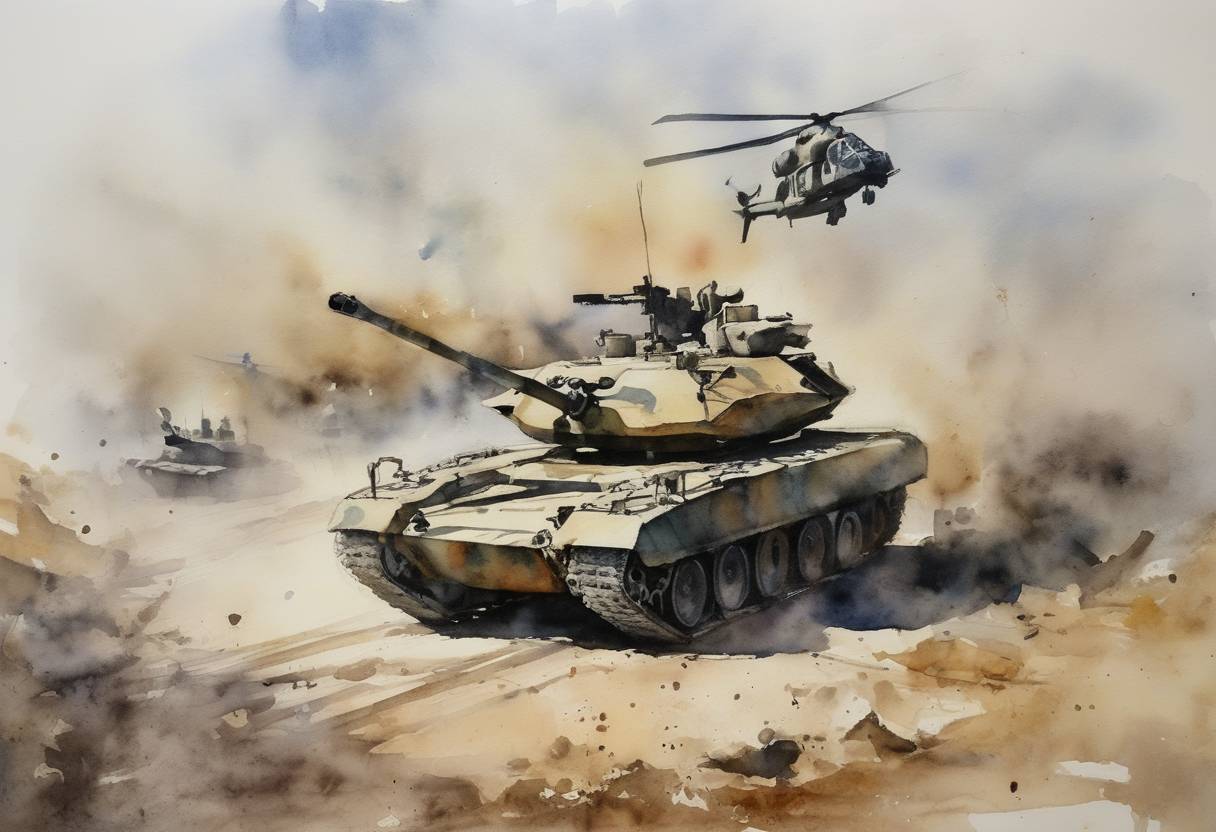
On September 30, 2015, Russia formally commenced its military intervention in the Syrian Civil War, marking a significant escalation in the conflict. This intervention began with the Russian Air Force conducting its first airstrikes against targets in Syria. The airstrikes targeted anti-government forces in the country, ostensibly to support the Syrian government led by President Bashar al-Assad.
The Syrian Civil War, which began in 2011, had drawn in various international players, each supporting different factions. By 2015, the conflict had become a complex proxy war, involving various groups such as the Syrian Government, opposition forces, ISIS, and Kurdish factions, along with their respective international supporters.
Before Russia’s direct involvement, the Assad regime was experiencing significant pressures from opposition forces, and its control over key territories was diminishing. Russia, a long-time ally of Syria and Assad, had maintained significant diplomatic and military ties with the Syrian government.
For Russia, the intervention was motivated by several factors:
The first wave of airstrikes was reportedly launched on opposition groups, including those opposed to ISIS. Russia claimed these groups were terrorist factions, although Western and regional observers criticized this approach, contending that it predominantly targeted groups opposed to Assad rather than ISIS.
Russia’s involvement stirred international debate and concern. Critics, including the United States and its allies, accused Russia of bolstering Assad under the guise of fighting terrorism, while often sparing ISIS targets. Human rights organizations raised concerns about the civilian toll of the Russian air campaign.
The Russian intervention had significant implications for the Syrian Civil War:
Russia’s military intervention in Syria reshaped not only the Syrian conflict but also the geopolitical landscape, highlighting the complexities of international alliances and the dynamics of intervention in civil wars.
Source: www.bbc.com