Google is Founded: September 27, 1998
1998 · Menlo Park, United States
Google is founded by Larry Page and Sergey Brin, two Ph.D. students at Stanford University.
December 13, 2018
Sundar Pichai, CEO of Google, testified before the U.S. House Judiciary Committee amid concerns about privacy and data security.
Washington D.C., United States | Google
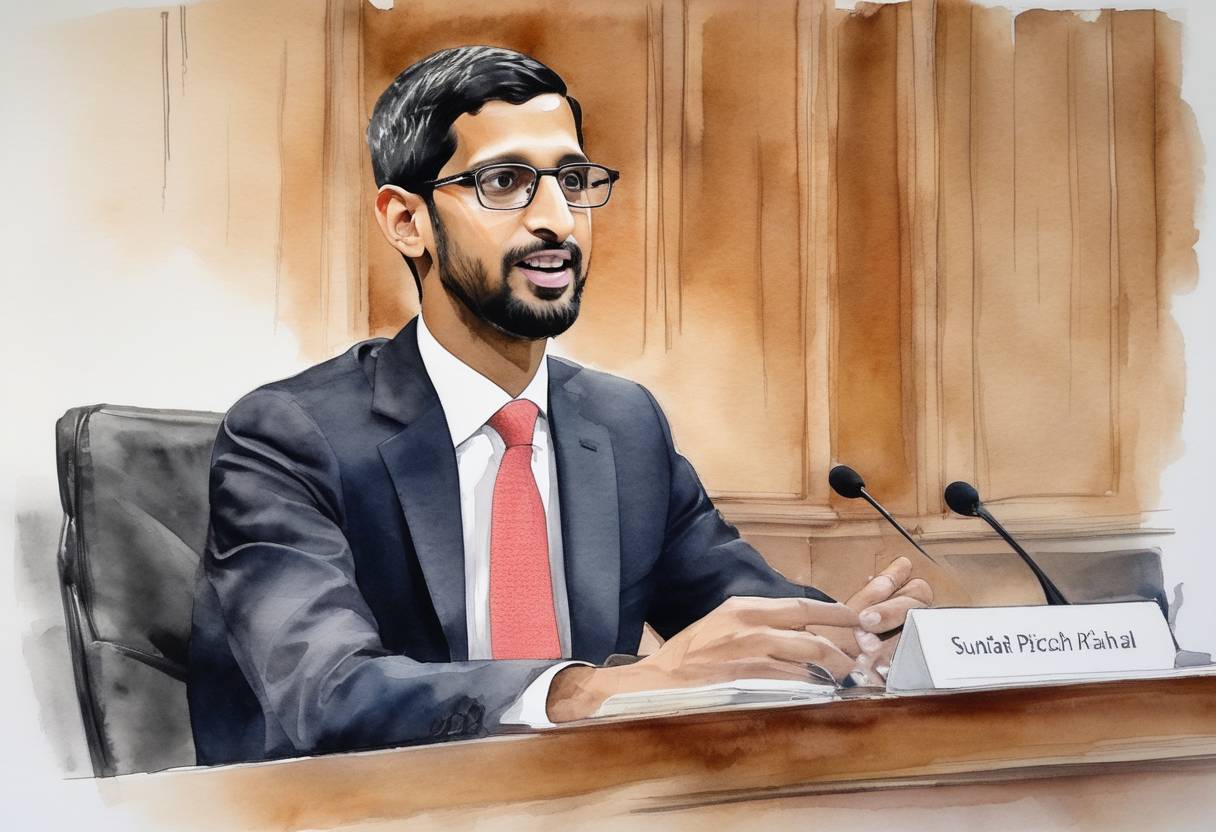
On December 13, 2018, Sundar Pichai, the CEO of Google, appeared before the U.S. House Judiciary Committee to address a variety of concerns centered around privacy, data security, and allegations of political bias in Google’s search results. This testimony was part of broader discussions within the U.S. political sphere about the influence and operations of major technology companies.
In the years leading up to Pichai’s testimony, Google faced increasing scrutiny over its handling of user data and transparency in algorithmic processes. Concerns particularly intensified due to allegations that Google’s search algorithms might favor certain political ideologies over others. Additionally, high-profile data breaches and privacy issues across the tech industry prompted calls for tighter regulations.
Privacy and Data Security: Pichai assured the committee that Google prioritizes user privacy and data security. He detailed measures the company has implemented to protect user information and enhance transparency. These measures included controls for users to manage their data and clear explanations of data usage policies.
Algorithmic Neutrality: A prominent topic during the hearing was the accusation that Google manipulates search results to exhibit political bias. Pichai firmly denied these claims, asserting that Google’s algorithms are designed to rank websites based on relevance, using objective metrics that do not include considerations of political leanings.
China and Project Dragonfly: Although not originally the primary focus, discussions also touched upon Google’s development of a censored search engine for China, known as Project Dragonfly. Pichai admitted the project was in the exploratory phase but emphasized the company’s commitment to user privacy and ethical concerns.
Pichai’s testimony marked a significant moment in the ongoing dialogue between tech companies and government officials regarding regulation, privacy, and the impact of digital technologies on democracy. It highlighted the complexities tech giants face in balancing corporate strategies with ethical responsibilities.
Ongoing discussions following this testimony have led to increased advocacy for comprehensive data privacy laws in the United States and more stringent regulatory frameworks for tech companies. The hearing underscored the need for greater accountability among technology leaders and companies regarding user data protection and transparent business practices.
This event exemplified the growing need for dialogue between lawmakers and technology companies as digital technologies become irrevocably intertwined with daily life and governance.
Source: www.wired.com