World's First Telephoned Performance at the Théâtre de l'Opéra
1881 · Paris, France
The world's first telephoned performance takes place at the Théâtre de l'Opéra in Paris.
November 30, 1886
The Folies Bergère theater in Paris, France, is converted into a music hall to expand its entertainment offerings beyond plays and operas to variety performances, contributing significantly to the popularity and development of music halls in Europe.
Paris, France | Folies Bergère
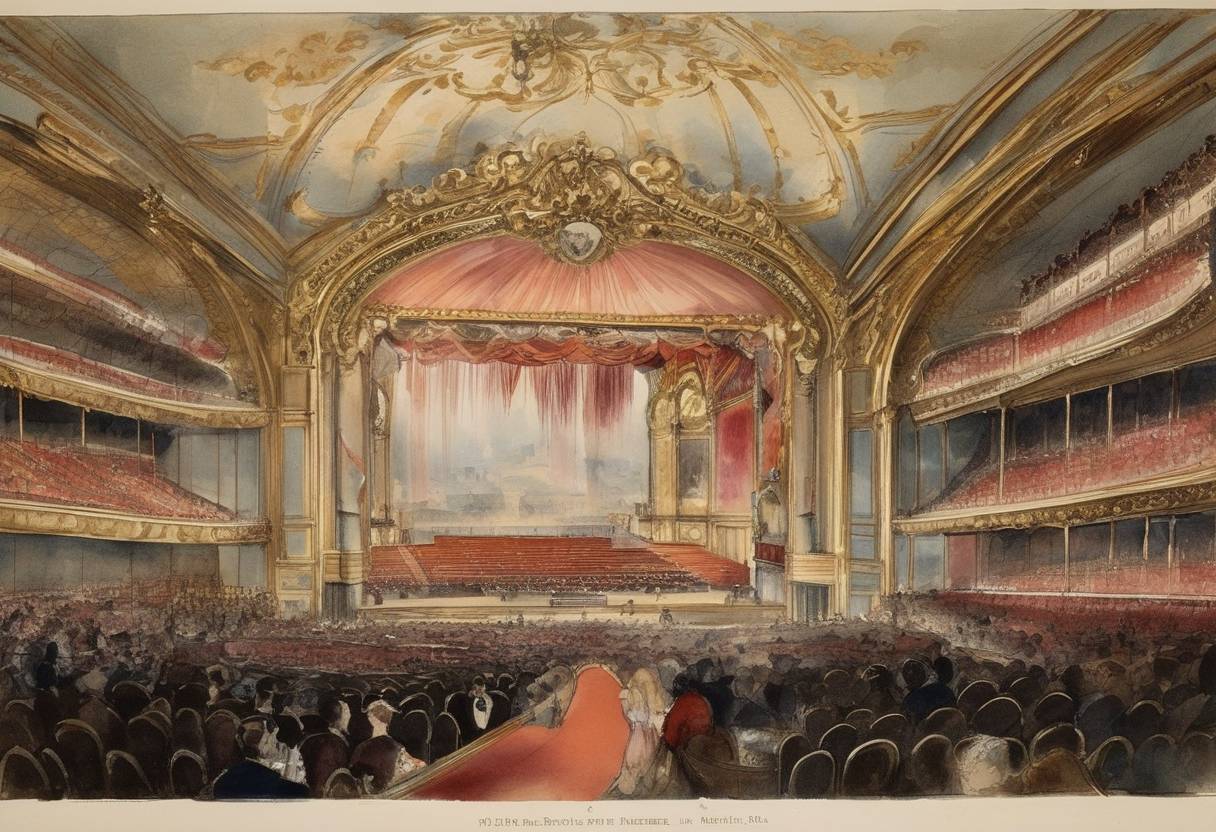
On November 30, 1886, the Folies Bergère in Paris transformed from a traditional theater into a music hall, marking a significant evolution in European entertainment. Originally opened in 1869 as the “Folies Trévise,” named after the nearby rue de Trévise, it was initially a venue for operas and plays. By 1872, it adopted the name “Folies Bergère,” referencing the rue Bergère.
The conversion in 1886 allowed the Folies Bergère to offer variety performances, including music, comedy, dance, and acrobatics. This marked a shift away from the highbrow cultural pursuits of its earlier years, embracing a wider array of acts such as:
The Folies Bergère’s transformation played a pivotal role in the rise of music halls across Europe. It mirrored a broader cultural shift as entertainment became more accessible to the masses rather than an elite activity. Music halls became destinations for social gathering and a night out, fundamentally changing the landscape of European entertainment.
The conversion of the Folies Bergère was not just about expanding entertainment options; it signaled a democratization of cultural institutions. It served as a precursor to modern entertainment venues, fostering a legacy that encouraged artistic experimentation and cultural expression in a public forum.
The transformation in 1886 helped solidify the Folies Bergère’s reputation as a Parisian icon and trendsetter in live entertainment, influencing the format and popularity of music halls throughout Europe well into the 20th century.
Source: en.wikipedia.org