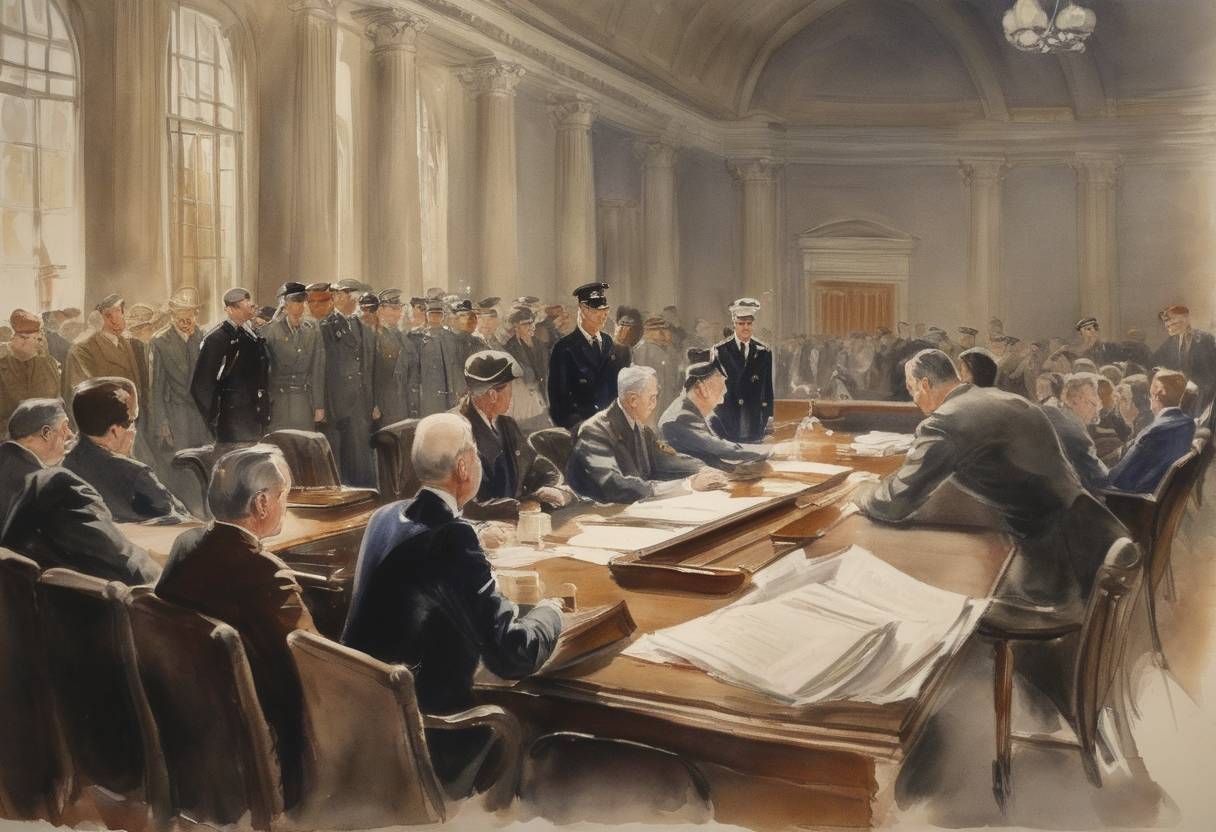
The First Peacetime Draft in U.S. History: October 16, 1940
On October 16, 1940, the United States government executed the first peacetime draft in its history under the Selective Training and Service Act of 1940. This landmark legislation, signed into law by President Franklin D. Roosevelt on September 16, 1940, marked a significant shift in American military policy and preparation as the world was on the brink of World War II.
Background
The Selective Training and Service Act of 1940 was enacted in response to increasing global tensions and the outbreak of World War II in Europe. As Nazi Germany’s aggression expanded across the continent, there was a growing recognition within the U.S. government of the need to bolster national defense. Despite the United States’ official position of neutrality, the possibility of involvement in the conflict necessitated a ready and trained military force.
Implementation
The draft registration on October 16, 1940, required all men between the ages of 21 and 45 to register for military service. This day resulted in an unprecedented element of national mobilization, impacting millions of American households. Local draft boards were established around the nation to handle the logistics involved in the registration and selection processes.
The Process
After registering, individuals were subjected to a lottery system, which was instituted to ensure a fair and unbiased selection of conscripts. The lottery numbers were drawn by Secretary of War Henry L. Stimson in a process that was publicized to ensure transparency and build public trust in the system. Those selected were required to serve for 12 months, which was later extended as the war evolved.
Significance
The introduction of a peacetime draft was a critical step in securing the U.S. military’s readiness. It also represented a broader acceptance of federal intervention in times of potential conflict and reflected a shift in public sentiment towards a more engaged American foreign policy stance.
Aftermath
The draft successfully raised an initial army of approximately 900,000 men for training. As the global conflict expanded, the draft continued to be a vital component of U.S. military strategy, ultimately playing a crucial role when the United States entered World War II after the attack on Pearl Harbor on December 7, 1941.
The Selective Training and Service Act of 1940 and the subsequent draft laid the groundwork for the U.S. military’s expansion and were pivotal in shaping the nation’s military policies throughout the 20th century.