Napoleon's Retreat from Moscow: October 19, 1812
1812 · Moscow, Russia
Napoleon Bonaparte begins his retreat from Moscow after a failed invasion of Russia, marking a turning point in the Napoleonic Wars.
September 18, 1812
In the Battle of Borodino, which occurred earlier, Napoleon's Grand Army encountered severe resistance from Russian forces. By September 18, 1812, as part of his Russian campaign, Napoleon entered Moscow, which was largely abandoned and on fire.
Moscow, Russia | French Army
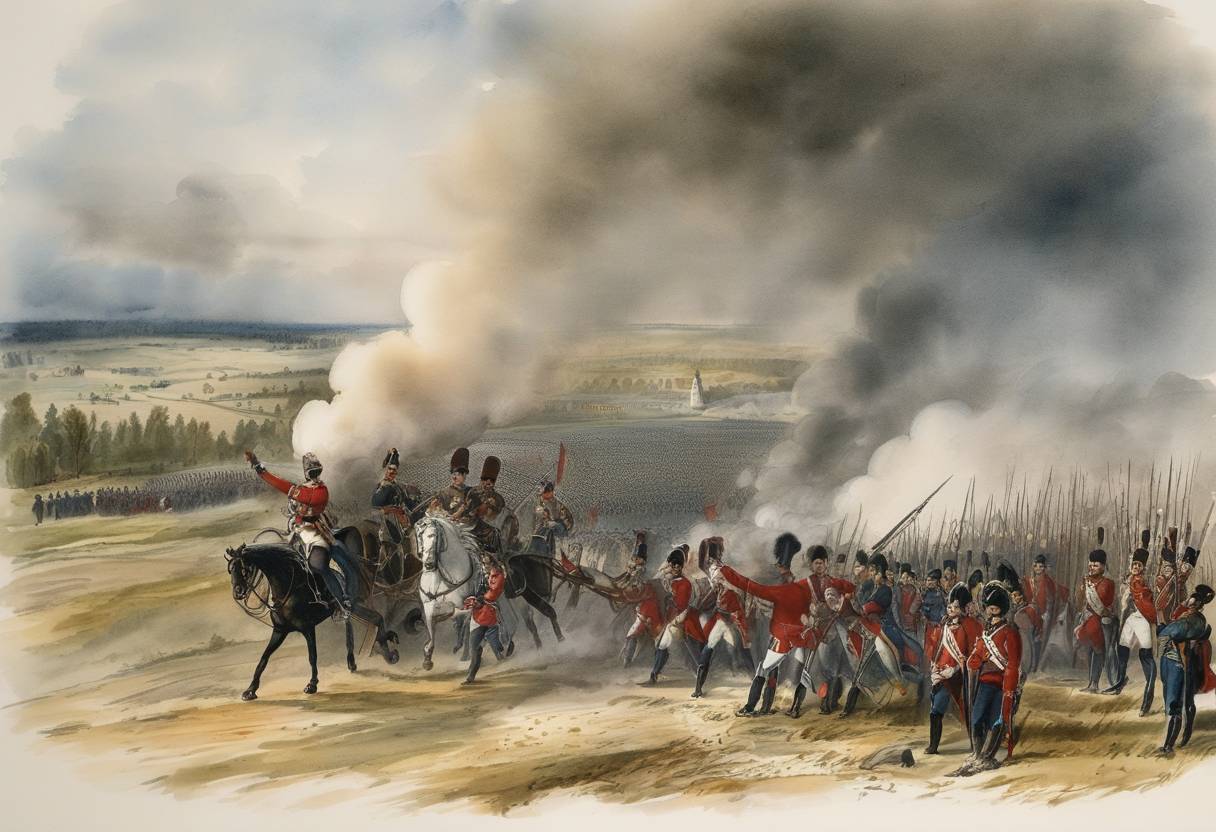
On September 18, 1812, following the Battle of Borodino, Napoleon Bonaparte’s Grand Army entered Moscow. The Russian campaign, which began in June 1812, was part of Napoleon’s strategy to compel Tsar Alexander I to cease trading with British merchants as part of the Continental System, aimed at weakening Britain through economic isolation.
Napoleon’s invasion of Russia was initially marked by a series of victories against the Russian forces, culminating in the Battle of Borodino on September 7, 1812. This battle was the largest and bloodiest single-day action of the Napoleonic Wars, with massive casualties on both sides and no decisive victor. Despite the lack of a clear win, it allowed Napoleon to advance towards Moscow.
Upon arriving in Moscow, Napoleon found the city abandoned. Under orders from the Russian military governor Count Fyodor Rostopchin, much of the civilian population evacuated, and as part of a scorched earth strategy, fires broke out. These fires were initially believed to be set by retreating Russian troops or arsonists left behind. Over several days, the fires destroyed large parts of the city, turning Moscow into a trap rather than a prize.
The capture of Moscow, initially perceived as a strategic victory, quickly turned into a logistical and moral hardship for the French. The harsh conditions and lack of supplies led to demoralization and exacerbated difficulties in sustaining the Grand Army. Napoleon waited in vain for a Russian surrender, which never came. As winter approached and supplies dwindled, Napoleon finally ordered a retreat in October 1812. This retreat marked the beginning of a disastrous withdrawal that decimated his forces due to cold, starvation, and Russian guerilla attacks, significantly weakening the Napoleonic Empire.
Napoleon’s Russian campaign and the subsequent retreat from Moscow have been studied as classic examples of military overreach and the perils of underestimating logistical and environmental challenges. The events also significantly contributed to the eventual downfall of Napoleon, as they rallied opposition across Europe to form a new coalition against him, ultimately leading to his abdication in 1814.
Source: en.wikipedia.org