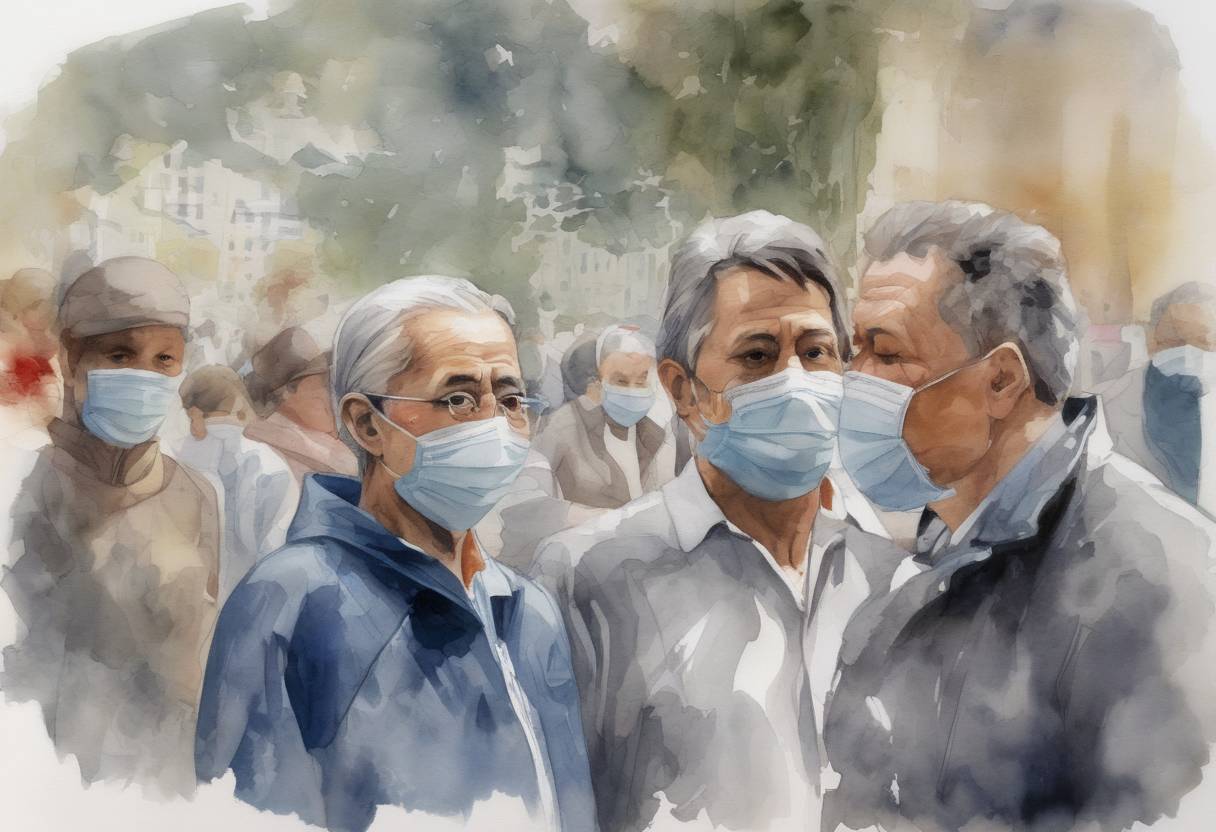
The H1N1 Influenza Pandemic Declaration: June 11, 2009
On June 11, 2009, the World Health Organization (WHO) officially declared the H1N1 influenza outbreak a global pandemic. This marked the first global flu pandemic in 41 years, since the Hong Kong flu of 1968. The declaration came after the virus, commonly referred to as “swine flu,” spread rapidly across multiple continents, affecting a significant number of countries.
Background
The H1N1 influenza virus was first identified in April 2009 in Mexico and the United States. It was a novel strain of the influenza virus, combining genes from human, swine, and avian influenza viruses. The initial outbreak in Mexico led to widespread concern due to the number of severe cases and fatalities.
Key Events Leading to the Declaration
Rapid Spread: By early June 2009, the H1N1 virus had spread to 74 countries, with over 28,000 confirmed cases and 144 deaths. The widespread transmission and the sustained human-to-human spread were critical factors in the WHO’s decision.
WHO’s Pandemic Alert System: The WHO uses a six-phase alert system to classify the stages of a pandemic. Prior to the declaration, the alert level was at Phase 5, indicating widespread human infection. The move to Phase 6, the highest level, signified that a global pandemic was underway.
Global Response: Countries around the world began implementing measures to contain the virus, including travel advisories, public health campaigns, and the development of vaccines.
The Declaration
On June 11, 2009, Dr. Margaret Chan, the Director-General of the WHO, announced the pandemic status in a press conference. She emphasized the need for countries to remain vigilant and prepared, while also reassuring the public that the majority of cases were mild and that the world was better prepared than ever to handle a pandemic.
Aftermath and Consequences
Vaccination Efforts: Following the declaration, efforts to develop and distribute a vaccine were accelerated. By late 2009, vaccines were available and distributed worldwide, significantly aiding in the control of the virus.
Public Health Measures: Countries implemented various public health measures, including social distancing, school closures, and public awareness campaigns to mitigate the spread of the virus.
Impact on Healthcare Systems: The pandemic put a strain on healthcare systems globally, highlighting the need for robust pandemic preparedness plans.
Mortality and Morbidity: The H1N1 pandemic resulted in an estimated 151,700 to 575,400 deaths worldwide, according to the CDC. The majority of fatalities occurred in individuals under the age of 65, which was atypical for influenza outbreaks.
Broader Historical Significance
The H1N1 pandemic of 2009 underscored the importance of global cooperation in managing infectious diseases. It also highlighted the need for continuous surveillance, rapid response capabilities, and the development of vaccines and antiviral drugs. The lessons learned from the H1N1 pandemic have informed public health strategies and pandemic preparedness plans in subsequent years, including responses to the COVID-19 pandemic.
In conclusion, the declaration of the H1N1 influenza outbreak as a global pandemic on June 11, 2009, was a pivotal moment in public health history, demonstrating both the challenges and the capabilities of the global community in addressing widespread infectious diseases.