The Establishment of the United States Air Force: September 18, 1947
1947 · Washington, D.C., United States
The United States Air Force becomes an independent branch of the U.S. military.
December 17, 1969
The United States Air Force closed its Project Blue Book, concluding that there was no evidence of extraterrestrial life behind UFO sightings.
Washington, D.C., United States | United States Air Force
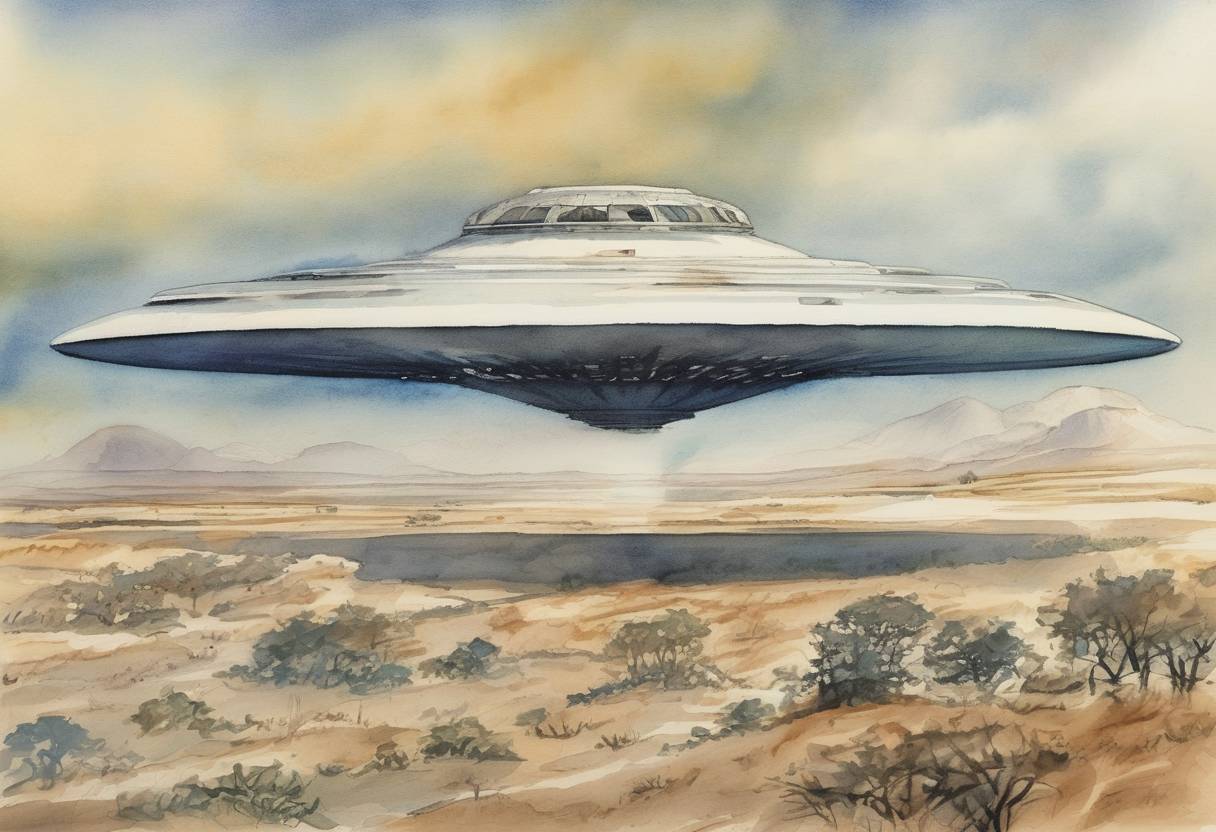
On December 17, 1969, the United States Air Force officially closed Project Blue Book, marking the end of a significant chapter in the investigation of unidentified flying objects (UFOs). This project had been the Air Force’s systematic study of UFOs, initiated in 1952, and was the third such program following Projects Sign and Grudge.
Project Blue Book was established during a period of heightened public interest and concern about UFOs, partly fueled by the Cold War context and the potential for unidentified aerial phenomena to pose a national security threat. The project was headquartered at Wright-Patterson Air Force Base in Ohio and was tasked with two primary objectives:
Over its 17 years of operation, Project Blue Book investigated over 12,000 UFO sightings and reports. The project was led by a series of directors, with Captain Edward J. Ruppelt being one of the most notable for his efforts to bring scientific rigor to the investigations.
Upon its closure, Project Blue Book concluded that:
These conclusions were based on the analysis of the data collected over the years, which often attributed sightings to misidentifications of natural phenomena, conventional aircraft, or other explainable sources.
The closure of Project Blue Book did not end public interest or speculation regarding UFOs and extraterrestrial life. In fact, it laid the groundwork for future civilian and independent investigations into the phenomenon. The project’s findings have been both criticized and defended by various groups, with some arguing that the investigations were not thorough enough or that significant evidence was overlooked.
The legacy of Project Blue Book continues to influence discussions about UFOs, particularly in the context of government transparency and scientific inquiry. The declassification of many of its documents has allowed researchers and the public to scrutinize the project’s methods and conclusions.
In recent years, interest in UFOs has been rekindled with new government reports and investigations, reflecting the enduring fascination and mystery surrounding unidentified aerial phenomena.
Project Blue Book remains a pivotal moment in the history of UFO research, representing both the challenges and complexities of studying such an elusive subject within the framework of national security and scientific investigation.
Source: en.wikipedia.org