Confirmation of Osama bin Laden's Death by al-Qaeda
2011 · Abbottabad, Pakistan
Osama bin Laden's death is confirmed by al-Qaeda, five days after he was killed by U.S. Navy SEALs in Abbottabad, Pakistan.
September 9, 2001
Ahmed Shah Massoud, the leader of the Northern Alliance in Afghanistan, was assassinated by al-Qaeda operatives posing as journalists. This event occurred just two days before the September 11 attacks in the United States and had significant implications for the subsequent U.S. invasion of Afghanistan.
Khvajeh Ba Odin, Afghanistan | al-Qaeda
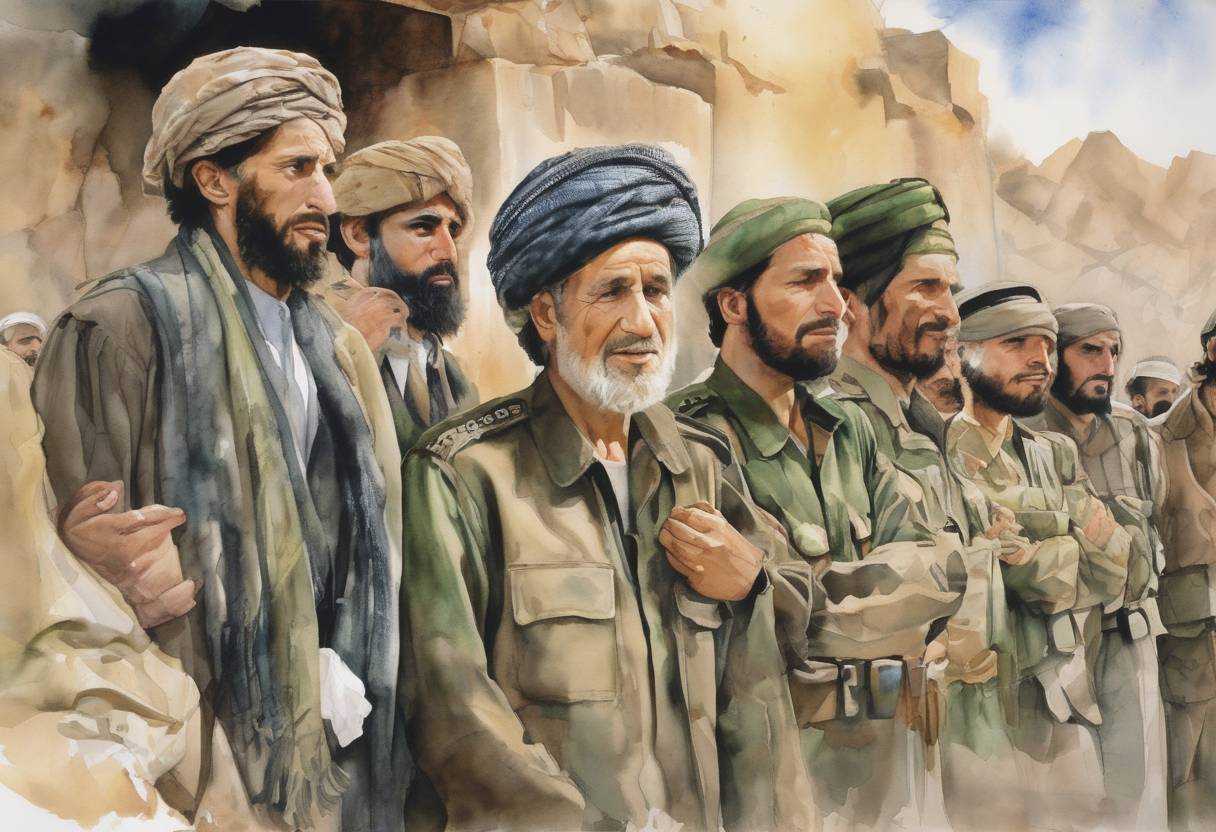
On September 9, 2001, two days before the infamous September 11 attacks in the United States, Ahmed Shah Massoud, a prominent Afghan military leader and the head of the Northern Alliance, was assassinated. This event had profound implications for Afghanistan and the broader geopolitical landscape.
Ahmed Shah Massoud, often referred to as the “Lion of Panjshir,” was a key figure in Afghanistan’s resistance against Soviet occupation during the 1980s and later against the Taliban regime. As the leader of the Northern Alliance, Massoud was a central figure in the opposition to the Taliban, which had taken control of most of Afghanistan by the late 1990s.
Massoud was killed by two al-Qaeda operatives who posed as journalists. They approached him under the guise of conducting an interview, carrying a bomb concealed in their camera equipment. The assassination took place in Khwaja Bahauddin, in the Takhar Province of northeastern Afghanistan. The explosion killed Massoud and one of the attackers instantly, while the other died shortly after being captured.
Ahmed Shah Massoud remains a revered figure in Afghanistan, celebrated for his resistance against both Soviet and Taliban forces. His assassination underscored the complex interplay of regional and international forces in Afghanistan and highlighted the intricate connections between local conflicts and global terrorism.
Massoud’s legacy continues to influence Afghan politics and the ongoing struggle for peace and stability in the region. His life and death are a testament to the enduring challenges faced by Afghanistan in its pursuit of sovereignty and peace.
Source: en.wikipedia.org