1890 · Auvers-sur-Oise, France
Vincent van Gogh shot himself in a wheat field in Auvers-sur-Oise, France, succumbing to his injuries two days later. This marked a tragic point in the life of the influential post-impressionist painter.
December 23, 1888
Vincent van Gogh, in a fit of madness, cut off part of his left ear in Arles, France.
Arles, France | N/A
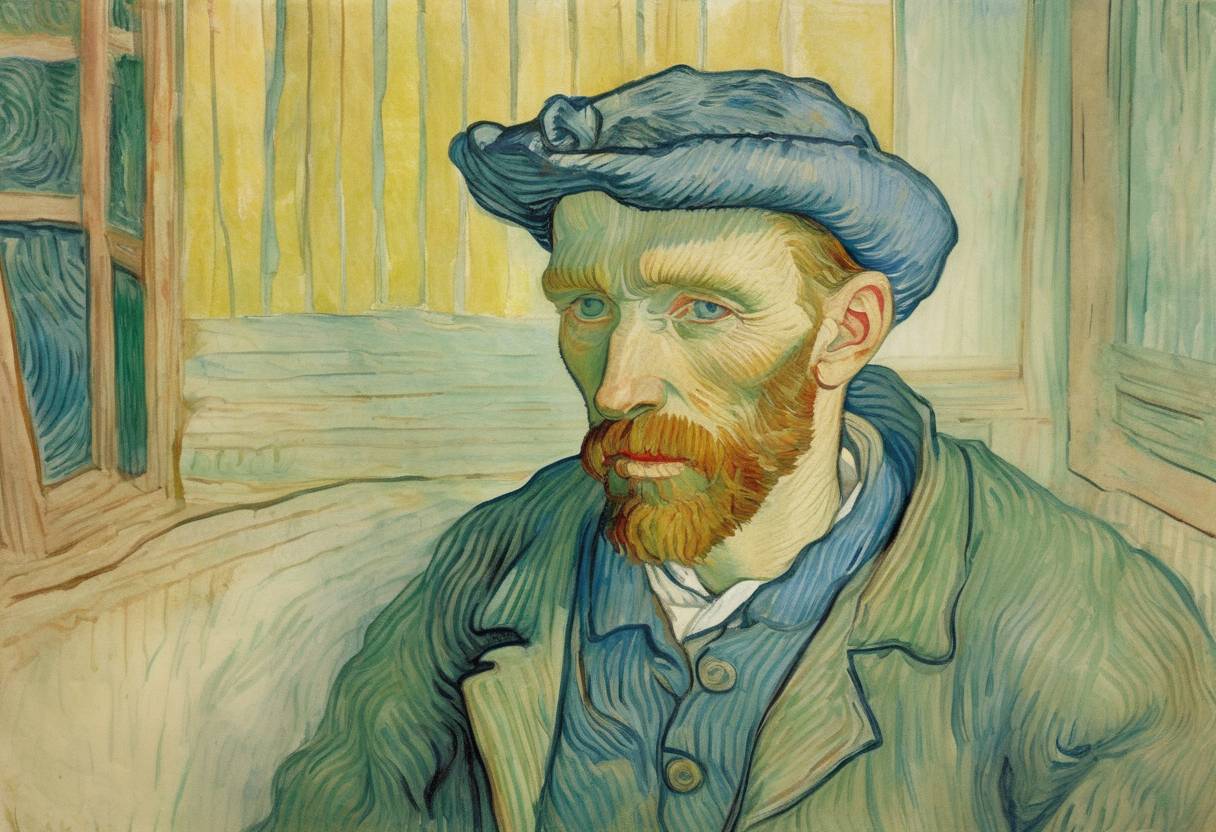
On December 23, 1888, the renowned Dutch painter Vincent van Gogh, in a moment of psychological turmoil, cut off part of his left ear. This incident took place in Arles, a town in the south of France, where van Gogh had moved in hopes of establishing an artists’ colony.
Move to Arles: Van Gogh moved to Arles in February 1888, seeking inspiration from the vibrant colors and light of the Provençal landscape. He was prolific during this period, producing some of his most famous works, including “Sunflowers” and “The Bedroom.”
Paul Gauguin’s Visit: In October 1888, fellow artist Paul Gauguin joined van Gogh in Arles. The two had a complex relationship, marked by both collaboration and conflict. Their differing artistic philosophies and temperaments often led to heated arguments.
Mental Health Struggles: Van Gogh’s mental health was precarious, with episodes of depression and psychosis. The stress of his relationship with Gauguin, combined with his existing mental health issues, likely contributed to his breakdown.
The Altercation: On December 23, following a particularly intense argument with Gauguin, van Gogh experienced a severe psychological crisis. In a fit of madness, he used a razor to cut off part of his left ear.
Aftermath: After injuring himself, van Gogh wrapped the severed ear in cloth and reportedly delivered it to a woman at a local brothel. He was later found unconscious and taken to a hospital in Arles.
Hospitalization: Van Gogh spent time in the hospital recovering from his physical injuries and mental breakdown. This incident marked the beginning of a series of hospitalizations for van Gogh, who continued to struggle with his mental health.
Artistic Impact: Despite his challenges, van Gogh’s time in Arles was one of his most productive periods. His work from this era is characterized by bold colors and emotive brushwork, influencing generations of artists.
Legacy: The ear incident has become one of the most infamous episodes in art history, symbolizing the link between creativity and mental illness. It highlights the personal struggles van Gogh faced and has contributed to the mythos surrounding his life and work.
Van Gogh’s life and art continue to captivate audiences worldwide, with his paintings celebrated for their emotional depth and innovative use of color. His tragic story underscores the complexities of mental health and its impact on creative expression.
Source: www.vangoghmuseum.nl