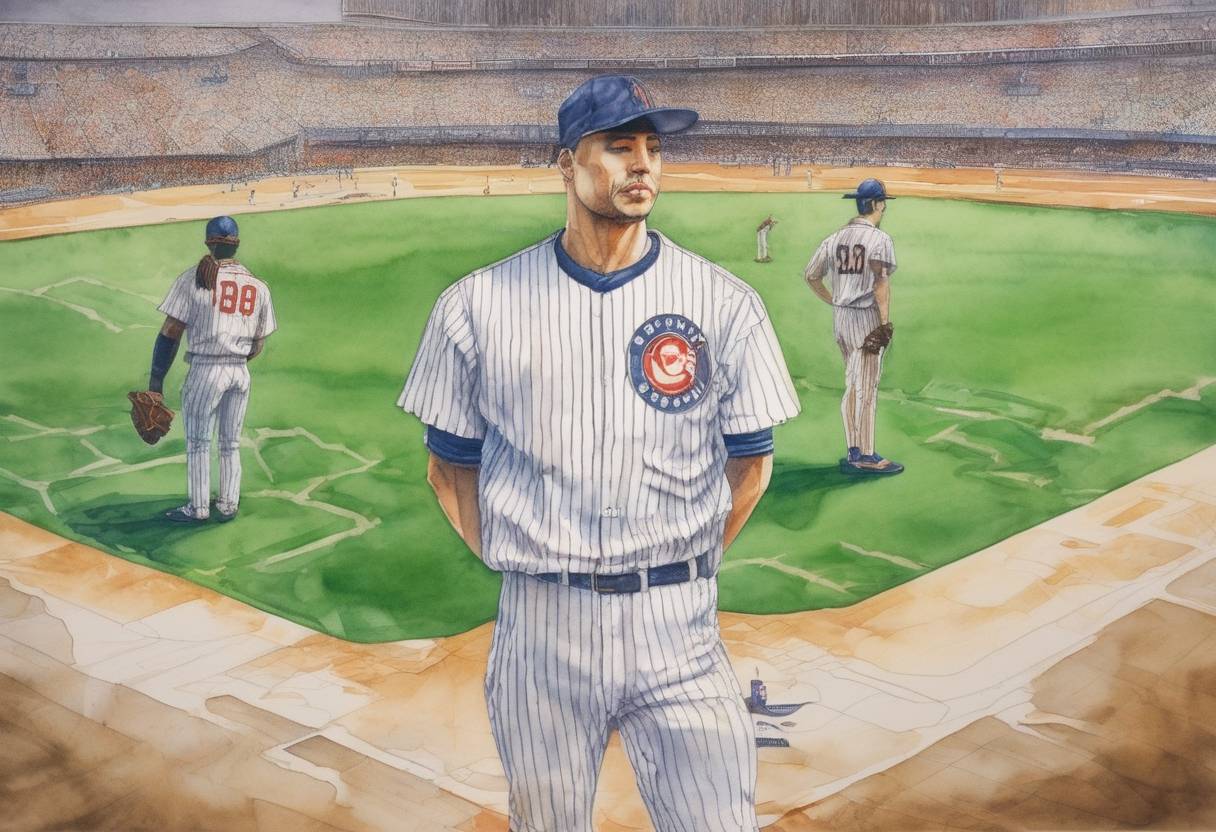
The 1994 Major League Baseball Strike and Cancellation of the World Series
On September 14, 1994, Major League Baseball (MLB) made the unprecedented decision to cancel the remainder of the season, including the World Series, due to an ongoing players’ strike. This marked the first time since 1904 that the World Series was not played, ending a 90-year streak.
Background
The strike began on August 12, 1994, and was primarily driven by a labor dispute between the MLB team owners and the Major League Baseball Players Association (MLBPA). The central issues included:
- Salary Cap: Owners proposed implementing a salary cap to control escalating player salaries, which the players staunchly opposed.
- Revenue Sharing: There was a push for increased revenue sharing among teams to promote competitive balance, which was also contentious.
- Free Agency and Arbitration: Disagreements over the rules governing free agency and salary arbitration further fueled tensions.
Key Events Leading to the Cancellation
- Failed Negotiations: Despite ongoing negotiations, the two sides were unable to reach an agreement. The players were particularly resistant to the salary cap, viewing it as a threat to their earning potential.
- Economic Impact: The strike led to significant financial losses for both players and owners, with an estimated $580 million in lost revenue.
- Fan Discontent: The strike and subsequent cancellation of the World Series led to widespread disappointment and anger among fans, damaging the sport’s reputation.
Consequences and Aftermath
- Long-term Impact on MLB: The cancellation had lasting effects on MLB, including a decline in attendance and television ratings in the following seasons. It took years for the league to recover fully.
- Labor Relations: The strike highlighted the need for better labor relations and eventually led to changes in how MLB and the MLBPA negotiated future agreements.
- 1995 Season: The strike officially ended on April 2, 1995, after a federal judge issued an injunction against the owners. The 1995 season began late, with a shortened 144-game schedule.
Broader Historical Significance
The 1994 MLB strike was a pivotal moment in professional sports labor history. It underscored the complexities of balancing economic interests between players and owners and highlighted the potential consequences of labor disputes in professional sports. The event remains a significant case study in sports management and labor relations.
Overall, the cancellation of the 1994 World Series was a watershed moment that reshaped the landscape of Major League Baseball and had a profound impact on its stakeholders.