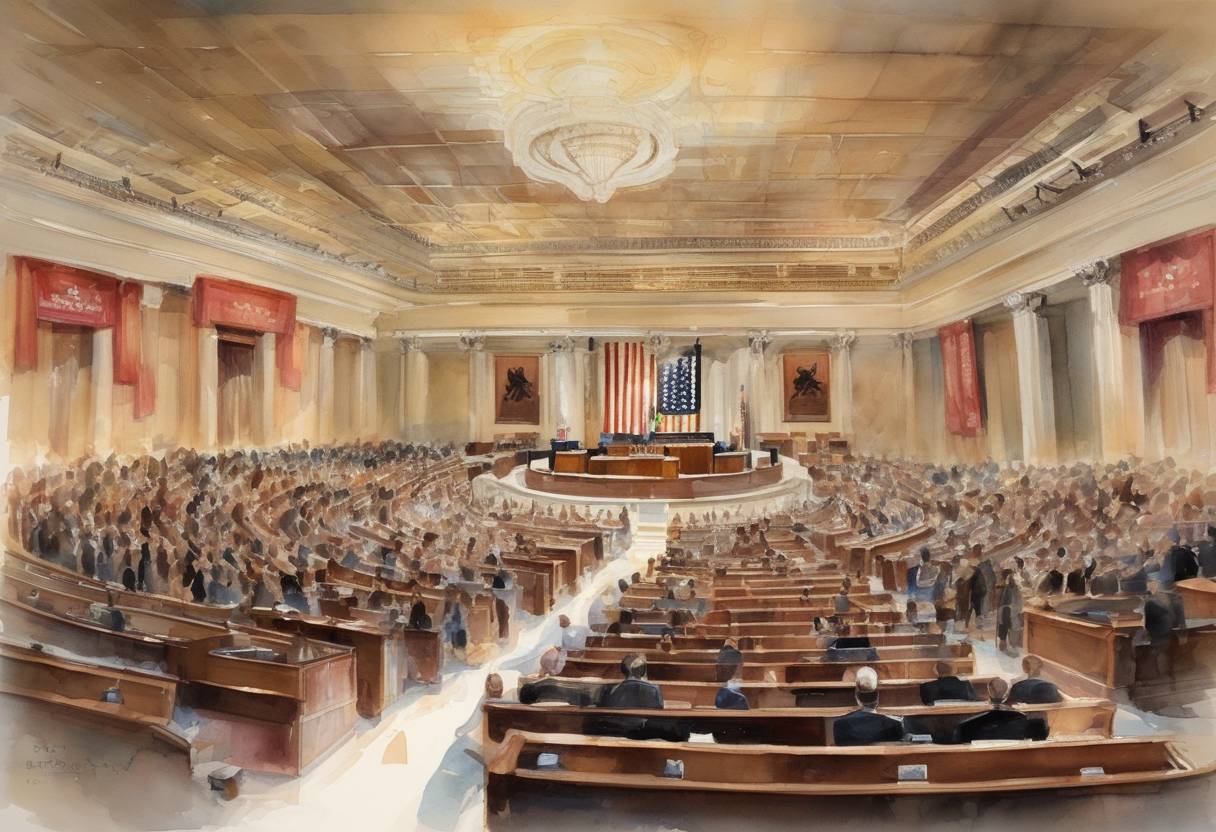
Recognition of the 60th Anniversary of the People’s Republic of China by the U.S. House of Representatives
On September 18, 2009, the United States House of Representatives passed a resolution recognizing the 60th anniversary of the founding of the People’s Republic of China (PRC). This resolution was part of a broader diplomatic effort to acknowledge the significant milestone in China’s history and to reflect on the complex and evolving relationship between the United States and China.
Historical Context
Founding of the PRC: The People’s Republic of China was officially established on October 1, 1949, following the victory of the Communist Party of China (CPC) in the Chinese Civil War. Mao Zedong proclaimed the founding of the PRC from Tiananmen Square in Beijing, marking the end of decades of internal strife and foreign intervention.
U.S.-China Relations: The relationship between the United States and China has been multifaceted, involving periods of tension and cooperation. After the founding of the PRC, the U.S. initially did not recognize the communist government, instead maintaining diplomatic relations with the Republic of China (Taiwan). It wasn’t until 1979, under President Jimmy Carter, that the U.S. formally recognized the PRC and established diplomatic relations.
The Resolution
Purpose: The resolution passed by the House of Representatives in 2009 was symbolic, serving to acknowledge the PRC’s 60th anniversary and to highlight the importance of U.S.-China relations. It was a gesture of diplomatic recognition and an opportunity to reflect on the progress and challenges in bilateral ties.
Significance: This resolution underscored the importance of engaging with China on various fronts, including economic, political, and cultural exchanges. It also highlighted the need for cooperation on global issues such as climate change, security, and trade.
Broader Implications
Diplomatic Engagement: The passage of the resolution was part of ongoing efforts to maintain a constructive dialogue with China. It reflected the recognition of China’s growing influence on the global stage and the necessity for the U.S. to engage with China as a major global power.
Economic Ties: By 2009, China had become a significant economic partner for the United States, with extensive trade relations and investment flows. The resolution acknowledged the importance of these economic ties and the mutual benefits derived from them.
Challenges and Opportunities: While the resolution celebrated the anniversary, it also served as a reminder of the challenges in U.S.-China relations, including issues related to human rights, trade imbalances, and regional security concerns.
In summary, the resolution passed by the U.S. House of Representatives on September 18, 2009, was a diplomatic gesture recognizing the 60th anniversary of the People’s Republic of China. It highlighted the importance of U.S.-China relations and the need for continued engagement and cooperation between the two nations.