Joseph Welch Confronts Senator Joseph McCarthy: A Turning Point in the Red Scare
1954 · Washington D.C., United States
Joseph Welch confronts Senator Joseph McCarthy during the Army-McCarthy hearings, marking a turning point in the Red Scare.
July 28, 2017
The United States Senate rejects a proposal to repeal the Affordable Care Act, commonly known as Obamacare, with a dramatic vote that ends with a tie-breaking vote cast by Vice President Mike Pence.
Washington D.C., United States | United States Senate
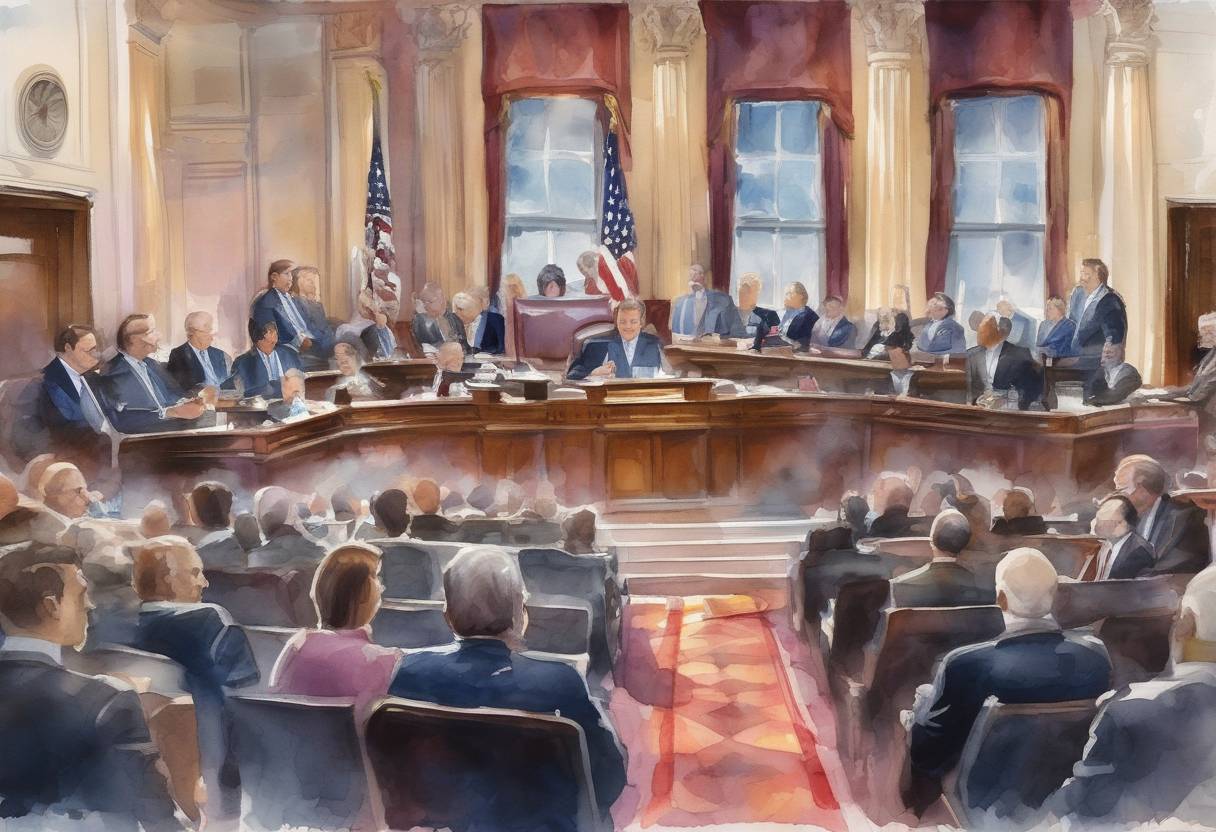
On July 28, 2017, the United States Senate held a dramatic vote on a proposal to repeal the Affordable Care Act (ACA), commonly known as Obamacare. This event was a pivotal moment in the ongoing debate over healthcare reform in the United States.
The Affordable Care Act, enacted in 2010, aimed to expand healthcare coverage, reduce costs, and improve the healthcare delivery system. Since its inception, the ACA faced significant opposition from the Republican Party, which viewed it as an overreach of government power and sought to repeal or replace it.
In 2017, with Republicans controlling both houses of Congress and the presidency, efforts to dismantle the ACA intensified. The Senate’s vote on July 28 was part of a broader legislative push to repeal key components of the ACA.
The proposal under consideration was a “skinny repeal,” which aimed to eliminate certain provisions of the ACA, such as the individual mandate requiring Americans to have health insurance or face a penalty. The vote was highly anticipated and closely watched, as it represented a critical juncture in the healthcare debate.
The failure to repeal the ACA was a significant setback for the Republican Party and the Trump administration, which had prioritized healthcare reform. The vote underscored the complexities and challenges of altering a major piece of legislation that affected millions of Americans.
The July 28 vote was a defining moment in the ongoing healthcare debate in the United States. It highlighted the deep divisions within the Republican Party and the complexities of healthcare reform. The event also reinforced the importance of individual senators’ roles in shaping national policy and the enduring impact of the ACA on American society.
In conclusion, the Senate’s rejection of the repeal proposal on July 28, 2017, was a critical moment in U.S. legislative history, reflecting the contentious nature of healthcare reform and the intricate dynamics of American politics.
Source: www.nytimes.com