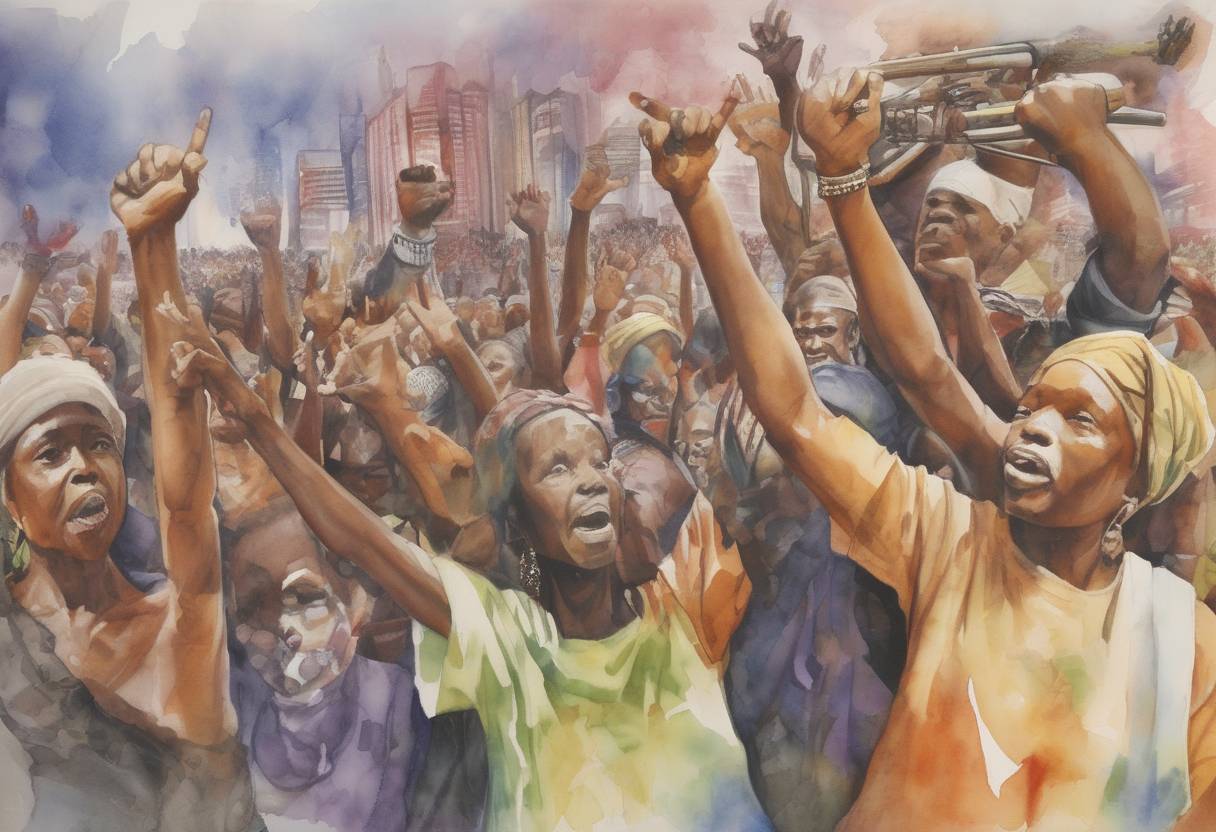
Live 8 Concerts - July 2, 2005
On July 2, 2005, a series of benefit concerts known as Live 8 were held in various cities around the world. These concerts were organized with the primary aim of raising awareness about poverty in Africa and exerting pressure on the leaders of the Group of Eight (G8) nations to take action towards alleviating this issue. The events were timed to coincide with the G8 summit scheduled to take place in Gleneagles, Scotland, from July 6 to July 8, 2005.
Background
Live 8 was conceived by Bob Geldof and Midge Ure, who were also behind the original Live Aid concerts in 1985. The 2005 concerts were part of the broader “Make Poverty History” campaign, which sought to address issues such as debt relief, trade justice, and increased aid for developing countries, particularly in Africa.
Key Events
The Live 8 concerts were held in ten cities across the globe, including:
London, UK: Held in Hyde Park, this concert featured performances by artists such as U2, Coldplay, Elton John, Madonna, and Paul McCartney. The London event was one of the largest and most high-profile of the series.
Philadelphia, USA: Hosted on the Benjamin Franklin Parkway, this concert included performances by artists like Will Smith, Bon Jovi, Stevie Wonder, and Destiny’s Child.
Paris, France: The concert took place at the Palais de Versailles, featuring acts like Shakira, Jamiroquai, and Andrea Bocelli.
Berlin, Germany: Held at the Brandenburg Gate, performers included Green Day, Roxy Music, and Audioslave.
Rome, Italy: The Circus Maximus hosted artists such as Duran Duran and Faith Hill.
Other cities that participated included Barrie (Canada), Tokyo (Japan), Johannesburg (South Africa), Moscow (Russia), and Edinburgh (Scotland), which hosted a final concert on July 6, 2005, as the G8 summit began.
Impact and Aftermath
The Live 8 concerts were broadcast to an estimated 2 billion people worldwide, significantly raising awareness about the issues of poverty and debt in Africa. The events were successful in mobilizing public opinion and putting pressure on G8 leaders. At the Gleneagles summit, the G8 leaders agreed to double aid to Africa by 2010, cancel the debt of the world’s poorest countries, and provide universal access to HIV/AIDS treatment.
While the concerts were praised for their scale and ambition, they also faced criticism. Some argued that the focus on celebrity and entertainment overshadowed the complex issues at hand. Others noted that the promises made by G8 leaders were not fully realized in subsequent years.
Broader Significance
Live 8 highlighted the power of music and celebrity to draw attention to global issues and influence political agendas. It also underscored the ongoing challenges in addressing poverty and inequality, prompting continued advocacy and action in the years that followed.
Overall, Live 8 remains a significant example of how cultural events can intersect with political activism to drive awareness and change.