Fox Film Buys Movietone Sound System Patents - July 23, 1926
1926 · New York City, United States
Fox Film buys the patents of the Movietone sound system for recording sound onto film.
March 14, 1931
The first theater built specifically for rear-projection movies opens in New York City.
New York City, United States | Fox Film Corporation
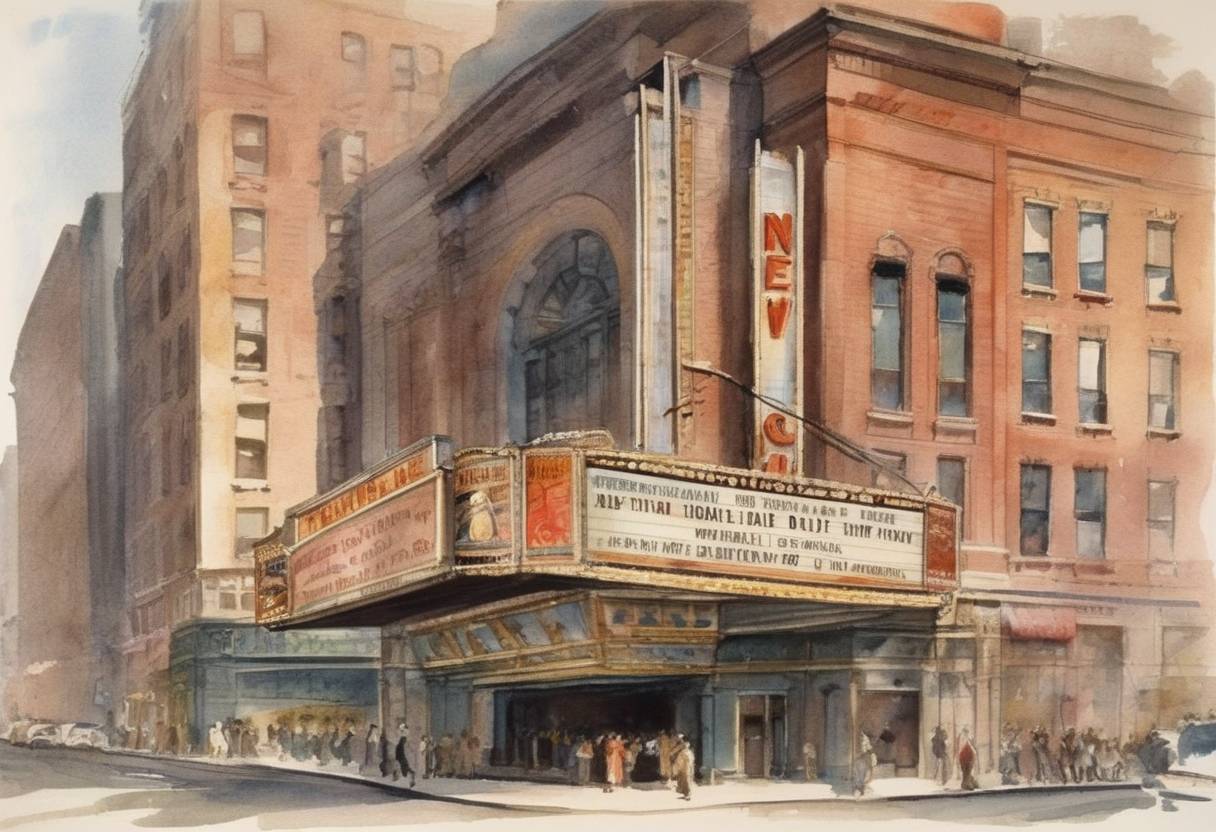
On March 14, 1931, a significant milestone in cinematic history was achieved with the opening of the first theater specifically designed for rear-projection movies in New York City. This innovative approach to film projection marked a departure from traditional front-projection methods and showcased the evolving technology in the film industry during the early 20th century.
The early 1930s were a transformative period for cinema, characterized by rapid technological advancements and experimentation. The introduction of sound in films, known as “talkies,” had already revolutionized the industry in the late 1920s. As filmmakers and theater owners sought new ways to enhance the movie-going experience, rear-projection technology emerged as a novel solution.
Rear-projection involves projecting images from behind a translucent screen, as opposed to the conventional method of projecting from the front. This technique offered several advantages:
The theater that opened on March 14, 1931, was a pioneering venue, specifically constructed to leverage the benefits of rear-projection technology. Located in New York City, a hub of cultural and technological innovation, the theater attracted attention from both the public and industry professionals.
The opening of this theater represented a forward-thinking approach to cinema exhibition, highlighting the industry’s commitment to improving the quality and accessibility of film entertainment. It also underscored New York City’s role as a leader in adopting and promoting new technologies.
While rear-projection technology did not become the standard for all theaters, it paved the way for further innovations in film projection and exhibition. The concept of optimizing the viewing experience through technological advancements continued to influence theater design and operation.
The establishment of the first rear-projection theater is a testament to the dynamic nature of the film industry and its continuous evolution. It reflects the broader trends of the era, where technological progress was rapidly reshaping entertainment and media.
In summary, the opening of the first theater built specifically for rear-projection movies on March 14, 1931, in New York City, was a landmark event that contributed to the ongoing transformation of the cinematic experience, showcasing the potential of new technologies to enhance audience engagement.
Source: en.wikipedia.org