The Beheading of James Foley by ISIS on August 19, 2014
2014 · Raqqa, Syria
The Islamic State of Iraq and Syria (ISIS) released a video showing the beheading of American journalist James Foley, sparking international outrage and condemnation.
October 28, 2019
The Islamic State confirmed the death of its leader Abu Bakr al-Baghdadi and announced Abu Ibrahim al-Hashimi al-Qurashi as his successor.
Barisha, Syria | Islamic State
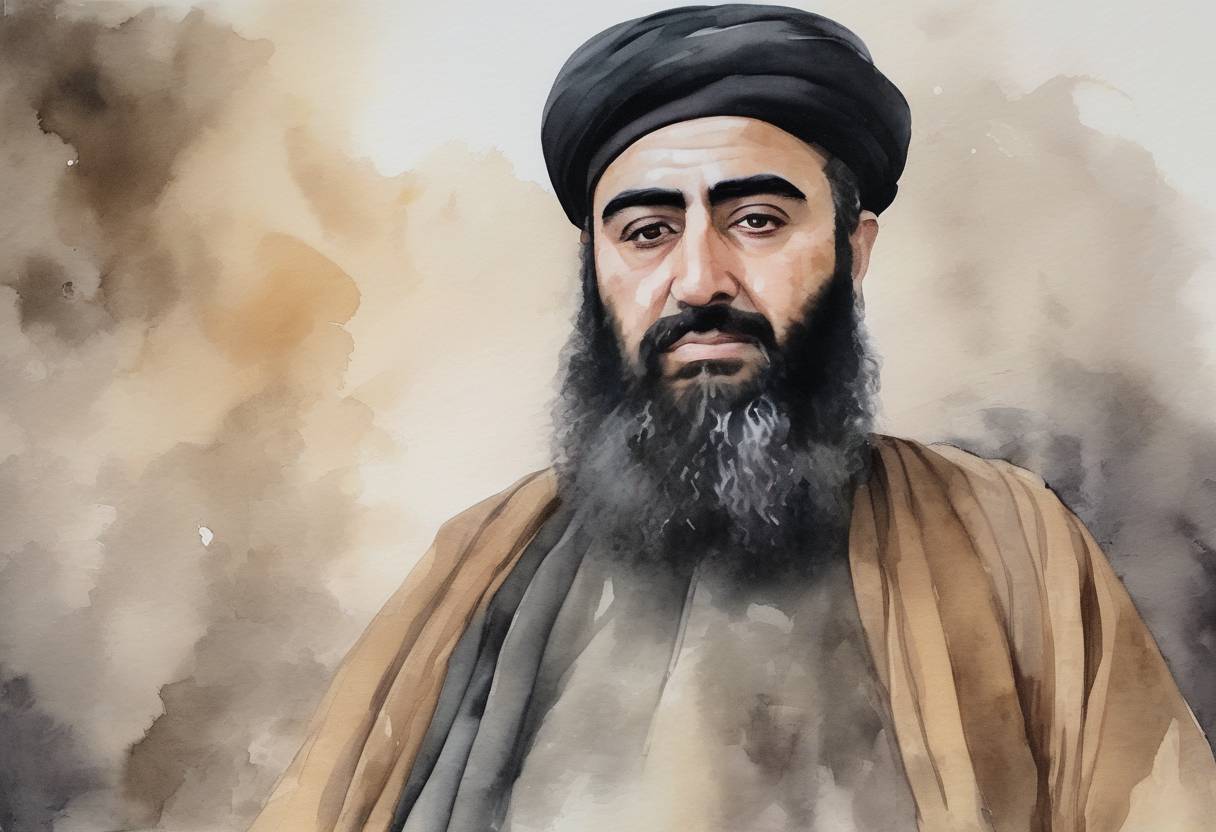
On October 28, 2019, the Islamic State (IS) confirmed the death of its leader, Abu Bakr al-Baghdadi, and announced Abu Ibrahim al-Hashimi al-Qurashi as his successor. This event marked a significant moment in the ongoing conflict against IS and the broader fight against terrorism.
Abu Bakr al-Baghdadi, born Ibrahim Awwad Ibrahim al-Badri, was the leader of the Islamic State of Iraq and Syria (ISIS), a jihadist militant group that gained international notoriety for its brutal tactics and the establishment of a self-declared caliphate in parts of Iraq and Syria. Baghdadi’s leadership saw the group rise to prominence, capturing large territories and committing widespread atrocities.
In the years leading up to his death, IS faced significant territorial losses due to military campaigns by a coalition of international forces, including the United States, Iraq, and Kurdish groups. By 2019, IS had lost most of its territorial holdings, and Baghdadi was in hiding.
On October 26, 2019, U.S. President Donald Trump announced that Baghdadi had been killed during a U.S. military operation in Idlib Province, Syria. The operation involved U.S. Special Forces and was aimed at capturing or killing the IS leader. According to reports, Baghdadi detonated a suicide vest, killing himself and two children, as U.S. forces closed in on his location.
Two days after Baghdadi’s death, on October 28, 2019, the Islamic State confirmed his death through its media outlet, Amaq News Agency. In the same announcement, IS named Abu Ibrahim al-Hashimi al-Qurashi as the new leader of the group. Little was initially known about al-Qurashi, whose real name was Amir Mohammed Abdul Rahman al-Mawli al-Salbi. He was believed to be a senior figure within IS and a veteran of the group’s operations.
The death of Baghdadi was a symbolic blow to IS, but it did not mark the end of the group. IS continued to operate as an insurgency, carrying out attacks in the Middle East and inspiring affiliates worldwide. The appointment of al-Qurashi signaled IS’s intent to maintain its organizational structure and continue its activities despite the loss of its caliphate.
The event underscored the challenges of combating extremist groups that can adapt and persist even after losing key leaders. It also highlighted the ongoing threat posed by IS and similar organizations, necessitating continued vigilance and international cooperation.
In summary, the confirmation of Baghdadi’s death and the announcement of his successor were pivotal moments in the fight against IS, reflecting both a victory in counterterrorism efforts and the enduring nature of the threat posed by extremist ideologies.
Source: www.bbc.com