The Sarbanes-Oxley Act of 2002
2002 · Washington, D.C., United States
The Sarbanes-Oxley Act, aimed at improving corporate governance and accountability, is signed into law by U.S. President George W. Bush.
October 3, 2008
The Emergency Economic Stabilization Act of 2008 was signed into law by U.S. President George W. Bush, authorizing the U.S. Treasury to spend up to $700 billion to purchase distressed assets, especially mortgage-backed securities, and supply cash directly to banks.
Washington, D.C., United States | U.S. Government
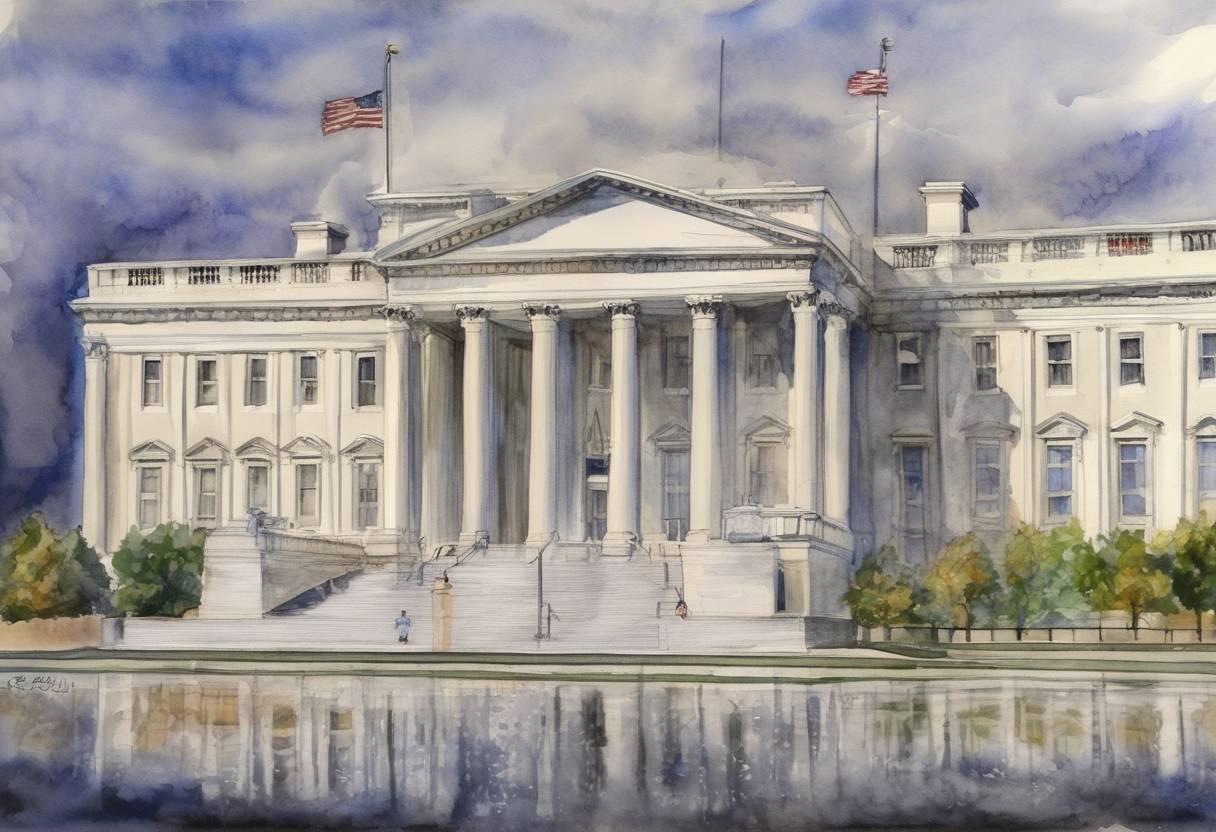
On October 3, 2008, U.S. President George W. Bush signed into law the Emergency Economic Stabilization Act of 2008. This landmark legislation was a pivotal response to the financial crisis that had been unfolding, marked by the collapse of major financial institutions and severe disruptions in global credit markets.
The financial crisis of 2007-2008 was precipitated by the bursting of the housing bubble in the United States. This led to a dramatic increase in mortgage delinquencies and foreclosures, significantly impacting mortgage-backed securities held by financial institutions. The crisis reached a critical point in September 2008 with the bankruptcy of Lehman Brothers, a major investment bank, which sent shockwaves through the global financial system.
The Emergency Economic Stabilization Act of 2008, often referred to as the “bailout bill,” authorized the U.S. Treasury to:
The Act faced significant debate and controversy in Congress. Initially, a version of the bill was rejected by the House of Representatives on September 29, 2008, causing a significant drop in stock markets. However, after modifications and intense lobbying, a revised version passed the Senate on October 1 and the House on October 3, leading to its enactment.
The passage of the Emergency Economic Stabilization Act was a critical step in stabilizing the financial system. It helped restore confidence in the banking sector and was part of broader efforts, including monetary policy interventions by the Federal Reserve, to mitigate the crisis’s impact.
The Emergency Economic Stabilization Act of 2008 remains a significant event in U.S. economic history, illustrating the complexities and challenges of managing a financial crisis.
Source: www.congress.gov