The Launch of 'The New-York Daily Times'
1853 · New York City, United States
The first installment of 'The New York Times' was published, originally titled 'The New-York Daily Times'.
November 3, 1838
The Times of India, the world's largest circulated English language daily broadsheet newspaper, is founded as The Bombay Times and Journal of Commerce.
Mumbai, India | The Times Group
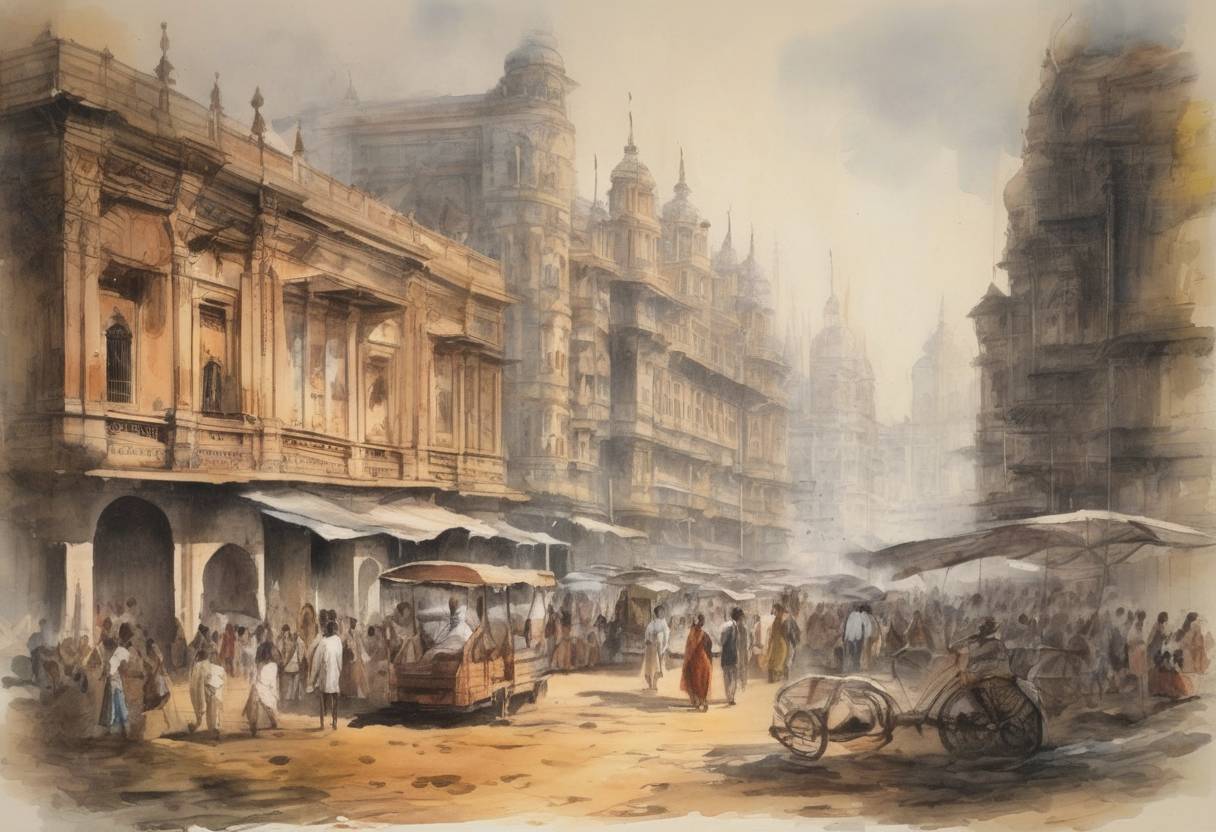
On November 3, 1838, The Bombay Times and Journal of Commerce was founded in Bombay (now Mumbai), marking the inception of what would become one of the world’s largest circulated English language daily broadsheet newspapers, known today as The Times of India.
During the early 19th century, Bombay was a burgeoning hub of trade and commerce under British colonial rule. The city was rapidly developing as a center for business and industry, attracting a diverse population, including British expatriates, Indian merchants, and other international traders. This cosmopolitan environment created a demand for a publication that could cater to the English-speaking populace, providing news and information relevant to their interests.
Over the years, The Bombay Times underwent several transformations:
The founding of The Bombay Times and Journal of Commerce laid the groundwork for a publication that has become a cornerstone of Indian journalism. Its evolution reflects the dynamic changes in Indian society and media over nearly two centuries. The Times of India remains a vital platform for news, debate, and discussion, maintaining its status as a key player in the global media landscape.
In summary, the establishment of The Bombay Times and Journal of Commerce on November 3, 1838, was a significant milestone in the history of Indian journalism, marking the beginning of a legacy that continues to influence and inform millions of readers worldwide.
Source: en.wikipedia.org