The Supreme Court Declares Segregated Buses Illegal: November 13, 1956
1956 · Washington D.C., United States
The Supreme Court of the United States declares Alabama laws requiring segregated buses illegal, ending the Montgomery Bus Boycott.
June 15, 2020
The Supreme Court of the United States ruled in Bostock v. Clayton County that Title VII of the Civil Rights Act of 1964 protects employees against discrimination because of their sexual orientation or gender identity.
Washington D.C., United States | Supreme Court of the United States
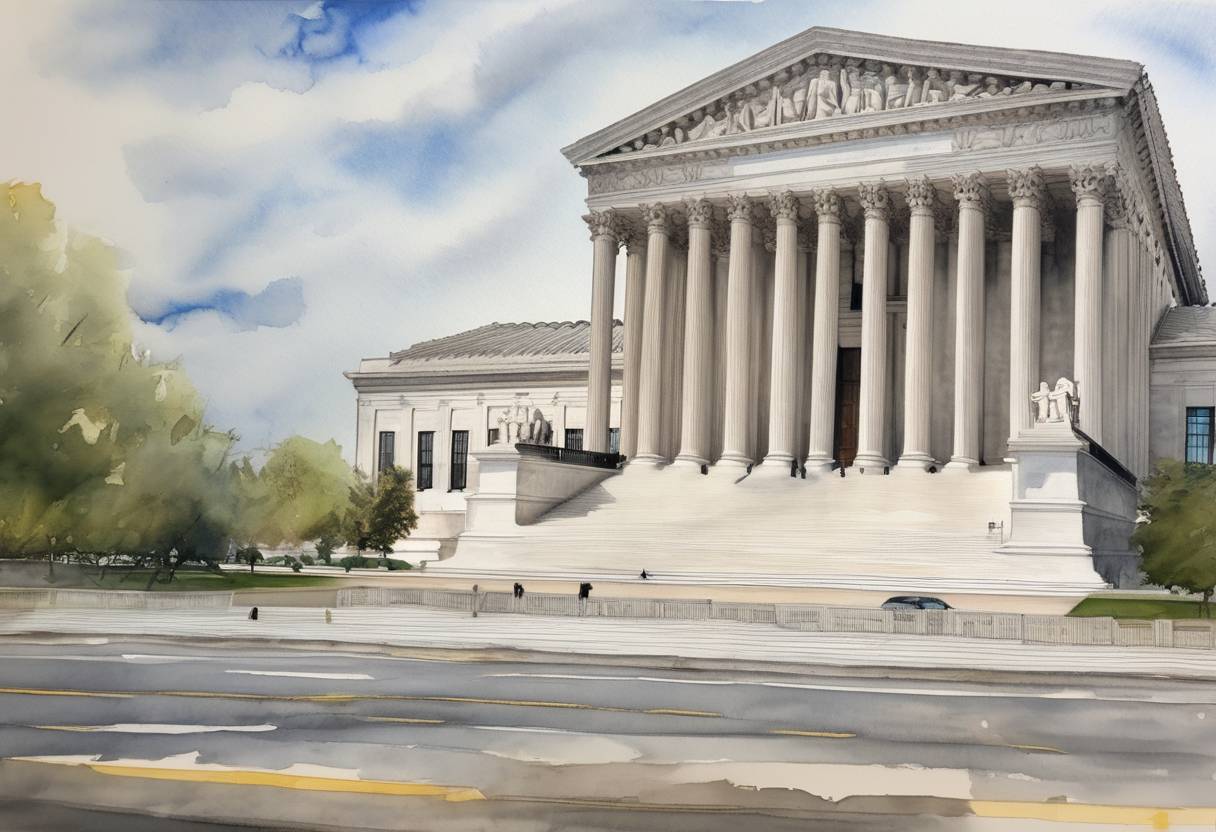
On June 15, 2020, the Supreme Court of the United States delivered a landmark decision in the case of Bostock v. Clayton County, significantly impacting employment discrimination law in the United States. The ruling clarified that Title VII of the Civil Rights Act of 1964, which prohibits employment discrimination “because of sex,” extends to cover discrimination based on sexual orientation and gender identity.
The case consolidated three separate lawsuits from employees who claimed they were fired due to their sexual orientation or gender identity:
These cases raised the question of whether Title VII’s prohibition of discrimination “because of sex” included sexual orientation and gender identity.
In a 6-3 decision, the Supreme Court ruled that Title VII does indeed protect employees from discrimination based on sexual orientation and gender identity. The majority opinion was authored by Justice Neil Gorsuch, who was joined by Chief Justice John Roberts and the four liberal justices.
Textual Interpretation: Justice Gorsuch emphasized a textualist approach, stating that the plain language of Title VII prohibits discrimination “because of sex.” He argued that it is impossible to discriminate against a person for being homosexual or transgender without discriminating against that individual based on sex.
Precedent and Logic: The opinion drew on previous cases, such as Price Waterhouse v. Hopkins (1989), which recognized that gender stereotyping is a form of sex discrimination. The Court reasoned that firing someone for being gay or transgender inherently involves considerations of sex.
The dissenting justices, led by Justice Samuel Alito and joined by Justice Clarence Thomas, argued that the majority was effectively rewriting the law, a task that should be left to Congress. Justice Brett Kavanaugh also dissented separately, acknowledging the significance of the decision but maintaining that the interpretation of Title VII should not extend to sexual orientation and gender identity without legislative action.
The decision in Bostock v. Clayton County marked a significant victory for LGBTQ+ rights in the United States, extending federal employment protections to millions of workers. It underscored the evolving interpretation of civil rights laws and set a precedent for future cases involving discrimination based on sexual orientation and gender identity.
The ruling was celebrated by civil rights advocates and marked a pivotal moment in the ongoing struggle for LGBTQ+ equality, reinforcing the principle that discrimination in the workplace should not be tolerated in any form.
Source: www.supremecourt.gov