Richard Nixon Elected as the 37th President of the United States
1968 · Washington, D.C., United States
Richard Nixon was elected as the 37th President of the United States, defeating incumbent Vice President Hubert Humphrey.
November 8, 1960
John F. Kennedy was elected as the 35th President of the United States, defeating Vice President Richard Nixon.
Washington, D.C., United States | United States government
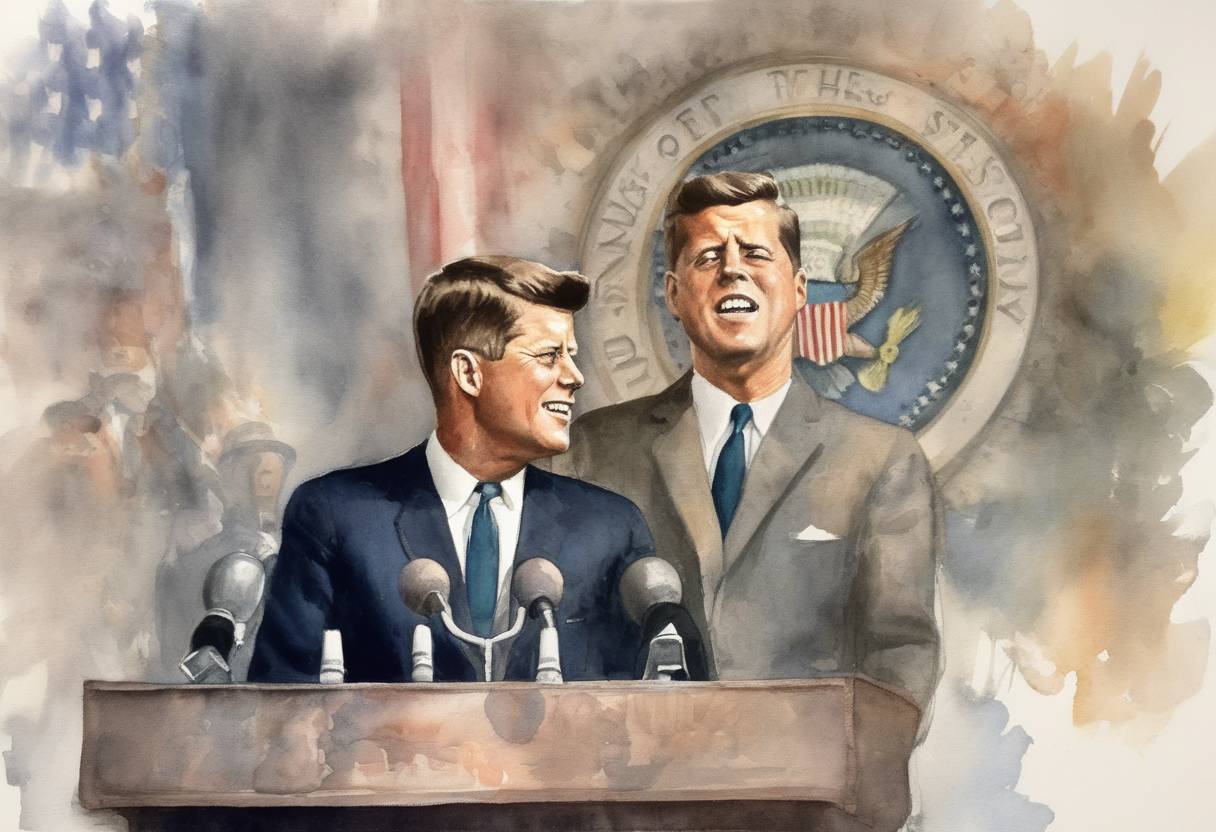
On November 8, 1960, John F. Kennedy was elected as the 35th President of the United States, defeating the incumbent Vice President Richard Nixon in one of the closest presidential elections in American history.
Candidates: The Democratic candidate, John F. Kennedy, was a young senator from Massachusetts. His campaign was marked by a call for new leadership and a focus on revitalizing the nation. The Republican candidate, Richard Nixon, had served as Vice President under Dwight D. Eisenhower and was known for his experience in government and foreign policy.
Televised Debates: The 1960 election was notable for the first-ever televised presidential debates. Kennedy’s charismatic and confident performance contrasted with Nixon’s more reserved demeanor, significantly influencing public perception and boosting Kennedy’s appeal.
Civil Rights and the Cold War: Key issues during the campaign included civil rights, the economy, and the Cold War. Kennedy’s stance on civil rights and his promise to address economic disparities resonated with many voters, while both candidates emphasized their commitment to countering Soviet influence.
Voting: The election took place on November 8, 1960. It was a hard-fought campaign with both candidates traveling extensively across the country to garner support.
Outcome: Kennedy won the election with a narrow margin. He secured 303 electoral votes to Nixon’s 219, while the popular vote was extremely close, with Kennedy receiving approximately 49.7% to Nixon’s 49.5%.
Significance: Kennedy’s victory made him the youngest elected president at the age of 43 and the first Roman Catholic to hold the office. His election was seen as a generational shift in American politics, symbolizing a move towards a more modern and dynamic leadership style.
Inauguration: Kennedy was inaugurated on January 20, 1961. His inaugural address famously included the call to action: “Ask not what your country can do for you—ask what you can do for your country.”
Presidency: Kennedy’s presidency, though tragically cut short by his assassination in 1963, was marked by significant events such as the Cuban Missile Crisis, the establishment of the Peace Corps, and the early stages of the Civil Rights Movement.
Legacy: Kennedy’s election and subsequent presidency left a lasting impact on American politics and culture, often remembered for its idealism and the sense of possibility it inspired in the nation.
The 1960 election remains a pivotal moment in U.S. history, illustrating the power of media in politics and the importance of addressing the evolving needs and concerns of the American populace.
Source: www.jfklibrary.org