The Opening of the Panama Canal: August 15, 1914
1914 · Panama City, Panama
The Panama Canal officially opened to traffic with the transit of the cargo ship SS Ancon.
November 9, 1906
Theodore Roosevelt became the first sitting U.S. president to make an official trip outside the continental United States, visiting Panama to inspect the construction of the Panama Canal.
Panama City, Panama | United States Government
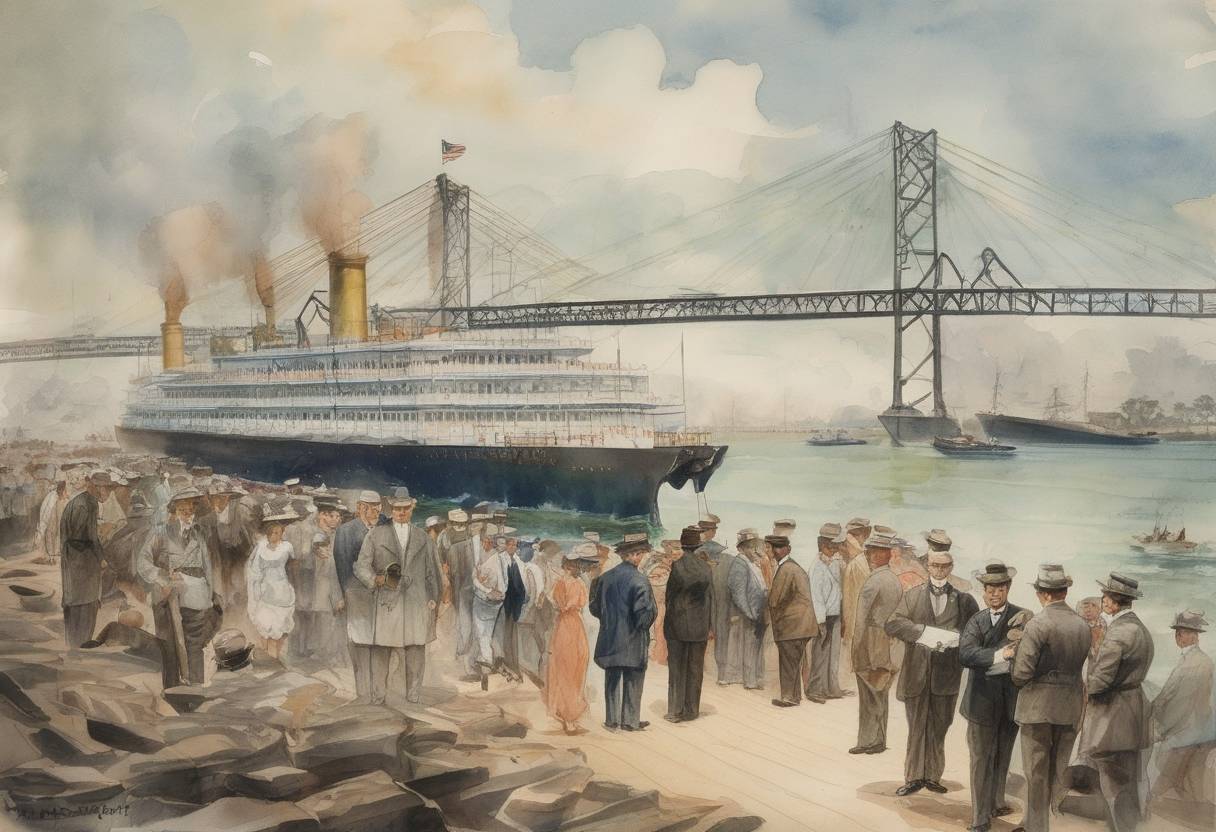
On November 9, 1906, President Theodore Roosevelt made history by becoming the first sitting U.S. president to travel outside the continental United States. His destination was Panama, where he went to inspect the construction of the Panama Canal, a monumental engineering project that was crucial to U.S. strategic and economic interests.
Panama Canal Project: The idea of a canal across the Isthmus of Panama dates back to the early 16th century. However, it wasn’t until the late 19th and early 20th centuries that serious efforts were made to construct it. Initially attempted by the French under Ferdinand de Lesseps, the project was fraught with difficulties, including engineering challenges and high mortality rates due to disease.
U.S. Involvement: After the French effort failed, the United States took over the project in 1904 following the Hay-Bunau-Varilla Treaty, which granted the U.S. rights to build and control the canal zone. The canal was seen as vital for reducing maritime travel time between the Atlantic and Pacific Oceans, enhancing both military and commercial shipping capabilities.
Purpose: Roosevelt’s visit was intended to demonstrate his commitment to the canal project and to boost morale among the workers. It was also a strategic move to underscore U.S. interests in the region and to ensure the project’s progress under American supervision.
Inspection: During his visit, Roosevelt toured the construction sites, met with engineers, and addressed workers. He was famously photographed sitting on a steam shovel, symbolizing his hands-on approach and the industrial might of the United States.
Presidential Precedent: Roosevelt’s trip set a precedent for future presidents to engage in international diplomacy and inspection trips, reflecting the growing global role of the United States.
Boost to the Project: The visit helped to galvanize support for the canal project, which was completed in 1914. It also highlighted the importance of addressing health issues, such as malaria and yellow fever, which were rampant in the region.
Legacy: The successful completion of the Panama Canal stands as one of the greatest engineering feats of the 20th century and remains a vital conduit for international maritime trade. Roosevelt’s proactive involvement is often credited with ensuring its success.
In summary, Theodore Roosevelt’s visit to Panama on November 9, 1906, was a pivotal moment in U.S. history, marking the nation’s expanding influence and commitment to global infrastructure projects. It underscored Roosevelt’s dynamic leadership style and his vision for America’s role on the world stage.
Source: en.wikipedia.org