Syrian Civil War Death Toll Surpasses 191,000 - August 26, 2014
2014 · Damascus, Syria
The United Nations reported that the death toll from the Syrian Civil War had surpassed 191,000 people, highlighting the severe humanitarian crisis in the region.
March 17, 2004
Unrest in Kosovo escalated into widespread violence between ethnic Albanians and Serbs, resulting in numerous deaths and injuries. This marked one of the worst outbreaks of violence in the region since the end of the Kosovo War in 1999.
Kosovo, Serbia and Montenegro (now Kosovo) | United Nations
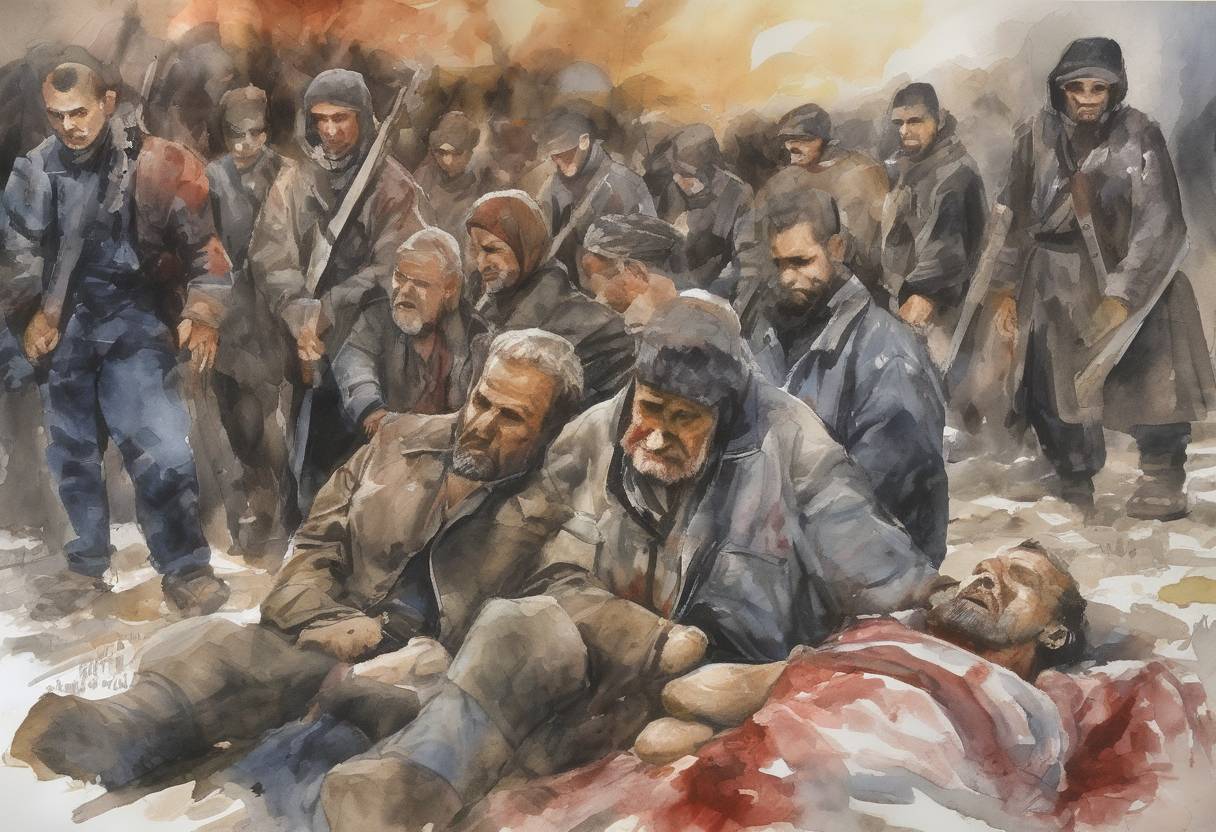
On March 17, 2004, Kosovo experienced a severe outbreak of ethnic violence, marking one of the most significant escalations since the end of the Kosovo War in 1999. This unrest primarily involved clashes between ethnic Albanians and Serbs, resulting in numerous deaths, injuries, and widespread destruction.
Kosovo, a region in the Balkans, has long been a site of ethnic tension, primarily between the majority ethnic Albanians and the minority Serb population. The Kosovo War (1998-1999) ended with NATO intervention and the establishment of a United Nations administration, but underlying ethnic tensions persisted.
The immediate trigger for the violence on March 17, 2004, was the drowning of three Albanian children in the Ibar River near the town of Mitrovica. Ethnic Albanians accused Serbs of chasing the children into the river, a claim that was never substantiated. This incident inflamed existing tensions and led to widespread unrest.
Spread of Unrest: The violence quickly spread across Kosovo, affecting numerous towns and cities. Mitrovica, a city already divided along ethnic lines, became a focal point of the clashes.
Casualties and Damage: Over the course of two days, at least 19 people were killed, and more than 900 were injured. The violence also resulted in the displacement of thousands of people and the destruction of homes, churches, and cultural sites, particularly those belonging to the Serb community.
International Response: The international community, including the United Nations and NATO, condemned the violence. KFOR, the NATO-led peacekeeping force in Kosovo, was deployed to restore order, but the rapid escalation highlighted the fragility of peace in the region.
Impact on Ethnic Relations: The violence deepened the divide between ethnic Albanians and Serbs, complicating efforts towards reconciliation and coexistence.
Political Repercussions: The events of March 2004 underscored the challenges facing Kosovo’s provisional institutions and the international community in maintaining stability and fostering a multi-ethnic society.
Long-term Effects: The unrest highlighted the need for continued international presence and engagement in Kosovo to prevent future violence and support the region’s path towards stability and eventual resolution of its status.
The March 2004 unrest in Kosovo serves as a reminder of the enduring ethnic tensions in the Balkans and the complexities involved in post-conflict reconstruction and reconciliation. It also emphasizes the importance of addressing underlying grievances and fostering dialogue between divided communities to achieve lasting peace.
This event remains a critical point of reference in understanding the challenges of peacekeeping and conflict resolution in ethnically diverse regions.
Source: www.bbc.com