Cyprus Independence Agreement - February 19, 1959
1959 · London, United Kingdom
The United Kingdom granted Cyprus independence, ending British colonial rule.
August 16, 1960
Cyprus gained independence from the United Kingdom, with Archbishop Makarios III becoming the first President of Cyprus.
Nicosia, Cyprus | Cypriot Government
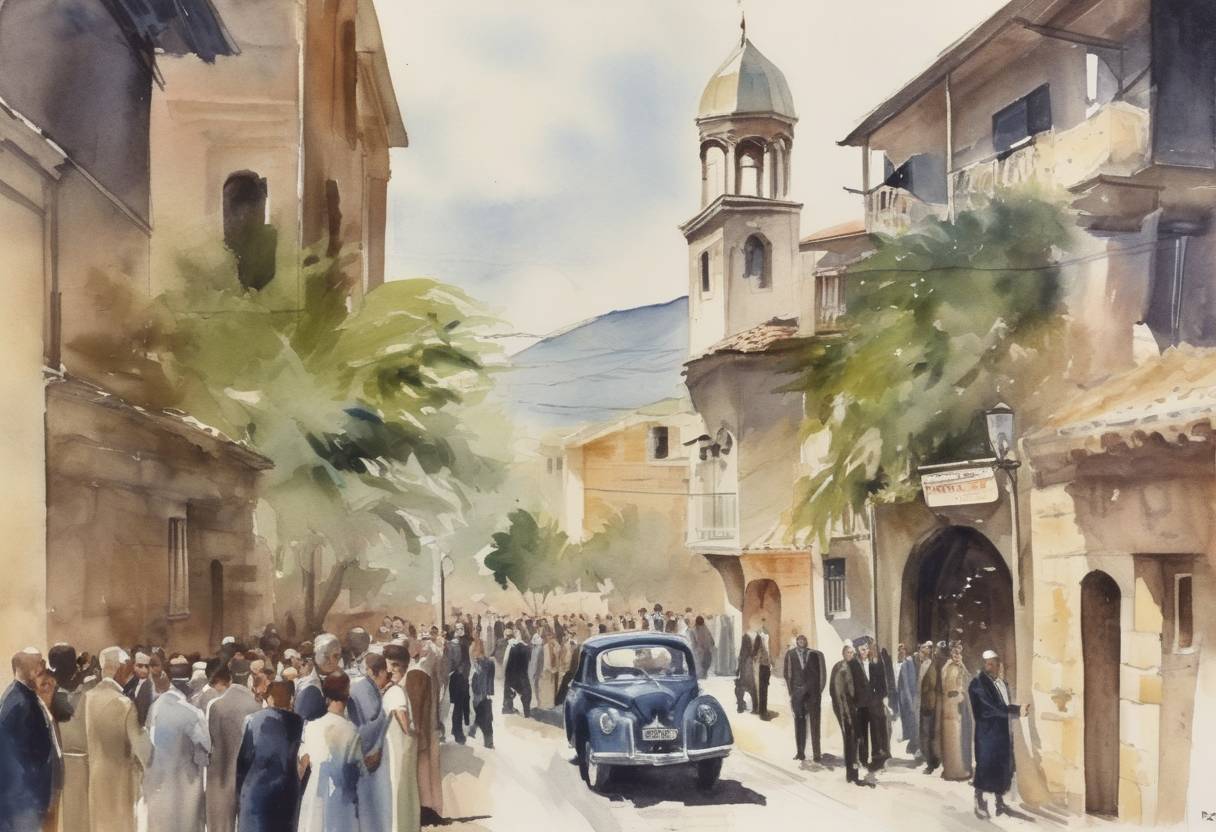
On August 16, 1960, Cyprus officially gained independence from the United Kingdom, marking the end of British colonial rule on the island. This significant event was the culmination of years of political struggle and negotiation, leading to the establishment of the Republic of Cyprus.
Cyprus, strategically located in the eastern Mediterranean, had been under British control since 1878. The island’s population was predominantly Greek Cypriot, with a significant Turkish Cypriot minority. Throughout the early 20th century, there was growing tension between these communities, exacerbated by the Greek Cypriots’ desire for Enosis (union with Greece) and the Turkish Cypriots’ preference for Taksim (partition of the island).
The post-World War II period saw increased demands for self-determination, leading to the formation of the National Organization of Cypriot Fighters (EOKA) in 1955. EOKA, led by General George Grivas, launched a guerrilla campaign against British rule, aiming for Enosis. The conflict resulted in significant violence and unrest on the island.
In response to the escalating conflict, the British government sought a diplomatic solution. Negotiations between the British, Greek, and Turkish governments, along with representatives from the Greek and Turkish Cypriot communities, eventually led to the Zurich and London Agreements in 1959. These agreements laid the groundwork for an independent Cyprus, establishing a power-sharing constitution that aimed to balance the interests of both Greek and Turkish Cypriots.
On August 16, 1960, Cyprus officially became an independent republic. Archbishop Makarios III, a prominent Greek Cypriot leader and advocate for independence, was elected as the first President of Cyprus. His presidency symbolized a new era for the island, as he sought to navigate the complex political landscape and maintain peace between the two communities.
The independence of Cyprus was a significant moment in the island’s history, but it did not resolve the underlying ethnic tensions. The power-sharing arrangement proved fragile, and intercommunal violence erupted in the years following independence. This unrest eventually led to the Turkish invasion of Cyprus in 1974, resulting in the division of the island that persists to this day.
The independence of Cyprus is a pivotal event in the broader context of decolonization during the mid-20th century. It highlights the challenges of creating a unified national identity in a region marked by ethnic diversity and historical grievances.
Cyprus’s journey to independence and its subsequent struggles underscore the complexities of post-colonial state-building and the enduring impact of colonial legacies on contemporary geopolitics.
Source: en.wikipedia.org