Direct-Dial Coast-to-Coast Telephone Service Begins in the United States
1951 · Englewood, United States
Direct-dial coast-to-coast telephone service began in the United States.
February 16, 1968
In Haleyville, Alabama, the first 9-1-1 emergency telephone system goes into service.
Haleyville, United States | American Telephone and Telegraph Company
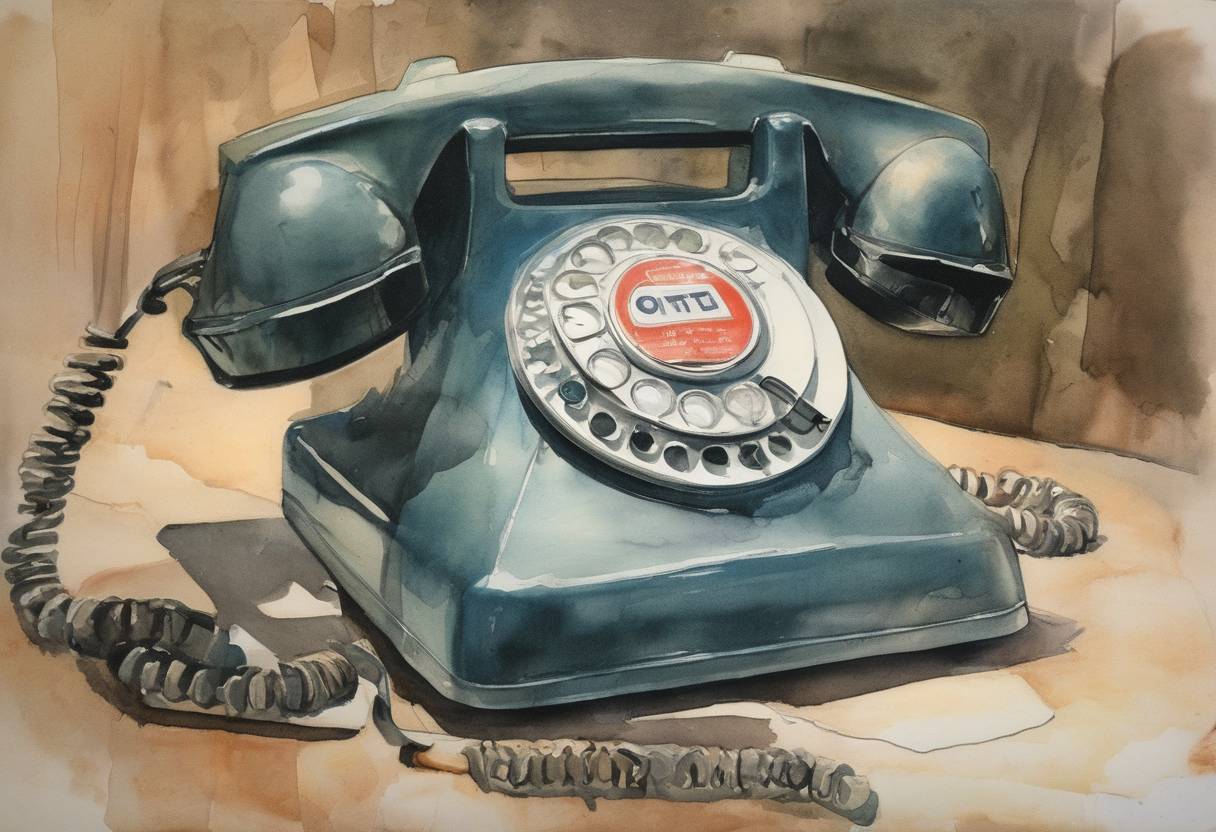
On February 16, 1968, a significant milestone in public safety and emergency response was achieved in the small town of Haleyville, Alabama. On this date, the first-ever 9-1-1 emergency telephone system was implemented, marking the beginning of a new era in emergency services across the United States.
Before the introduction of the 9-1-1 system, there was no standardized method for the public to contact emergency services. People had to dial local police or fire department numbers, which varied from one community to another, leading to confusion and delays in emergency response.
The concept of a universal emergency number was first proposed by the National Association of Fire Chiefs in 1957. The idea gained traction over the following decade, as the need for a quick and easy way to reach emergency services became increasingly apparent.
The choice of Haleyville, Alabama, as the site for the first 9-1-1 call was largely due to the efforts of Bob Gallagher, the president of the Alabama Telephone Company (ATC), and the cooperation of local officials. The ATC worked in collaboration with the Federal Communications Commission (FCC) and AT&T to establish the system.
On the historic day, Alabama Speaker of the House Rankin Fite made the first 9-1-1 call from the Haleyville City Hall. The call was answered by U.S. Representative Tom Bevill at the local police station. This successful demonstration proved the viability of the 9-1-1 system and set the stage for its nationwide adoption.
The introduction of the 9-1-1 system in Haleyville was a pivotal moment in the history of emergency services. It provided a simple, easy-to-remember number that could be dialed in any emergency, significantly improving response times and coordination among emergency responders.
Following the success in Haleyville, the 9-1-1 system quickly gained popularity and was gradually implemented across the United States. By the end of the 20th century, 9-1-1 had become the standard emergency number in the U.S., with similar systems being adopted in other countries around the world.
The establishment of the 9-1-1 system revolutionized emergency response, saving countless lives by reducing the time it takes to reach help. It also laid the groundwork for modern emergency communication systems, including enhanced 9-1-1 services that provide dispatchers with the caller’s location and other critical information.
The success of the 9-1-1 system in Haleyville is a testament to the power of innovation and collaboration in addressing public safety challenges. Today, the legacy of that first call continues to be felt, as 9-1-1 remains an essential component of emergency response infrastructure worldwide.
Source: en.wikipedia.org